
South Korean stocks slide as DeepSeek model stokes memory chip demand fears

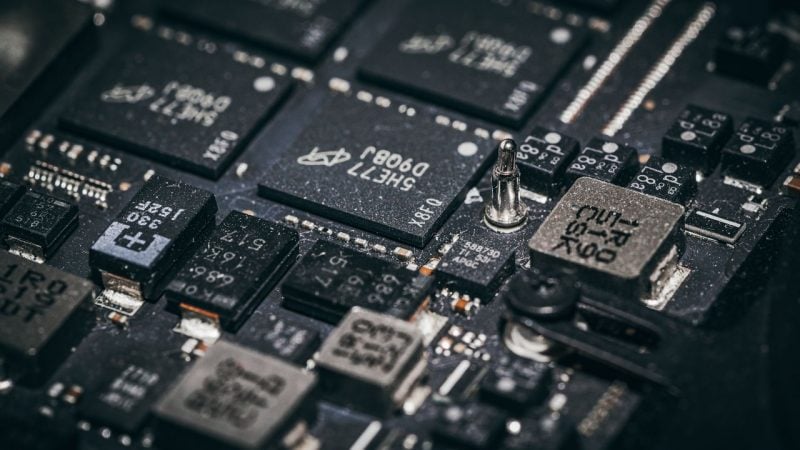
Photo: Jakub Pabis / Pexels

South Korean stocks slide as DeepSeek model stokes memory chip demand fears

Samsung and SK Hynix took the hit after DeepSeek claimed its new model needs far less high-bandwidth memory

South Korean stocks fell as investors worried about two things: demand for memory chips, and how much longer the money for AI keeps flowing.

The biggest casualties were the country’s chip giants, Samsung Electronics and SK Hynix. The trigger came from a Chinese AI lab that says it can do more with less.

A model that eats less memory

The spark was DeepSeek’s V4.1-Flash model, released on September 10, 2026. Its pitch was efficiency, specifically in high-bandwidth memory, or HBM.

HBM is the premium memory stacked next to AI accelerators so they can be fed data fast. Samsung and SK Hynix together dominate global supply.

DeepSeek claims V4.1-Flash needs only a quarter of the HBM its predecessors required during inference. That is the stage where a trained model answers user requests. It also claims the model needs one-eighth of the SSD storage.

Advertisement

The technical headline is roughly 890 bytes per token for the model’s global KV cache. A KV cache is the working memory a model holds while it generates a response.

DeepSeek credits techniques including CSA2 compression and FP4 quantization. Quantization stores numbers with fewer bits, trading a little precision for a lot of space.

How the market reacted

On or around September 11, 2026, Samsung shares fell about 3.5%. SK Hynix slipped about 2.2%.

By mid-October 2026, the selling had broadened considerably. The KOSPI, South Korea’s benchmark index, fell over 7% intraday in mid-October. That pushed it to a six-month low around 5,554.

Samsung and SK Hynix dropped roughly 9-11% during that stretch.

DeepSeek was not the only pressure point. Investors were also weighing competition from Chinese memory makers such as CXMT. On top of that sat broader doubts about whether AI capital spending can keep its pace amid tightening financial conditions and rising inflation.

The value case, and the risks

Analysts reported that the stocks were trading at depressed earnings multiples of roughly 2.6-3.1x, well below global peers.

KB Securities went further, describing the recent declines as an “asymmetric investment opportunity.”

The risks are not imaginary, though. If efficiency gains like DeepSeek’s spread across the industry, they could reshape pricing for memory products. Add aggressive competition from CXMT, and market share is not guaranteed either.

Macro conditions matter too. Tighter financing and rising inflation make it harder for companies to justify massive AI infrastructure budgets. Memory makers sit downstream of those budgets, so any slowdown reaches them quickly.

Disclosure: This article was edited by Diego Almada Lopez. For more information on how we create and review content, see our Editorial Policy.
South Korean stocks slide as DeepSeek model stokes memory chip demand fears

Samsung and SK Hynix took the hit after DeepSeek claimed its new model needs far less high-bandwidth memory

Photo: Jakub Pabis / Pexels

South Korean stocks fell as investors worried about two things: demand for memory chips, and how much longer the money for AI keeps flowing.

The biggest casualties were the country’s chip giants, Samsung Electronics and SK Hynix. The trigger came from a Chinese AI lab that says it can do more with less.

A model that eats less memory

The spark was DeepSeek’s V4.1-Flash model, released on September 10, 2026. Its pitch was efficiency, specifically in high-bandwidth memory, or HBM.

HBM is the premium memory stacked next to AI accelerators so they can be fed data fast. Samsung and SK Hynix together dominate global supply.

DeepSeek claims V4.1-Flash needs only a quarter of the HBM its predecessors required during inference. That is the stage where a trained model answers user requests. It also claims the model needs one-eighth of the SSD storage.

Advertisement

The technical headline is roughly 890 bytes per token for the model’s global KV cache. A KV cache is the working memory a model holds while it generates a response.

DeepSeek credits techniques including CSA2 compression and FP4 quantization. Quantization stores numbers with fewer bits, trading a little precision for a lot of space.

How the market reacted

On or around September 11, 2026, Samsung shares fell about 3.5%. SK Hynix slipped about 2.2%.

By mid-October 2026, the selling had broadened considerably. The KOSPI, South Korea’s benchmark index, fell over 7% intraday in mid-October. That pushed it to a six-month low around 5,554.

Samsung and SK Hynix dropped roughly 9-11% during that stretch.

DeepSeek was not the only pressure point. Investors were also weighing competition from Chinese memory makers such as CXMT. On top of that sat broader doubts about whether AI capital spending can keep its pace amid tightening financial conditions and rising inflation.

The value case, and the risks

Analysts reported that the stocks were trading at depressed earnings multiples of roughly 2.6-3.1x, well below global peers.

KB Securities went further, describing the recent declines as an “asymmetric investment opportunity.”

The risks are not imaginary, though. If efficiency gains like DeepSeek’s spread across the industry, they could reshape pricing for memory products. Add aggressive competition from CXMT, and market share is not guaranteed either.

Macro conditions matter too. Tighter financing and rising inflation make it harder for companies to justify massive AI infrastructure budgets. Memory makers sit downstream of those budgets, so any slowdown reaches them quickly.

Disclosure: This article was edited by Diego Almada Lopez. For more information on how we create and review content, see our Editorial Policy.