
SpaceXAI plans to switch on about 420,000 Nvidia GPUs in November

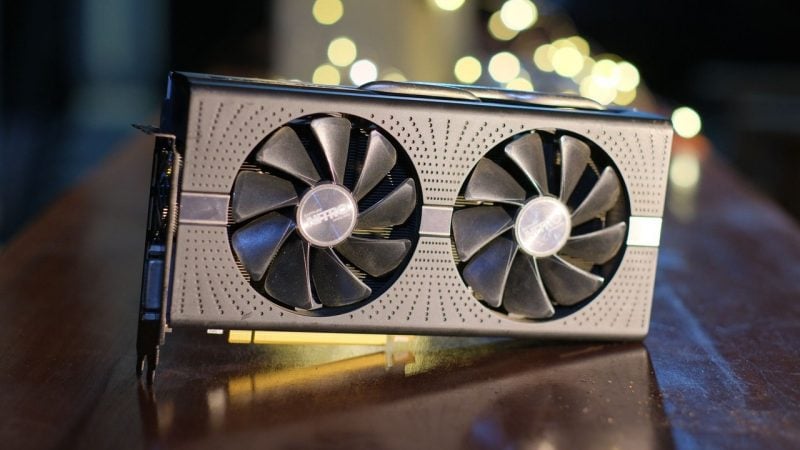
Photo: KyoRa Kee / Pexels

SpaceXAI plans to switch on about 420,000 Nvidia GPUs in November

The Musk-led AI effort is racing to meet new compute commitments as its Memphis Colossus cluster heads toward roughly 1.44 million chips

SpaceXAI plans to activate about 420,000 Nvidia GPUs in November, all aimed at meeting fresh compute commitments.

The November ramp is part of a broader push at Colossus, the supercomputer cluster in Memphis, Tennessee, that powers Elon Musk’s AI ambitions. It also arrives as the company starts renting out some of that horsepower to Anthropic, a direct rival in the model race.

What is actually inside Colossus

On September 25, 2026, Musk laid out the current hardware breakdown across the two Colossus sites.

Colossus 1 runs a blend of three Nvidia generations: 150,000 H100 chips, 50,000 H200 chips and 30,000 GB200 chips. Add those up and you get 230,000 GPUs.

Colossus 2 is newer and much larger. It holds 110,000 GB200 chips and 440,000 GB300 chips, for 550,000 in total.

Combined, the two facilities house approximately 780,000 Nvidia GPUs.

Advertisement

The Colossus 2 figures reportedly reflect capacity limits tied to networking constraints.

The road to 1.44 million

Musk also announced plans to bring 660,000 additional GPUs online by year-end. If that happens, the total fleet would reach approximately 1.44 million.

The roughly 420,000 GPUs slated for November sit within that aggressive year-end timeline. Going from 780,000 to about 1.44 million in a single quarter would nearly double the cluster in a few months.

The hardware is meant to support training and inference for Grok, the company’s family of AI models, including Grok 4.7.

SpaceXAI is building a 1.2-gigawatt power plant to support the expanded cluster.

Renting compute to a rival

SpaceXAI has leased over 220,000 GPUs from Colossus 1 to Anthropic.

That arrangement could be worth up to $84.5 billion by 2029. That is a potential ceiling tied to future commitments, not cash already collected.

Colossus 1 holds 230,000 GPUs in total, so leasing over 220,000 of them means most of that first site’s capacity is now working on someone else’s models. That helps explain the urgency behind the November activation: the new commitments need fresh hardware.

The long game: 50 million H100 equivalents

Musk’s longer-term target is far bigger than anything currently in Memphis. The goal for 2030 is infrastructure equivalent to 50 million H100-class GPUs.

Musk has consistently stressed close partnerships with Nvidia.

What this means

A potential $84.5 billion leasing relationship with Anthropic suggests frontier labs are willing to sign enormous long-dated contracts to secure capacity.

The 1.2-gigawatt plant underlines that power has become as strategic as silicon.

The things to track from here are fairly concrete. Does the November activation land on schedule? Does the year-end fleet actually approach 1.44 million? Does the power plant come online in time to feed it all? And does the Anthropic arrangement grow toward its potential value, or stall short of it?

Disclosure: This article was edited by Diego Almada Lopez. For more information on how we create and review content, see our Editorial Policy.
SpaceXAI plans to switch on about 420,000 Nvidia GPUs in November

The Musk-led AI effort is racing to meet new compute commitments as its Memphis Colossus cluster heads toward roughly 1.44 million chips

Photo: KyoRa Kee / Pexels

SpaceXAI plans to activate about 420,000 Nvidia GPUs in November, all aimed at meeting fresh compute commitments.

The November ramp is part of a broader push at Colossus, the supercomputer cluster in Memphis, Tennessee, that powers Elon Musk’s AI ambitions. It also arrives as the company starts renting out some of that horsepower to Anthropic, a direct rival in the model race.

What is actually inside Colossus

On September 25, 2026, Musk laid out the current hardware breakdown across the two Colossus sites.

Colossus 1 runs a blend of three Nvidia generations: 150,000 H100 chips, 50,000 H200 chips and 30,000 GB200 chips. Add those up and you get 230,000 GPUs.

Colossus 2 is newer and much larger. It holds 110,000 GB200 chips and 440,000 GB300 chips, for 550,000 in total.

Combined, the two facilities house approximately 780,000 Nvidia GPUs.

Advertisement

The Colossus 2 figures reportedly reflect capacity limits tied to networking constraints.

The road to 1.44 million

Musk also announced plans to bring 660,000 additional GPUs online by year-end. If that happens, the total fleet would reach approximately 1.44 million.

The roughly 420,000 GPUs slated for November sit within that aggressive year-end timeline. Going from 780,000 to about 1.44 million in a single quarter would nearly double the cluster in a few months.

The hardware is meant to support training and inference for Grok, the company’s family of AI models, including Grok 4.7.

SpaceXAI is building a 1.2-gigawatt power plant to support the expanded cluster.

Renting compute to a rival

SpaceXAI has leased over 220,000 GPUs from Colossus 1 to Anthropic.

That arrangement could be worth up to $84.5 billion by 2029. That is a potential ceiling tied to future commitments, not cash already collected.

Colossus 1 holds 230,000 GPUs in total, so leasing over 220,000 of them means most of that first site’s capacity is now working on someone else’s models. That helps explain the urgency behind the November activation: the new commitments need fresh hardware.

The long game: 50 million H100 equivalents

Musk’s longer-term target is far bigger than anything currently in Memphis. The goal for 2030 is infrastructure equivalent to 50 million H100-class GPUs.

Musk has consistently stressed close partnerships with Nvidia.

What this means

A potential $84.5 billion leasing relationship with Anthropic suggests frontier labs are willing to sign enormous long-dated contracts to secure capacity.

The 1.2-gigawatt plant underlines that power has become as strategic as silicon.

The things to track from here are fairly concrete. Does the November activation land on schedule? Does the year-end fleet actually approach 1.44 million? Does the power plant come online in time to feed it all? And does the Anthropic arrangement grow toward its potential value, or stall short of it?

Disclosure: This article was edited by Diego Almada Lopez. For more information on how we create and review content, see our Editorial Policy.