
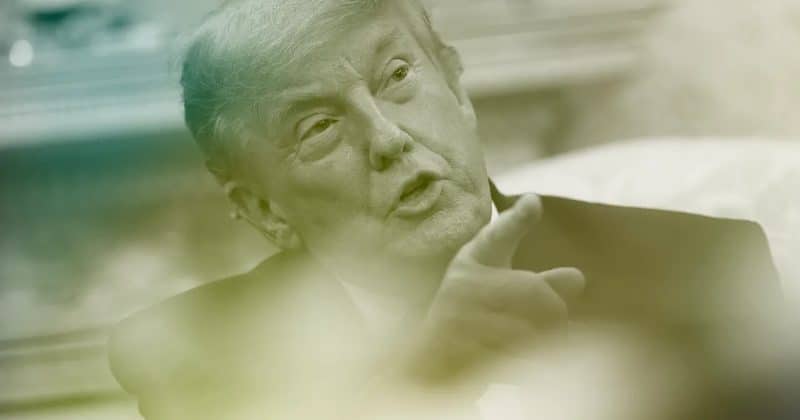
Trump offers US assistance to broker Ukraine settlement in 90-minute call with Putin

Trump offers US assistance to broker Ukraine settlement in 90-minute call with Putin

The Independence Day diplomatic push carries real implications for crypto markets shaped by sanctions, cross-border payments, and wartime digital asset seizures.

President Donald Trump spent 90 minutes on the phone with Russian President Vladimir Putin on July 4, offering US assistance to broker a settlement to the Ukraine war. On the same day, Trump also spoke with Ukrainian President Volodymyr Zelenskyy, signaling a two-track diplomatic offensive days before the NATO summit set for July 7-8 in Turkey.

US envoys Steve Witkoff and Jared Kushner were reportedly involved in the negotiations. The call also touched on issues related to Iran, broadening the scope of what was already a high-stakes conversation.

Advertisement

Why crypto should care about ceasefire talks

Ukraine has seized over $8.3 million in USDT during the conflict, illustrating how stablecoins have become instruments of both wartime finance and state enforcement. On the other side, Russia has been advancing regulatory measures to enable cross-border token transactions specifically designed to circumvent Western sanctions.

Analysts reported no immediate price reaction to the Trump-Putin call. No spike in Bitcoin. No movement in stablecoins.

The sanctions question looming over digital assets

Sanctions made SWIFT access unreliable, correspondent banking relationships toxic, and traditional trade finance nearly impossible for certain sectors. Crypto, particularly stablecoins and tokenized commodities, became a workaround.

Ukraine became an early leader in wartime crypto fundraising, accepting Bitcoin and Ethereum donations in the early days of the invasion. Its enforcement apparatus has since matured, as the $8.3 million USDT seizure demonstrates, turning blockchain forensics into a tool of national security.

What investors should actually watch

The NATO summit on July 7-8 is the next catalyst. Russia’s ongoing efforts to formalize tokenized transactions across borders is the specific policy area to monitor.

Disclosure: This article was edited by Editorial Team. For more information on how we create and review content, see our Editorial Policy.

Trump offers US assistance to broker Ukraine settlement in 90-minute call with Putin

Trump offers US assistance to broker Ukraine settlement in 90-minute call with Putin

The Independence Day diplomatic push carries real implications for crypto markets shaped by sanctions, cross-border payments, and wartime digital asset seizures.

President Donald Trump spent 90 minutes on the phone with Russian President Vladimir Putin on July 4, offering US assistance to broker a settlement to the Ukraine war. On the same day, Trump also spoke with Ukrainian President Volodymyr Zelenskyy, signaling a two-track diplomatic offensive days before the NATO summit set for July 7-8 in Turkey.

US envoys Steve Witkoff and Jared Kushner were reportedly involved in the negotiations. The call also touched on issues related to Iran, broadening the scope of what was already a high-stakes conversation.

Advertisement

Why crypto should care about ceasefire talks

Ukraine has seized over $8.3 million in USDT during the conflict, illustrating how stablecoins have become instruments of both wartime finance and state enforcement. On the other side, Russia has been advancing regulatory measures to enable cross-border token transactions specifically designed to circumvent Western sanctions.

Analysts reported no immediate price reaction to the Trump-Putin call. No spike in Bitcoin. No movement in stablecoins.

The sanctions question looming over digital assets

Sanctions made SWIFT access unreliable, correspondent banking relationships toxic, and traditional trade finance nearly impossible for certain sectors. Crypto, particularly stablecoins and tokenized commodities, became a workaround.

Ukraine became an early leader in wartime crypto fundraising, accepting Bitcoin and Ethereum donations in the early days of the invasion. Its enforcement apparatus has since matured, as the $8.3 million USDT seizure demonstrates, turning blockchain forensics into a tool of national security.

What investors should actually watch

The NATO summit on July 7-8 is the next catalyst. Russia’s ongoing efforts to formalize tokenized transactions across borders is the specific policy area to monitor.

Disclosure: This article was edited by Editorial Team. For more information on how we create and review content, see our Editorial Policy.