
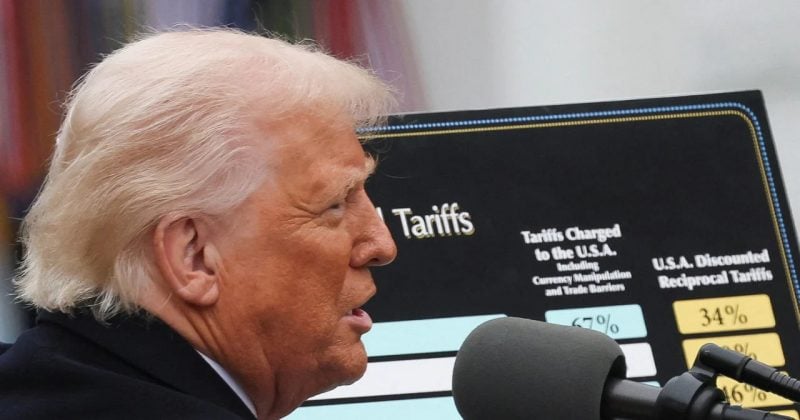
Trump tariffs likely to persist as more are anticipated, hitting crypto markets and miners
New levies on Canadian goods and imports from over 80 countries signal the administration's protectionist posture is far from finished
The Trump administration’s tariff campaign is not winding down. It is widening. New measures rolled out in late July 2026 suggest the White House has no intention of letting up on its protectionist trade agenda, and crypto markets are caught in the crossfire.
On July 20, 2026, President Trump imposed 50% tariffs on select Canadian imports under Section 338 of the Tariff Act of 1930. The targeted goods read like an odd grocery list: wine, hockey sticks, and cement. The tariffs are set to take effect after a 30-day window.
Two days later, a fresh round of tariffs between 10% and 12.5% kicked in on imports from over 80 countries, operating under Section 301 authority. These replaced a temporary global surcharge that had lapsed.
A legal detour, not a retreat
The Supreme Court complicated things earlier this year. In February 2026, the court struck down broader tariffs that the administration had justified under the International Emergency Economic Powers Act, or IEEPA.
The administration pivoted to Sections 301 and 232, alternative statutory authorities that give the executive branch significant room to impose tariffs on national security and unfair trade practice grounds.
The average effective U.S. tariff rate now sits at 12.1%, as of July 21, 2026. For context, that figure was closer to 2-3% for most of the post-WW2 era of American trade policy.
The news moving money, markets, and the world—before your day starts.
Daily. Free. Join 34,000+ readers across crypto, finance, and policy.
USTR Jamieson Greer has also initiated Section 301 investigations targeting manufacturing overcapacity and forced labor practices across multiple economies.
Why crypto investors should be paying attention
When tariff announcements land, Bitcoin and Ethereum have historically posted short-term declines, caught up in the broader risk-off sentiment that rattles equity and commodity markets simultaneously.
The more structurally damaging issue, though, is what these tariffs do to U.S. mining operations. ASIC hardware, the specialized computing equipment that powers Bitcoin mining, is largely manufactured abroad. Current tariffs on ASIC imports range from 19% to 57.6%, depending on origin.
Higher hardware costs compress mining margins. Compressed margins force smaller operators to reduce capacity or exit entirely, with consolidation of mining power among fewer, better-capitalized players as the logical downstream consequence.
Longer-term, Bitcoin’s narrative as an inflation hedge remains intact in theory. Rising tariffs push up input costs across the economy, which feeds into consumer prices, which erodes purchasing power.
Investors watching this space should track two things: how courts respond to the administration’s use of Section 301 and 232 authorities as its new legal scaffolding, and whether ASIC import costs force any visible contraction in U.S. Bitcoin hash rate over the coming months.