
US government may delay new tariffs on China until after Xi meeting

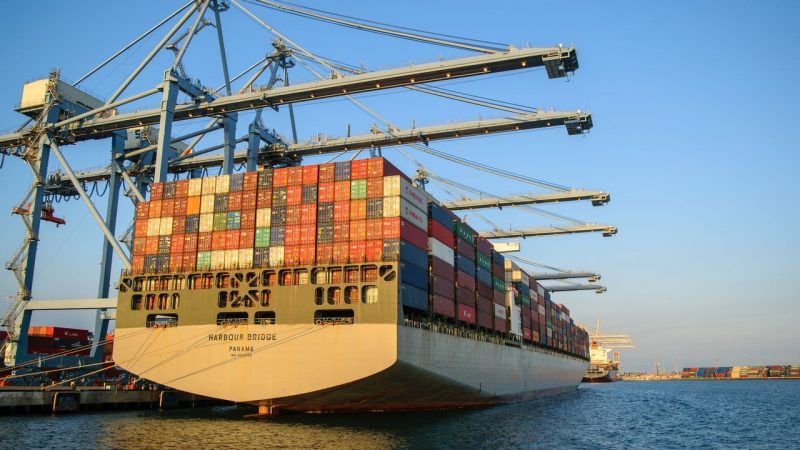
Photo: Thomas Parker / Pexels

US government may delay new tariffs on China until after Xi meeting

The Trump administration is reportedly holding back a 7.5% tariff announcement to use as leverage ahead of a September 24 summit with Xi Jinping.

The Trump administration is pressing pause on a fresh round of China tariffs, choosing to keep its cards face down ahead of a high-stakes summit with Chinese President Xi Jinping scheduled for September 24, 2026.

According to Bloomberg, the tariff announcement was originally expected this week but has been pushed back.

The tariff math

The anticipated new levy sits at 7.5%, targeting Chinese goods tied to what US officials describe as excess manufacturing capacity. When stacked on top of existing duties, the new tariff would push total US levies on Chinese imports to roughly 20%.

The tariffs stem from Section 301 investigations into Chinese industrial overcapacity that the administration launched back in March 2026.

Advertisement

Separately, the administration already imposed forced-labor-related tariffs of up to 12.5% on various trading partners in July 2026.

Why the delay matters

The September 24 summit will mark Xi Jinping’s first state visit to the US since 2023, a gap of three years. The two leaders last met in May 2026, but a formal state visit signals a different level of engagement entirely.

The agenda reportedly extends well beyond trade. Discussions are expected to cover the conflict in Iran, risks surrounding artificial intelligence, and the broader architecture of US-China competition. Preliminary talks between American and Chinese negotiators were scheduled for the weekend preceding the summit.

A tariff truce established in late 2025 is set to expire in November 2026, adding a ticking clock to the proceedings.

The limits of leverage

Bloomberg’s economics team has noted that the effectiveness of tariff threats has diminished as Chinese manufacturers have built resilience into their operations. Years of trade friction since the first Trump administration have essentially stress-tested China’s export sector.

A jump to 20% aggregate duties would still create real friction, particularly in price-sensitive categories where margins are thin.

What to watch

The most immediate signal will come from the weekend preliminary talks between US and Chinese negotiators. If those discussions produce enough momentum, the tariff delay could extend further, or the levy could be restructured as part of a broader deal framework.

If talks stall, expect the 7.5% tariff to materialize quickly after the summit, potentially alongside additional measures tied to the Section 301 investigation findings. The November expiration of the existing tariff truce provides a natural deadline for escalation.

Disclosure: This article was edited by Editorial Team. For more information on how we create and review content, see our Editorial Policy.
US government may delay new tariffs on China until after Xi meeting

The Trump administration is reportedly holding back a 7.5% tariff announcement to use as leverage ahead of a September 24 summit with Xi Jinping.

Photo: Thomas Parker / Pexels

The Trump administration is pressing pause on a fresh round of China tariffs, choosing to keep its cards face down ahead of a high-stakes summit with Chinese President Xi Jinping scheduled for September 24, 2026.

According to Bloomberg, the tariff announcement was originally expected this week but has been pushed back.

The tariff math

The anticipated new levy sits at 7.5%, targeting Chinese goods tied to what US officials describe as excess manufacturing capacity. When stacked on top of existing duties, the new tariff would push total US levies on Chinese imports to roughly 20%.

The tariffs stem from Section 301 investigations into Chinese industrial overcapacity that the administration launched back in March 2026.

Advertisement

Separately, the administration already imposed forced-labor-related tariffs of up to 12.5% on various trading partners in July 2026.

Why the delay matters

The September 24 summit will mark Xi Jinping’s first state visit to the US since 2023, a gap of three years. The two leaders last met in May 2026, but a formal state visit signals a different level of engagement entirely.

The agenda reportedly extends well beyond trade. Discussions are expected to cover the conflict in Iran, risks surrounding artificial intelligence, and the broader architecture of US-China competition. Preliminary talks between American and Chinese negotiators were scheduled for the weekend preceding the summit.

A tariff truce established in late 2025 is set to expire in November 2026, adding a ticking clock to the proceedings.

The limits of leverage

Bloomberg’s economics team has noted that the effectiveness of tariff threats has diminished as Chinese manufacturers have built resilience into their operations. Years of trade friction since the first Trump administration have essentially stress-tested China’s export sector.

A jump to 20% aggregate duties would still create real friction, particularly in price-sensitive categories where margins are thin.

What to watch

The most immediate signal will come from the weekend preliminary talks between US and Chinese negotiators. If those discussions produce enough momentum, the tariff delay could extend further, or the levy could be restructured as part of a broader deal framework.

If talks stall, expect the 7.5% tariff to materialize quickly after the summit, potentially alongside additional measures tied to the Section 301 investigation findings. The November expiration of the existing tariff truce provides a natural deadline for escalation.

Disclosure: This article was edited by Editorial Team. For more information on how we create and review content, see our Editorial Policy.