
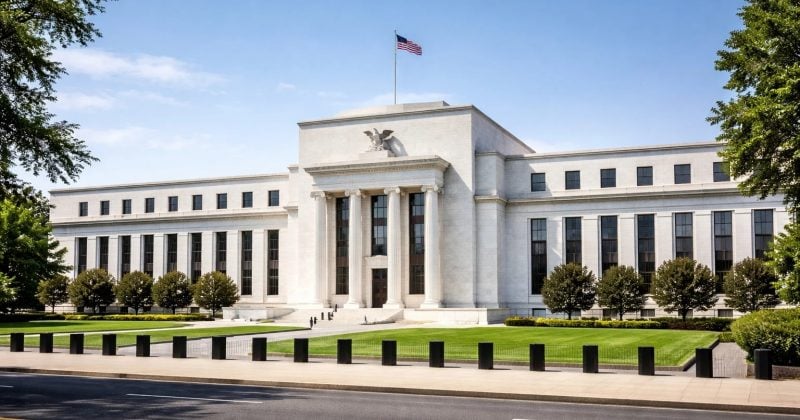
US jobless claims fall to lowest level since September 2022, complicating the Fed rate cut narrative
Initial claims dropped to 187,000 for the week ending July 18, sending a clear signal that the labor market isn't loosening anytime soon.
The US labor market just delivered a number that nobody betting on imminent rate cuts wanted to see. Initial jobless claims fell to 187,000 for the week ending July 18, 2026, a decline of 22,000 from the previous week’s 209,000, according to the US Department of Labor.
That’s the lowest reading since September 2022.
The numbers in context
The four-week moving average, which smooths out weekly volatility, settled around 207,500. Initial claims have been bouncing between roughly 180,000 and 220,000 for an extended stretch. The last time claims hit 190,000 was April 2026. Before that, you’d have to go back to early 2024 to find a comparable 187,000 print.
The report came in below economist expectations, which means forecasters were already anticipating a relatively strong number and still undershot reality.
What this means for Fed policy and risk assets
A tight labor market tends to fuel wage growth, which tends to fuel inflation. A 187,000 claims print is the opposite of slack.
The news moving money, markets, and the world—before your day starts.
Daily. Free. Join 34,000+ readers across crypto, finance, and policy.
If the Fed delays rate cuts because the labor market refuses to soften, that keeps the dollar stronger for longer, keeps yields elevated, and reduces the urgency for institutional capital to rotate into risk assets like Bitcoin and Ethereum.
The broader economic picture
Jobless claims are reported weekly and reflect actual people filing for unemployment benefits at state offices. A persistently tight labor market shapes the entire monetary policy environment, which shapes liquidity conditions, which shapes the risk appetite that ultimately drives capital flows into digital assets.
Crypto investors watching this data should pay close attention to the four-week moving average trend rather than any single print. If that 207,500 average continues drifting lower, it strengthens the case that rate cuts remain a distant prospect.