
Via nbcnews.com
US slaps sanctions on ten companies and eight tankers tied to Iran’s oil network
Washington's expanding crackdown now targets both maritime logistics and crypto exchanges as Iran's revenue channels face unprecedented pressure
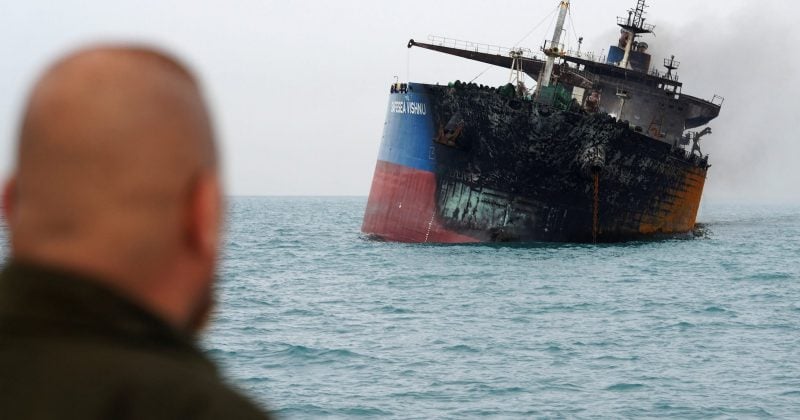
The US has imposed sanctions on ten companies and eight tankers connected to Iran’s oil trade, escalating a campaign that now stretches from shipping lanes in the Strait of Hormuz to cryptocurrency wallets linked to Tehran’s central bank. The move comes as Iran simultaneously intercepted three vessels in the strait, a waterway that handles roughly a fifth of the world’s oil supply.
The shadow fleet crackdown
The sanctions target a network of companies spread across Hong Kong, the UAE, and Oman that have been facilitating Iranian oil shipments, primarily to China. Four of the sanctioned firms are based in Hong Kong, four in the UAE, and one in Oman, with three individuals also designated in the action.
The eight tankers designated under these sanctions represent the physical infrastructure of that evasion network. This latest round builds on designations from earlier in 2026, including sanctions targeting Chinese refineries in April that were processing Iranian crude.
From tankers to tokens
In mid-July 2026, the US Treasury froze over $130 million in digital asset wallets allegedly linked to the Central Bank of Iran. Four prominent Iranian crypto exchanges were sanctioned as part of the action: Nobitex, Bitpin, Ramzinex, and Wallex. These platforms were designated for allegedly facilitating transactions on behalf of sanctioned entities, essentially serving as digital on-ramps for money that the traditional banking system had been instructed to reject.
Macro, rates, and crypto—what moved markets and what matters next.
Daily. Free. Join 34,000+ readers across crypto, finance, and policy.
Hormuz tensions add fuel
Iran’s Islamic Revolutionary Guard Corps intercepted three vessels in the Strait of Hormuz in late July 2026. The strait is one of the most strategically important chokepoints in global trade, and the timing alongside intensified sanctions is almost certainly not coincidental.
What this means for investors
In oil, every tanker that gets sanctioned is a vessel that major insurers, port authorities, and classification societies will refuse to touch, effectively stranding cargo capacity. For crypto, the sanctioning of Iranian exchanges and the freezing of $130 million in digital wallets reinforces a trend that’s been building for years: blockchain-based finance is now firmly within the crosshairs of national security enforcement. The designation of Nobitex, Bitpin, Ramzinex, and Wallex will likely accelerate compliance investments across the broader exchange ecosystem, particularly for platforms operating in jurisdictions adjacent to sanctioned countries.