
Valar Atomics plans massive nuclear-powered data center in Utah with over 450 reactors

Valar Atomics plans massive nuclear-powered data center in Utah with over 450 reactors

The California startup wants to blanket nearly 10,000 acres with small modular reactors to feed an insatiable appetite for AI compute power

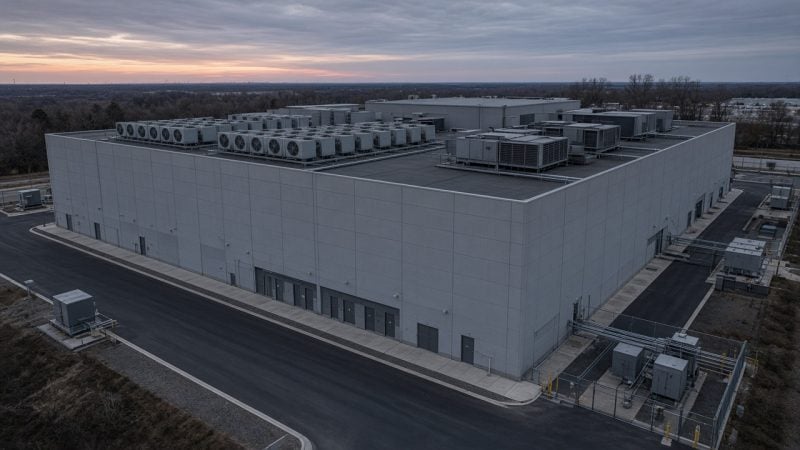
A two-year-old nuclear startup is betting that the best way to power the AI revolution is to build its own grid. Valar Atomics, founded in 2023 by Isaiah Taylor, plans to deploy more than 450 small reactors across over 9,500 acres in Utah, creating what may become one of the most ambitious energy-compute projects ever attempted.

The concept is deceptively simple: instead of plugging data centers into an already-strained electrical grid, build a fleet of high-temperature gas-cooled reactors (HTGRs) right next to the servers. The company calls these facilities “gigasites,” which provide integrated clusters of reactors that can concurrently deliver electricity, heat, and fuels at an industrial scale.

From test reactor to billion-dollar valuation

Its Ward 250 test microreactor, located at the Utah San Rafael Energy Lab, reached fueled criticality on June 18, 2026. That made it the first DOE-authorized reactor built outside a national laboratory.

Advertisement

Less than two weeks later, on July 1, the reactor generated its first electricity. Valar used that power to run one of Nvidia’s Blackwell chips during a live showcase in July 2026.

In August 2026, Valar raised $1B in a Series B funding round, pushing its valuation to $6B.

The Utah Trust Lands Administration added further momentum in September 2026, approving a 50-year lease for up to 640 acres designated for a nuclear, manufacturing, and data center campus across Carbon and Emery counties.

Why nuclear, and why now

Valar’s HTGRs are designed to operate continuously, independent of the grid. The reactors also produce industrial-grade heat, which Valar says can support hydrogen production and synthetic fuels, adding revenue streams beyond just powering servers. Valar’s early focus on AI data centers also reflects the rising energy demands of these facilities in arid locations like Utah, where water conservation is a key consideration.

The road from pilot to 450 reactors

Valar is targeting test-basis power sales in 2027, with full commercial operations anticipated by 2028. The company broke ground in Emery County in September 2025 and airlifted its Ward 250 reactor to Utah in February 2026.

Rather than building a single massive reactor, Valar plans to manufacture standardized smaller units that can be deployed incrementally across its gigasites in Carbon and Emery counties.

Disclosure: This article was edited by Diego Almada Lopez. For more information on how we create and review content, see our Editorial Policy.
Valar Atomics plans massive nuclear-powered data center in Utah with over 450 reactors

The California startup wants to blanket nearly 10,000 acres with small modular reactors to feed an insatiable appetite for AI compute power

A two-year-old nuclear startup is betting that the best way to power the AI revolution is to build its own grid. Valar Atomics, founded in 2023 by Isaiah Taylor, plans to deploy more than 450 small reactors across over 9,500 acres in Utah, creating what may become one of the most ambitious energy-compute projects ever attempted.

The concept is deceptively simple: instead of plugging data centers into an already-strained electrical grid, build a fleet of high-temperature gas-cooled reactors (HTGRs) right next to the servers. The company calls these facilities “gigasites,” which provide integrated clusters of reactors that can concurrently deliver electricity, heat, and fuels at an industrial scale.

From test reactor to billion-dollar valuation

Its Ward 250 test microreactor, located at the Utah San Rafael Energy Lab, reached fueled criticality on June 18, 2026. That made it the first DOE-authorized reactor built outside a national laboratory.

Advertisement

Less than two weeks later, on July 1, the reactor generated its first electricity. Valar used that power to run one of Nvidia’s Blackwell chips during a live showcase in July 2026.

In August 2026, Valar raised $1B in a Series B funding round, pushing its valuation to $6B.

The Utah Trust Lands Administration added further momentum in September 2026, approving a 50-year lease for up to 640 acres designated for a nuclear, manufacturing, and data center campus across Carbon and Emery counties.

Why nuclear, and why now

Valar’s HTGRs are designed to operate continuously, independent of the grid. The reactors also produce industrial-grade heat, which Valar says can support hydrogen production and synthetic fuels, adding revenue streams beyond just powering servers. Valar’s early focus on AI data centers also reflects the rising energy demands of these facilities in arid locations like Utah, where water conservation is a key consideration.

The road from pilot to 450 reactors

Valar is targeting test-basis power sales in 2027, with full commercial operations anticipated by 2028. The company broke ground in Emery County in September 2025 and airlifted its Ward 250 reactor to Utah in February 2026.

Rather than building a single massive reactor, Valar plans to manufacture standardized smaller units that can be deployed incrementally across its gigasites in Carbon and Emery counties.

Disclosure: This article was edited by Diego Almada Lopez. For more information on how we create and review content, see our Editorial Policy.