
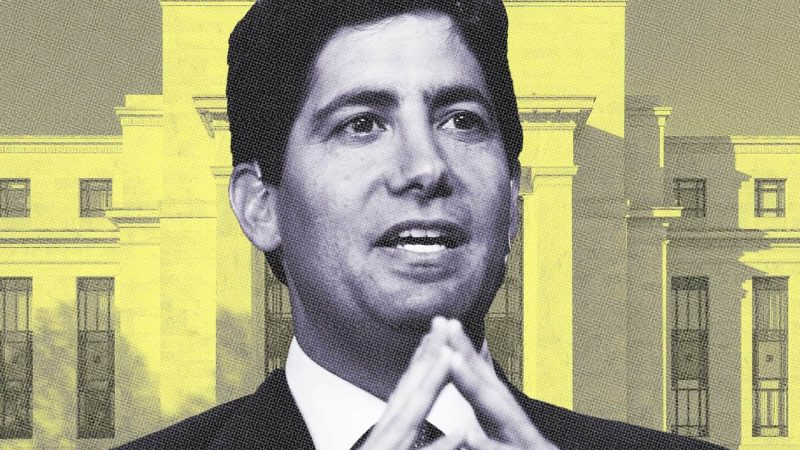
Kevin Warsh wins investor confidence by putting inflation ahead of Trump

Editor-selected (CryptoBriefing)

Kevin Warsh wins investor confidence by putting inflation ahead of Trump

The Fed chair backed higher rates despite pressure from President Donald Trump, reassuring stock and bond traders that price stability remains the priority.


Federal Reserve Chair Kevin Warsh chose to protect the central bank’s inflation fight rather than accommodate President Donald Trump’s demand for much lower interest rates.

Advertisement

The Fed unanimously raised rates for the first time in more than three years, and investors responded positively after initially wavering. Stocks moved higher while the 10-year Treasury yield fell back below 5%.

Trump has argued that rates should be 1% or less, compared with the Fed’s current 3.75% to 4% range. Warsh nevertheless treated persistent above-trend inflation as the greater risk and signaled that further increases could be warranted if needed.

The decision strengthened his standing with bond traders, who see higher prices as a threat to fixed-income returns. Jeffrey Rosenberg of BlackRock said markets viewed Warsh as a more credible Fed chair after the move.

Disclosure: This article was edited by Editorial Team. For more information on how we create and review content, see our Editorial Policy.
Kevin Warsh wins investor confidence by putting inflation ahead of Trump

The Fed chair backed higher rates despite pressure from President Donald Trump, reassuring stock and bond traders that price stability remains the priority.

Share

Add us on Google

Editor-selected (CryptoBriefing)

Federal Reserve Chair Kevin Warsh chose to protect the central bank’s inflation fight rather than accommodate President Donald Trump’s demand for much lower interest rates.

Advertisement

The Fed unanimously raised rates for the first time in more than three years, and investors responded positively after initially wavering. Stocks moved higher while the 10-year Treasury yield fell back below 5%.

Trump has argued that rates should be 1% or less, compared with the Fed’s current 3.75% to 4% range. Warsh nevertheless treated persistent above-trend inflation as the greater risk and signaled that further increases could be warranted if needed.

The decision strengthened his standing with bond traders, who see higher prices as a threat to fixed-income returns. Jeffrey Rosenberg of BlackRock said markets viewed Warsh as a more credible Fed chair after the move.

Disclosure: This article was edited by Editorial Team. For more information on how we create and review content, see our Editorial Policy.