
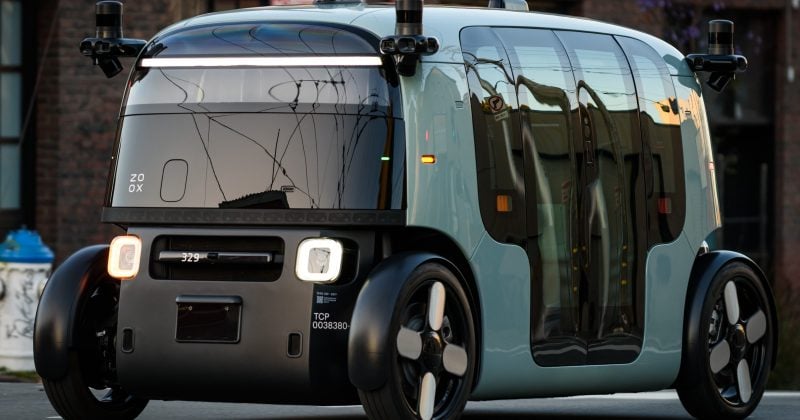
Photo: 9yz / Wikimedia Commons / CC BY 4.0 (https://creativecommons.org/licenses/by/4.0)
Amazon’s Zoox gets green light for 2,500 steering-wheel-free robotaxis in the US
The NHTSA approval marks the first time a vehicle without a steering wheel has been cleared for paid commercial rides on American roads.
Amazon’s autonomous vehicle subsidiary Zoox just cleared the regulatory hurdle that has kept purpose-built robotaxis parked on the sidelines for years. The National Highway Traffic Safety Administration granted Zoox an exemption to deploy up to 2,500 self-driving vehicles annually over a two-year period, making it the first company in the US to receive approval for paid commercial operation of a vehicle that doesn’t have a steering wheel.
For context, every other robotaxi currently operating in the US, including Waymo’s fleet, is a retrofitted version of a conventional car. Zoox’s approval is for something fundamentally different: a ground-up, bidirectional electric pod designed to carry up to four passengers with no driver controls at all.
What NHTSA actually approved
NHTSA Administrator Jonathan Morrison said Zoox’s systems exceeded the performance standards of vehicles that comply with traditional safety requirements.
The exemption isn’t a blank check, though. Zoox faces additional obligations around crash reporting and operational data sharing, conditions that go beyond what conventional automakers are required to provide. The two-year window and 2,500-vehicle annual cap also function as guardrails, letting regulators monitor real-world performance before any broader rollout.
Zoox had been pursuing this exemption since at least August 2025, filing petitions to secure waivers from various federal safety standards that were written with the assumption that a human would be sitting behind the wheel. Those standards, things like requirements for airbag placement relative to a steering column, simply don’t apply to a vehicle architecture that was designed without one.
The company is currently running passenger testing in Las Vegas and San Francisco. Paid rides in those cities still depend on additional local and state regulatory approvals, but the federal green light removes the biggest single obstacle.
AI, tech, and the markets they move—in one daily briefing.
Daily. Free. Join 34,000+ readers across crypto, finance, and policy.
The competitive landscape just got more interesting
Zoox’s approach sits in deliberate contrast to the two other major players in the US robotaxi market. Waymo, owned by Alphabet, operates a fleet of modified Jaguar I-PACEs and is expanding across multiple cities. Tesla has been telegraphing its robotaxi ambitions for years, with a dedicated vehicle design announced but not yet in commercial service.
On the manufacturing side, Zoox unveiled its production-intent vehicle design in June 2026 and announced a manufacturing facility in Hayward, California. The company’s target is to ramp production to 100 vehicles per week. If they hit that pace consistently, the 2,500-unit annual cap would become the binding constraint, not production capacity.
Zoox was founded in 2014 by Tim Kentley-Klay and Jesse Levinson, and Amazon acquired the company in 2020. Aicha Evans serves as CEO.
Why this matters beyond autonomous vehicles
The NHTSA exemption sends a signal that US regulators are willing to accommodate vehicles that break fundamentally from traditional automotive design. NHTSA is reportedly working on broader frameworks to standardize automated driving systems before the end of the current administration. Zoox’s exemption could serve as a template for those rules.
The risk side of the equation deserves attention too. The 2,500-vehicle cap means Zoox’s initial footprint will be modest. Any high-profile safety incident during this early phase could set back not just Zoox but the entire autonomous vehicle industry. Investors watching Amazon or the broader AV space should keep an eye on Zoox’s crash reporting data, which NHTSA will be collecting as part of the exemption’s enhanced oversight requirements.