
Crypto scored its first World Cup sponsorship, and the fan token market wants more
Kraken's historic FIFA deal and a booming fan token sector signal that sports may be crypto's most effective Trojan horse into the mainstream.
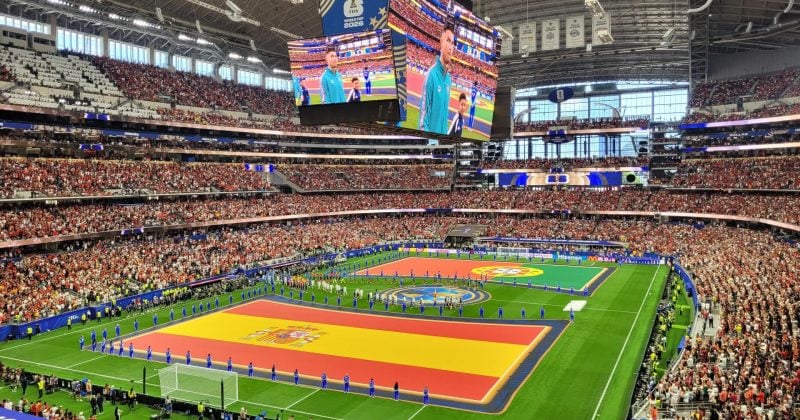
The BBC just aired its closing montage for the 2026 FIFA World Cup, set to “Sweet Child O’ Mine,” wrapping up what was by all accounts the biggest tournament in the event’s history. Spain beat Argentina in the final at MetLife Stadium on July 19. But buried inside the spectacle of 54 live BBC-broadcasted matches across three host nations was a quieter milestone: crypto officially showed up on the world’s largest sporting stage.
Kraken became the first Official Crypto Exchange Supporter of the FIFA World Cup on June 9, 2026. Not a jersey patch. Not a stadium naming deal. But a formal, FIFA-sanctioned designation that put a digital asset company’s brand in front of billions of global viewers for the first time in World Cup history.
Fan tokens are quietly building a multi-billion dollar market
Chiliz’s Socios.com platform continued issuing national team fan tokens throughout the tournament, riding a wave of heightened global fandom. Fan tokens hit a market capitalization of $3.8 billion in 2025, according to industry data. Projections suggest that number could balloon to nearly $19 billion by 2034.
Fan tokens give holders voting rights on minor club decisions, access to exclusive merchandise, and gamified engagement experiences. The World Cup, which draws cumulative viewership in the tens of billions, is the perfect accelerant for that model.
Crypto’s sponsorship ceiling in traditional sports
Kraken’s deal, while historic, did not place among FIFA’s top-tier sponsorships. Those slots remain dominated by traditional corporate giants. Crypto sponsorships at the 2026 World Cup focused more on national federations and fan engagement layers rather than occupying the premium billboard real estate that companies like Adidas, Coca-Cola, and Visa have locked down for decades.
The news moving money, markets, and the world—before your day starts.
Daily. Free. Join 34,000+ readers across crypto, finance, and policy.
FIFA itself has shown growing interest in blockchain infrastructure beyond just sponsorship deals. The organization’s collaborations with Avalanche point toward longer-term exploration of how blockchain technology might reshape ticketing, merchandise authentication, and direct fan-to-organization interactions.
What this means for investors watching the sports-crypto intersection
For investors, the fan token market’s growth trajectory from $3.8 billion to a projected $19 billion by 2034 is the number worth watching. Early positioning in fan token ecosystems, whether through direct token purchases or investments in the platforms that power them, could prove lucrative as more leagues and federations adopt the model.
The risk, as always, is regulatory. Fan tokens exist in a gray area between utility tokens and securities in many jurisdictions. A crackdown by the SEC or European regulators could compress valuations quickly.