
La Liga president calls for FIFA chief’s resignation, and crypto’s football empire could feel the tremors
Javier Tebas says Gianni Infantino's 'time is up' as governance turmoil threatens the blockchain partnerships and fan token ecosystems FIFA has been building
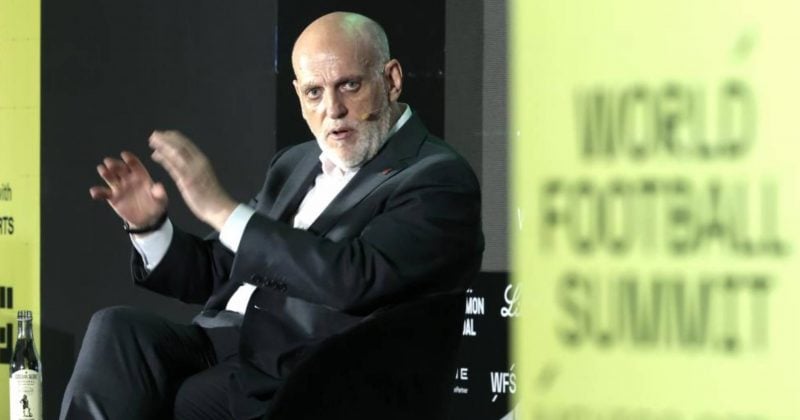
La Liga president Javier Tebas went scorched earth on FIFA president Gianni Infantino in an interview with Italian newspaper Gazzetta dello Sport on July 21, demanding his resignation and declaring that FIFA is “destroying the football industry.”
The power struggle on the pitch
Tebas didn’t mince words. “His time is up,” the La Liga chief said, accusing Infantino of misguided policies that have bloated the football calendar and prioritized commercial interests over the sport’s traditional structure.
The timing is pointed. Spain recently won the 2026 World Cup, giving Tebas a platform of strength from which to launch his attack. Meanwhile, Infantino is gearing up for a re-election campaign for a fourth term as FIFA president, with the vote scheduled for March 2027.
The core grievance isn’t new. European leagues have been pushing back against FIFA’s expansion of the World Cup format and the relentless fixture congestion it creates.
Why crypto cares about a football power struggle
FIFA has been on a blockchain spending spree. On June 9, the organization announced Kraken as the Official Crypto Exchange Supporter for the 2026 World Cup.
By mid-July 2026, FIFA’s own blockchain platform, powered by Avalanche, went live for digital collectibles. The platform lets fans buy, sell, and trade officially licensed digital items tied to the tournament.
The news moving money, markets, and the world—before your day starts.
Daily. Free. Join 34,000+ readers across crypto, finance, and policy.
La Liga itself isn’t sitting on the sidelines either. The Spanish league partnered with Panini to release blockchain-based digital trading cards featuring players from the 2025-26 season, a launch scheduled for April 2026. So both sides of this governance fight have skin in the crypto game.
Then there’s the fan token ecosystem. Platforms like Socios.com, powered by Chiliz, have seen increased activity around World Cup events. Fan tokens let supporters vote on minor club decisions and access exclusive perks. They also trade on secondary markets, which means their value is sensitive to sentiment around the organizations that issue them.
The governance risk nobody’s pricing in
A new FIFA president could renegotiate existing deals, deprioritize blockchain initiatives, or shift the commercial strategy entirely. The Kraken partnership, the Avalanche-powered collectibles platform, all of these arrangements were signed under Infantino’s leadership.
For Avalanche specifically, FIFA’s platform represents a high-profile use case that validates the network’s enterprise capabilities. If governance chaos at FIFA slows the rollout or dampens enthusiasm for the collectibles platform, it removes one of Avalanche’s most visible real-world adoption stories.
Chiliz faces a different but related risk. The fan token model relies on clubs and leagues maintaining active, engaged partnerships with the Socios platform. If the power struggle between FIFA and European leagues like La Liga intensifies, leagues might consolidate their own blockchain strategies independently rather than participating in FIFA-aligned ecosystems.
The smart move is to watch the next few months for signals: whether other league presidents join Tebas in calling for change, whether FIFA’s commercial partners issue any public statements of support, and whether Infantino’s re-election bid attracts a credible challenger.