
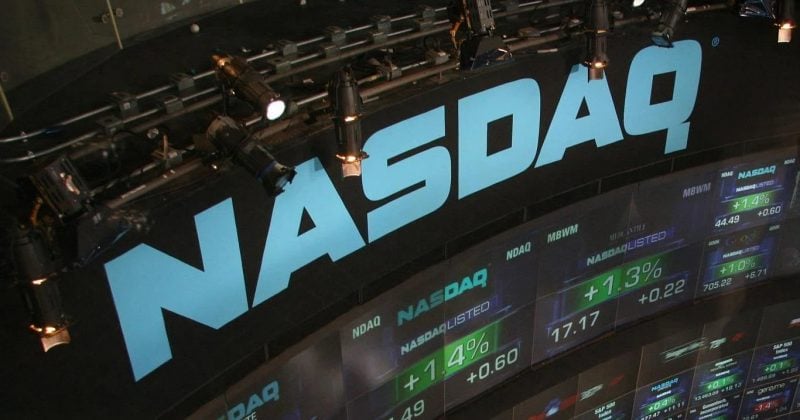
Nasdaq 100 nears correction as AI spending fears hammer chip stocks
The semiconductor index has fallen more than 20% from its June peak as investors question whether rising AI infrastructure spending will generate adequate returns.


The Nasdaq 100 approached correction territory Tuesday as a deepening semiconductor selloff raised concerns about the amount of money technology companies are spending on artificial intelligence.
The technology focused index was trading 0.7% lower at the time of reporting and stood 9.3% below its June 2 record, leaving it just short of the 10% decline commonly defined as a market correction.
The Nasdaq 100 was still up approximately 10% for the year after advancing 20% in 2025.
Semiconductor stocks suffered significantly steeper losses. The Philadelphia Semiconductor Index fell 4% Tuesday and was down approximately 24% from its June 22 high, placing the group beyond the 20% threshold commonly associated with a bear market.
The index remains up 56% this year, although it had more than doubled at its peak as investors poured money into companies expected to benefit from growing demand for AI computing infrastructure.
The reversal reflects rising skepticism about whether the revenue generated by AI products will justify the hundreds of billions of dollars being committed to data centers, chips, networking equipment, and power infrastructure.
Companies that previously generated large amounts of free cash flow are increasingly directing that money toward AI infrastructure. In some cases, the spending has substantially reduced cash generation or pushed companies into negative free cash flow.
Macro, rates, and crypto—what moved markets and what matters next.
Daily. Free. Join 34,000+ readers across crypto, finance, and policy.
That dynamic has created concerns that technology companies may eventually reduce capital expenditures, which would place further pressure on semiconductor companies and other infrastructure providers that benefited from the AI investment boom.
China’s reported progress in advanced chip manufacturing has added to the selling pressure. Investors are increasingly concerned that domestic Chinese technology could reduce demand for products supplied by US and international semiconductor companies.
Micron shares fell more than 6% Tuesday, while Intel declined approximately 5% and Nvidia dropped more than 1%. Memory and storage companies also recorded steep losses as investors reduced exposure to some of the strongest performers of the AI rally.
The Nasdaq 100 could enter a correction only 38 trading sessions after reaching its June record. Its previous correction in March developed over more than 100 trading sessions.
Alphabet intensified concerns last week when the Google parent reported negative quarterly free cash flow as spending on AI infrastructure exceeded the cash generated by its operations.
The company also raised its capital expenditure forecast, overshadowing stronger growth in its cloud computing division and contributing to Alphabet’s largest single day stock decline in more than a year.
Attention now turns to another round of results from the largest technology companies.
Microsoft and Meta are scheduled to report earnings Wednesday, July 29, while Amazon will release its results Thursday, July 30. Investors are expected to focus heavily on capital expenditure forecasts, free cash flow, and evidence that AI investments are producing meaningful revenue growth.
Stronger cloud revenue and clearer signs of AI monetization could stabilize the technology sector. Additional increases in spending or further deterioration in free cash flow could extend pressure on chipmakers and push the Nasdaq 100 firmly into correction territory.