
Dogecoin is growing beyond the meme as payment utility takes center stage

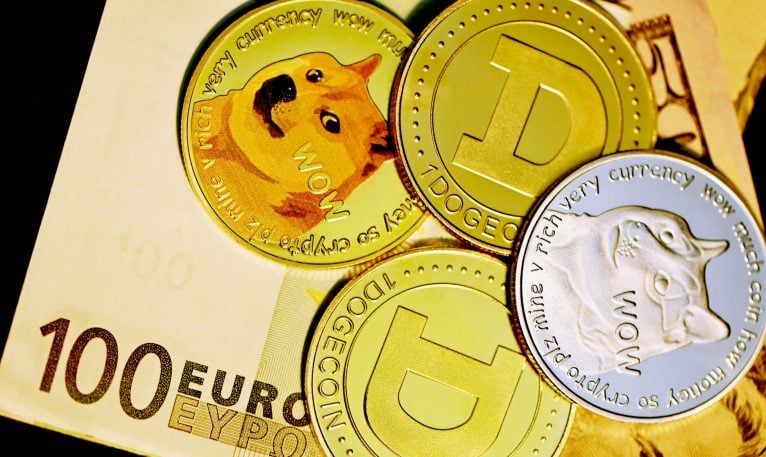
Photo: Kanchanara/Unsplash

Dogecoin is growing beyond the meme as payment utility takes center stage

Dogecoin's evolving utility as a payment method could redefine its role in the crypto market, emphasizing practical use over speculation.

Dogecoin has spent much of its life being treated as crypto’s favorite joke. Its Shiba Inu mascot, enthusiastic online community, and unpredictable price rallies made it one of the most recognizable digital assets in the world. Yet the story surrounding DOGE is gradually changing.

The question is no longer simply whether Dogecoin can generate another viral rally. Increasingly, the more interesting question is whether people will actually use it.

That shift matters. Cryptocurrency adoption has often been measured through market capitalization, trading volume, and institutional investment. Those indicators remain important, but they say relatively little about whether a cryptocurrency works as money. Payments offer a different test.

For Dogecoin, that test could become increasingly important.

From internet culture to payment infrastructure

Dogecoin was created in 2013 as a lighthearted alternative to the increasingly serious cryptocurrency industry. Ironically, its simplicity has helped it remain relevant.

Unlike many crypto projects, Dogecoin does not need users to understand complicated smart contracts, staking systems, or decentralized finance protocols before they can interact with it. The basic proposition is straightforward: acquire DOGE, hold it in a compatible wallet, and transfer it to another address.

That simplicity has long supported peer-to-peer tipping and small online payments. Now, companies building infrastructure around Dogecoin are attempting to extend that utility further.

Recent initiatives involving payment providers, financial platforms, and businesses suggest that DOGE supporters want the asset to function in more places outside cryptocurrency exchanges. If those efforts succeed, Dogecoin could develop a second identity alongside its familiar role as a speculative meme coin.

Why spending crypto still matters

Crypto has made significant progress as an investable asset class, but spending digital currencies remains less intuitive than buying them.

A user can purchase cryptocurrency on an exchange within minutes, yet finding places to spend a particular coin can still require research. Merchants must decide which assets and networks to support, while customers have to consider transaction costs, processing times, wallet compatibility, and conversion rates.

Advertisement

This is why actual payment environments are useful indicators of adoption.

Online entertainment is one example. Digital-first businesses can often integrate cryptocurrency payments more easily than traditional retailers because the entire customer experience already takes place online. Gaming and gambling platforms have been particularly active in experimenting with different digital assets.

For readers interested in seeing how DOGE is already being incorporated into this type of payment environment, this guide to Doge-friendly casinos provides a practical look at platforms built around Dogecoin transactions and illustrates one of the ways the cryptocurrency is being used beyond trading.

The significance is broader than any single industry. Every functioning payment use case provides information about what consumers expect when they spend cryptocurrency.

Utility changes how a crypto asset is evaluated

A cryptocurrency used primarily for speculation is usually judged by familiar metrics such as price performance, liquidity, exchange listings, and investor sentiment.

Payment-focused assets face additional questions.

How easy is the asset to transfer? How much does a typical transaction cost? How widely is it supported? Can businesses integrate it without adding excessive friction? Most importantly, is there a reason for consumers to spend it instead of simply holding it?

Dogecoin has characteristics that make those questions worth exploring. Its established network, recognizable brand, large community, and relatively straightforward transaction model give it advantages that newer cryptocurrencies may struggle to replicate quickly.

Brand recognition is especially valuable.

Thousands of digital assets compete for attention, and most are virtually unknown outside dedicated crypto communities. Dogecoin does not have that problem. Even people who have never owned cryptocurrency may recognize the Dogecoin name or its Shiba Inu mascot.

Turning recognition into sustained usage, however, is a much harder challenge.

The spending versus holding problem

One obstacle facing Dogecoin is shared by nearly every cryptocurrency intended for payments.

People may hesitate to spend an asset if they believe its price could rise substantially later. This creates tension between Dogecoin as an investment and Dogecoin as a currency.

Volatility adds another complication. A product priced at $50 might require a noticeably different amount of DOGE from one day to the next. Merchants can manage this through payment processors that calculate exchange rates at checkout or convert crypto into fiat, but additional infrastructure can reduce some of the simplicity that makes direct crypto payments attractive.

There are also regulatory and tax considerations that vary considerably by jurisdiction. Consumers and businesses need to understand the rules that apply where they operate.

None of these challenges are unique to Dogecoin. Bitcoin, Ether, stablecoins, and other digital assets face their own versions of the same problem.

Adoption may be less dramatic than the headlines

Crypto adoption is often imagined as a sudden event where digital currencies become universally accepted. Reality is likely to be more gradual.

A new payment integration here, a financial product there, and another merchant experimenting with DOGE may not individually transform the market. Collectively, however, these developments can build the infrastructure required for broader usage.

This may ultimately be the more meaningful chapter in Dogecoin’s unusual history.

DOGE does not need to abandon its meme culture to become more useful. In fact, its community-driven identity remains one of its strongest advantages. What matters is whether the ecosystem can turn that attention into practical applications that people choose to use.

Dogecoin began as a joke about cryptocurrency. More than a decade later, the experiment is becoming considerably more serious. If payment adoption continues expanding, the most interesting thing about DOGE may eventually be not how loudly people talk about it, but where they can actually spend it.

Disclosure: This is sponsored content. It does not represent Crypto Briefing's editorial views. For more information, see our Editorial Policy.
Dogecoin is growing beyond the meme as payment utility takes center stage

Dogecoin's evolving utility as a payment method could redefine its role in the crypto market, emphasizing practical use over speculation.

Photo: Kanchanara/Unsplash

Dogecoin has spent much of its life being treated as crypto’s favorite joke. Its Shiba Inu mascot, enthusiastic online community, and unpredictable price rallies made it one of the most recognizable digital assets in the world. Yet the story surrounding DOGE is gradually changing.

The question is no longer simply whether Dogecoin can generate another viral rally. Increasingly, the more interesting question is whether people will actually use it.

That shift matters. Cryptocurrency adoption has often been measured through market capitalization, trading volume, and institutional investment. Those indicators remain important, but they say relatively little about whether a cryptocurrency works as money. Payments offer a different test.

For Dogecoin, that test could become increasingly important.

From internet culture to payment infrastructure

Dogecoin was created in 2013 as a lighthearted alternative to the increasingly serious cryptocurrency industry. Ironically, its simplicity has helped it remain relevant.

Unlike many crypto projects, Dogecoin does not need users to understand complicated smart contracts, staking systems, or decentralized finance protocols before they can interact with it. The basic proposition is straightforward: acquire DOGE, hold it in a compatible wallet, and transfer it to another address.

That simplicity has long supported peer-to-peer tipping and small online payments. Now, companies building infrastructure around Dogecoin are attempting to extend that utility further.

Recent initiatives involving payment providers, financial platforms, and businesses suggest that DOGE supporters want the asset to function in more places outside cryptocurrency exchanges. If those efforts succeed, Dogecoin could develop a second identity alongside its familiar role as a speculative meme coin.

Why spending crypto still matters

Crypto has made significant progress as an investable asset class, but spending digital currencies remains less intuitive than buying them.

A user can purchase cryptocurrency on an exchange within minutes, yet finding places to spend a particular coin can still require research. Merchants must decide which assets and networks to support, while customers have to consider transaction costs, processing times, wallet compatibility, and conversion rates.

Advertisement

This is why actual payment environments are useful indicators of adoption.

Online entertainment is one example. Digital-first businesses can often integrate cryptocurrency payments more easily than traditional retailers because the entire customer experience already takes place online. Gaming and gambling platforms have been particularly active in experimenting with different digital assets.

For readers interested in seeing how DOGE is already being incorporated into this type of payment environment, this guide to Doge-friendly casinos provides a practical look at platforms built around Dogecoin transactions and illustrates one of the ways the cryptocurrency is being used beyond trading.

The significance is broader than any single industry. Every functioning payment use case provides information about what consumers expect when they spend cryptocurrency.

Utility changes how a crypto asset is evaluated

A cryptocurrency used primarily for speculation is usually judged by familiar metrics such as price performance, liquidity, exchange listings, and investor sentiment.

Payment-focused assets face additional questions.

How easy is the asset to transfer? How much does a typical transaction cost? How widely is it supported? Can businesses integrate it without adding excessive friction? Most importantly, is there a reason for consumers to spend it instead of simply holding it?

Dogecoin has characteristics that make those questions worth exploring. Its established network, recognizable brand, large community, and relatively straightforward transaction model give it advantages that newer cryptocurrencies may struggle to replicate quickly.

Brand recognition is especially valuable.

Thousands of digital assets compete for attention, and most are virtually unknown outside dedicated crypto communities. Dogecoin does not have that problem. Even people who have never owned cryptocurrency may recognize the Dogecoin name or its Shiba Inu mascot.

Turning recognition into sustained usage, however, is a much harder challenge.

The spending versus holding problem

One obstacle facing Dogecoin is shared by nearly every cryptocurrency intended for payments.

People may hesitate to spend an asset if they believe its price could rise substantially later. This creates tension between Dogecoin as an investment and Dogecoin as a currency.

Volatility adds another complication. A product priced at $50 might require a noticeably different amount of DOGE from one day to the next. Merchants can manage this through payment processors that calculate exchange rates at checkout or convert crypto into fiat, but additional infrastructure can reduce some of the simplicity that makes direct crypto payments attractive.

There are also regulatory and tax considerations that vary considerably by jurisdiction. Consumers and businesses need to understand the rules that apply where they operate.

None of these challenges are unique to Dogecoin. Bitcoin, Ether, stablecoins, and other digital assets face their own versions of the same problem.

Adoption may be less dramatic than the headlines

Crypto adoption is often imagined as a sudden event where digital currencies become universally accepted. Reality is likely to be more gradual.

A new payment integration here, a financial product there, and another merchant experimenting with DOGE may not individually transform the market. Collectively, however, these developments can build the infrastructure required for broader usage.

This may ultimately be the more meaningful chapter in Dogecoin’s unusual history.

DOGE does not need to abandon its meme culture to become more useful. In fact, its community-driven identity remains one of its strongest advantages. What matters is whether the ecosystem can turn that attention into practical applications that people choose to use.

Dogecoin began as a joke about cryptocurrency. More than a decade later, the experiment is becoming considerably more serious. If payment adoption continues expanding, the most interesting thing about DOGE may eventually be not how loudly people talk about it, but where they can actually spend it.

Disclosure: This is sponsored content. It does not represent Crypto Briefing's editorial views. For more information, see our Editorial Policy.