
Spain’s World Cup win triggers crypto ripple effects across fan tokens, NFTs, and prediction markets

Spain’s World Cup win triggers crypto ripple effects across fan tokens, NFTs, and prediction markets

The biggest sporting event on earth just became the biggest test case for blockchain integration in sports, and Spain's victory parade is only amplifying the signal.

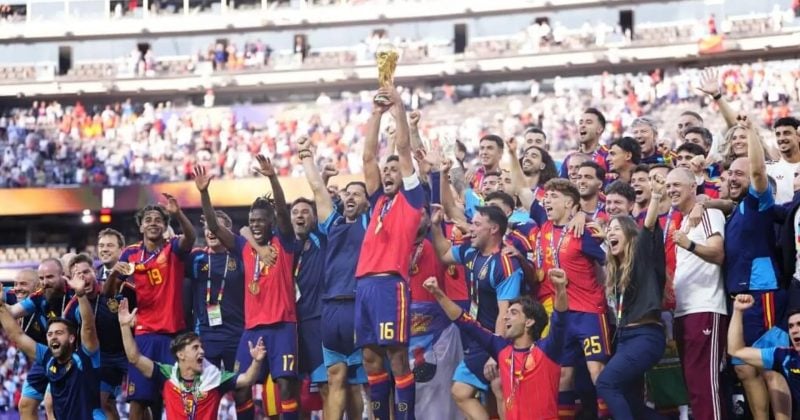
Spain’s 1-0 defeat of Argentina in Sunday’s World Cup final didn’t just end a tournament. It kicked off what might be the most consequential week for sports-adjacent crypto since the last bull run.

While over a million fans are expected to flood Madrid’s streets on Monday for a victory parade, a parallel celebration is playing out on-chain. Fan tokens, NFT collectibles, and prediction market settlements are all processing the aftermath of the beautiful game’s biggest moment.

The blockchain infrastructure behind the 2026 World Cup

Kraken was announced as FIFA’s Official Crypto Exchange Supporter on June 9, 2026. That title sounds like corporate word salad, but the role goes beyond banner ads. It positions the exchange as the primary crypto partner among the tournament’s traditional sponsor roster.

FIFA built its FIFA Collect platform on Avalanche, generating over 85,000 blockchain addresses for digital collectibles and NFT ticketing. In English: FIFA created a mini economy on Avalanche’s network where fans could own verifiable digital memorabilia tied to the tournament.

Chainlink, meanwhile, served as the exclusive oracle provider for ADI Predictstreet’s prediction markets covering all 104 tournament matches. Oracles are the bridges that feed real-world data, like match results, into smart contracts.

Advertisement

The contrast with the 2022 Qatar World Cup is worth noting. That cycle was dominated by aggressive, often reckless crypto sponsorship deals. The 2026 approach looks more like functional integration than flashy branding.

Fan tokens and the national pride trade

Chiliz operates the leading fan-token platform for major European football clubs, including multiple Spanish teams. There’s no official Spanish national team token, but that almost doesn’t matter. When a country wins the World Cup, the halo effect hits club-level tokens hard.

National pride drives interest in Spanish football broadly. Fans who might never have interacted with a fan token suddenly want a piece of the action. Trading volumes spike. Prices follow, at least temporarily.

The risk is that these spikes tend to be exactly that: spikes. Fan tokens have historically struggled to maintain value outside of major event windows.

What this means for investors

For Avalanche, having FIFA Collect running on its network with over 85,000 blockchain addresses is the kind of real-world adoption metric that demonstrates regular football fans interacting with blockchain technology, many of them probably without even knowing it.

Chainlink’s oracle role across 104 matches demonstrates something similar. Being the exclusive provider for the world’s most-watched sporting event is a résumé line that opens doors to future partnerships across sports, entertainment, and beyond.

Kraken’s measured partnership approach also signals maturity in how crypto companies think about sports marketing. The exchange didn’t plaster its name on every surface or promise free Bitcoin to goal scorers. It took a supporting role, which suggests the industry has learned something from the 2022 sponsorship blowups.

For traders watching the fan-token space specifically, Chiliz-linked tokens for Spanish clubs are the obvious plays, but volume is the metric to watch more than price. Sustained volume after the initial spike would suggest genuine user acquisition rather than a one-day sugar rush.

Fan tokens remain speculative assets with thin liquidity compared to major cryptocurrencies. Regulatory scrutiny around sports-linked digital assets continues to evolve across European jurisdictions.

Disclosure: This article was edited by Editorial Team. For more information on how we create and review content, see our Editorial Policy.

Spain’s World Cup win triggers crypto ripple effects across fan tokens, NFTs, and prediction markets

Spain’s World Cup win triggers crypto ripple effects across fan tokens, NFTs, and prediction markets

The biggest sporting event on earth just became the biggest test case for blockchain integration in sports, and Spain's victory parade is only amplifying the signal.

Spain’s 1-0 defeat of Argentina in Sunday’s World Cup final didn’t just end a tournament. It kicked off what might be the most consequential week for sports-adjacent crypto since the last bull run.

While over a million fans are expected to flood Madrid’s streets on Monday for a victory parade, a parallel celebration is playing out on-chain. Fan tokens, NFT collectibles, and prediction market settlements are all processing the aftermath of the beautiful game’s biggest moment.

The blockchain infrastructure behind the 2026 World Cup

Kraken was announced as FIFA’s Official Crypto Exchange Supporter on June 9, 2026. That title sounds like corporate word salad, but the role goes beyond banner ads. It positions the exchange as the primary crypto partner among the tournament’s traditional sponsor roster.

FIFA built its FIFA Collect platform on Avalanche, generating over 85,000 blockchain addresses for digital collectibles and NFT ticketing. In English: FIFA created a mini economy on Avalanche’s network where fans could own verifiable digital memorabilia tied to the tournament.

Chainlink, meanwhile, served as the exclusive oracle provider for ADI Predictstreet’s prediction markets covering all 104 tournament matches. Oracles are the bridges that feed real-world data, like match results, into smart contracts.

Advertisement

The contrast with the 2022 Qatar World Cup is worth noting. That cycle was dominated by aggressive, often reckless crypto sponsorship deals. The 2026 approach looks more like functional integration than flashy branding.

Fan tokens and the national pride trade

Chiliz operates the leading fan-token platform for major European football clubs, including multiple Spanish teams. There’s no official Spanish national team token, but that almost doesn’t matter. When a country wins the World Cup, the halo effect hits club-level tokens hard.

National pride drives interest in Spanish football broadly. Fans who might never have interacted with a fan token suddenly want a piece of the action. Trading volumes spike. Prices follow, at least temporarily.

The risk is that these spikes tend to be exactly that: spikes. Fan tokens have historically struggled to maintain value outside of major event windows.

What this means for investors

For Avalanche, having FIFA Collect running on its network with over 85,000 blockchain addresses is the kind of real-world adoption metric that demonstrates regular football fans interacting with blockchain technology, many of them probably without even knowing it.

Chainlink’s oracle role across 104 matches demonstrates something similar. Being the exclusive provider for the world’s most-watched sporting event is a résumé line that opens doors to future partnerships across sports, entertainment, and beyond.

Kraken’s measured partnership approach also signals maturity in how crypto companies think about sports marketing. The exchange didn’t plaster its name on every surface or promise free Bitcoin to goal scorers. It took a supporting role, which suggests the industry has learned something from the 2022 sponsorship blowups.

For traders watching the fan-token space specifically, Chiliz-linked tokens for Spanish clubs are the obvious plays, but volume is the metric to watch more than price. Sustained volume after the initial spike would suggest genuine user acquisition rather than a one-day sugar rush.

Fan tokens remain speculative assets with thin liquidity compared to major cryptocurrencies. Regulatory scrutiny around sports-linked digital assets continues to evolve across European jurisdictions.

Disclosure: This article was edited by Editorial Team. For more information on how we create and review content, see our Editorial Policy.