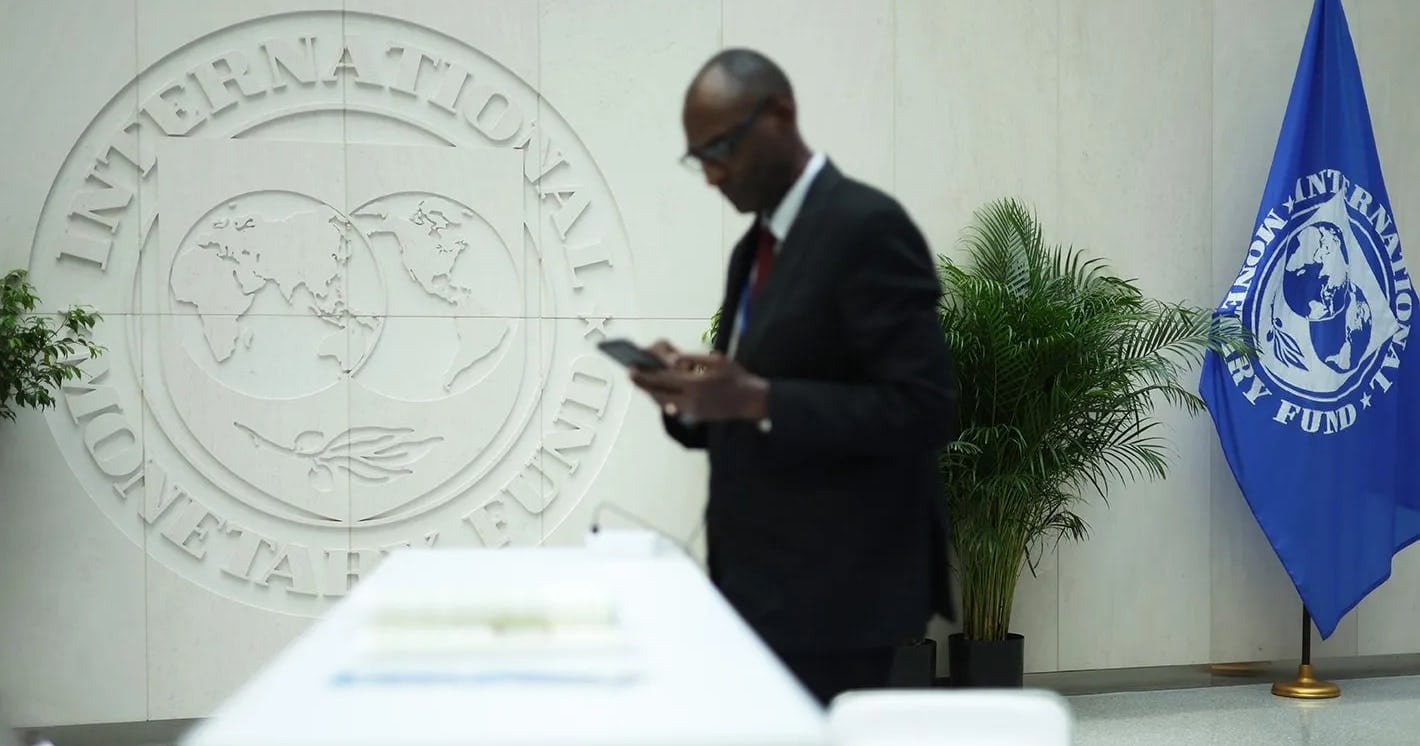
Chief economist Pierre-Olivier Gourinchas says escalating tariff threats risk triggering a 'spiral of escalation' that could derail growth and rattle financial markets
The International Monetary Fund’s chief economist has a message for governments playing chicken with tariffs: everybody loses. Pierre-Olivier Gourinchas warned that escalating trade threats, particularly from the US against European NATO allies, could trigger a chain reaction that damages global growth, spooks consumers, and sends financial markets into repricing mode.
The warning landed during the IMF’s release of its World Economic Outlook update in late January 2026. And while the Fund’s baseline forecast still projects global growth at 3.3% for this year, Gourinchas made clear that baseline assumes cooler heads prevail.
The spiral nobody wants
Gourinchas used the phrase “spiral of escalation” to describe where current tensions could lead. The tariff threats in question stem from the Trump administration’s recent moves targeting European allies, a development that has injected fresh uncertainty into transatlantic trade relations.
Full escalation, Gourinchas warned, could lead to financial market repricing and increased uncertainty, with asset prices that currently reflect a relatively stable trade environment needing to adjust to reflect a world where major economies are actively trying to hurt each other’s exports.
The baseline holds, for now
Despite the alarm bells, the IMF’s headline numbers remain surprisingly upbeat. Global growth of 3.3% in 2026 isn’t spectacular by historical standards, but it’s respectable. The Fund even upgraded its US growth forecast to 2.4%, reflecting continued momentum in the American economy.
A significant tailwind behind those numbers is investment in artificial intelligence. But Gourinchas was careful to frame these projections as conditional. The 3.3% figure assumes tariff threats remain largely rhetorical. Should they materialize into actual policy, investment and consumption would both take hits.
What this means for investors and crypto markets
For traditional market participants, sectors with heavy exposure to international trade, think manufacturing, agriculture, and automotive, face the most direct risk. If tariffs escalate, margins compress, supply chains scramble, and earnings estimates come down.
For crypto markets, the IMF’s statement did not reference any digital assets or protocols directly. Historically, periods of acute uncertainty in traditional financial markets have produced mixed results for crypto. The key variable is liquidity: if trade escalation triggers a meaningful tightening of financial conditions, risk assets broadly including crypto tend to suffer, but if the response involves central banks loosening policy, that liquidity boost has historically benefited digital assets.