The DRC's latest resource nationalism move sent copper prices to their highest level since January 2026
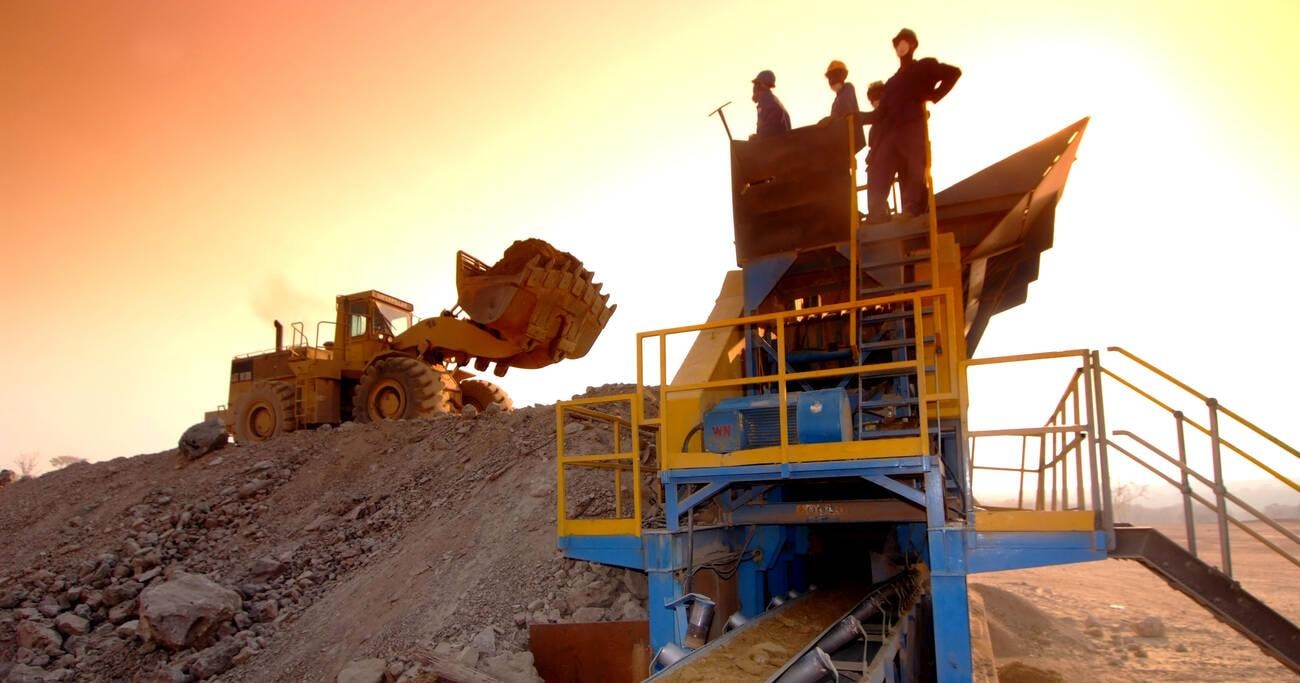
The Democratic Republic of Congo just made a significant move in its long-running effort to capture more value from its own ground. Effective June 29, 2026, the DRC issued a government order banning the export of copper and cobalt concentrates, with the announcement going public on August 6, 2026.
Copper markets responded immediately. Prices on the London Metal Exchange climbed 1.8%, reaching $14,369.50 per tonne, the highest level since January 2026.
What the ban actually covers
In Q1 2026, the country exported 696,725 tonnes of refined copper cathodes compared to just 53,926 tonnes of concentrates. That gap means the near-term supply disruption from this ban is limited, at least on paper.
Still, certain operations face real exposure. Kamoa-Kakula, one of the DRC’s most significant copper projects, has been exporting concentrates under previous exemptions. Those arrangements are now under pressure.
One-year waivers are available on a case-by-case basis under the new framework. The order also introduces new taxation rules covering mining by-products, tightening the regulatory environment around extraction more broadly.
This is not the DRC’s first attempt at this
The DRC has been down this road before. Concentrate export restrictions were enacted in 2013, 2019, and 2023, making this the fourth iteration of the same general policy direction. The country also imposed a full cobalt export suspension from February to October 2025, which was later converted into annual quotas. The 2026-2027 cobalt quota sits at 96,600 tonnes.
The clearest parallel from outside the continent is Indonesia’s approach to nickel. Jakarta implemented nickel ore export bans specifically to force downstream investment into domestic processing, and it worked, drawing in smelter construction and manufacturing partnerships.
The DRC accounts for more than 70% of global cobalt production and is Africa’s largest copper producer.
Why crypto and hardware investors should pay attention
Copper is a core component in ASIC miners and GPUs, the hardware that powers both Bitcoin mining and broader computing infrastructure. Cobalt is essential to lithium-ion batteries, which back up data centers and increasingly power the energy storage systems that mining operations rely on.
Neither metal has a crypto token directly tied to this policy, and no specific digital assets moved in direct response to the announcement. But the cost structure for mining hardware is sensitive to metals pricing.
Investors with exposure to mining equities that source from the DRC should be watching which companies hold concentrate export waivers, how long those waivers last, and whether Kamoa-Kakula and similar operations can shift to domestic refining at scale.