Experimental rules may expand investment opportunities while reinforcing market transparency and protecting against crypto's inherent risks.
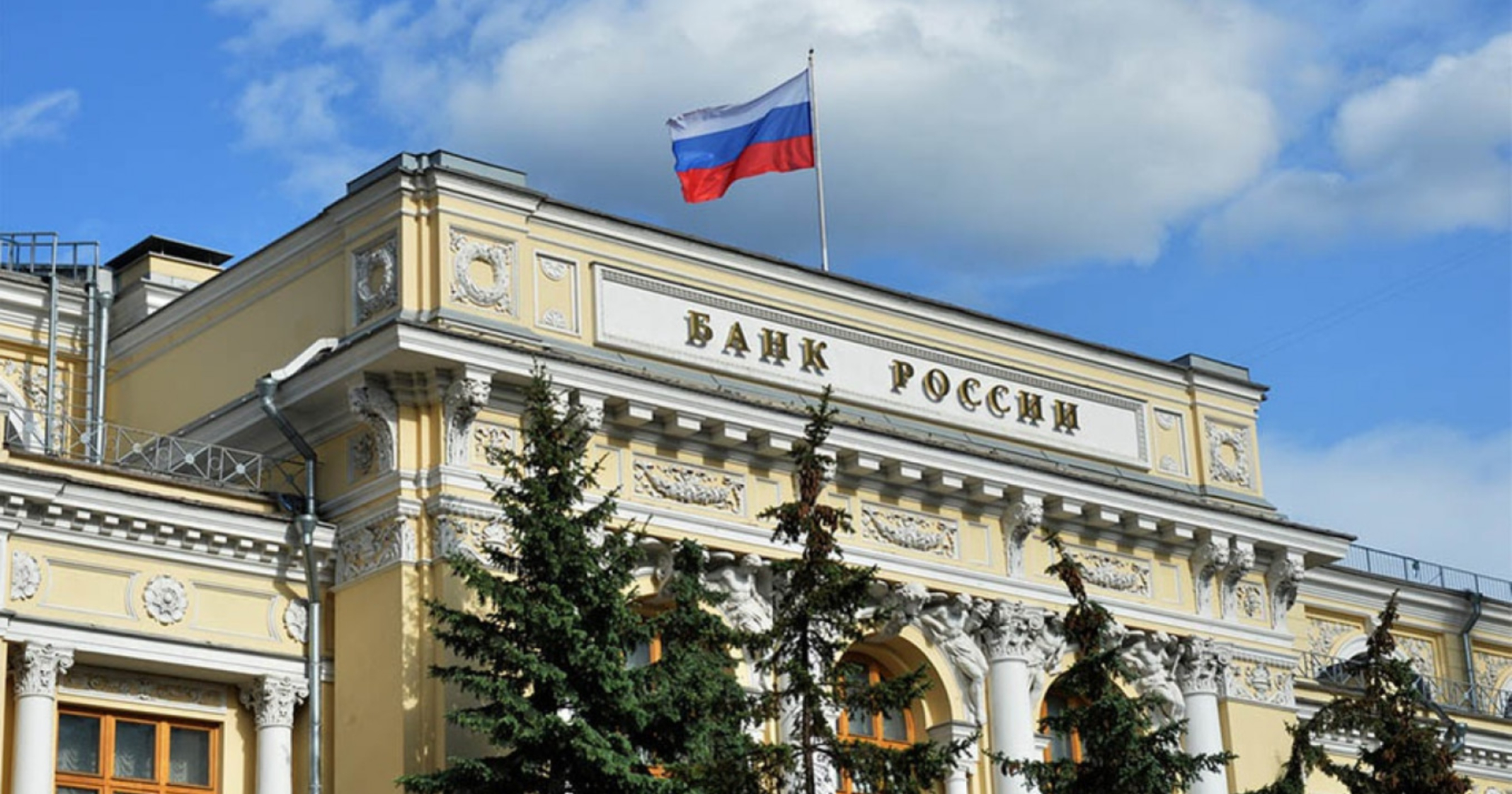
The Bank of Russia is considering allowing crypto purchases for a limited group of qualified investors under a new experimental legal regime.
According to a Wednesday press release published on the bank’s website, the Bank of Russia has outlined a regulatory approach to crypto investments in proposals submitted to the government. Developed under President Putin’s guidance, the framework would authorize a limited circle of Russian investors to engage in the buying and selling of crypto assets.
To facilitate this, a special experimental legal regime (EPR) is planned to be established for a period of three years. The EPR will serve as a testing ground for crypto regulation, allowing authorities to monitor and manage the associated risks.
As stated, eligible participants would include individual investors with over 100 million rubles in securities and deposits or annual income exceeding 50 million rubles, as well as corporate qualified investors and financial organizations.
For financial institutions seeking to invest in crypto assets, the Bank of Russia will establish specific regulatory requirements based on risk levels. The experimental framework aims to increase market transparency and create service standards while expanding investment options for experienced investors.
Apart from the experimental regime, qualified investors will have the opportunity to invest in cash-settled derivatives, securities, and digital financial assets that offer returns linked to the value of crypto, without direct ownership.
Despite regulatory developments, the central bank maintains its stance that crypto is not a legal means of payment in the country.
Russia has recently legalized the use of cryptocurrencies for international payments to help circumvent Western sanctions. This change allows Russian businesses to engage in cross-border transactions using digital assets, but it does not permit domestic payments.