KuCoin takes steps to navigate geopolitical tensions by ending services in sanction-impacted regions.
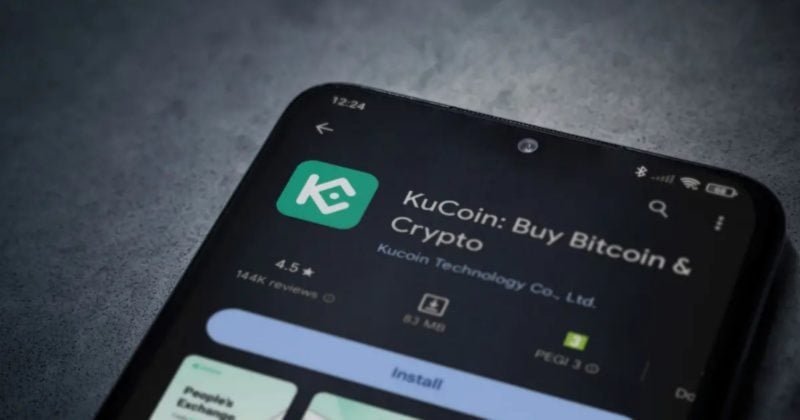
KuCoin on Thursday announced the immediate termination of its services for users in Russia and Belarus, saying the decision follows applicable legal and regulatory requirements. The exchange said the shutdown applies to all products, services and resources available through its platform.
Affected customers will receive individual notifications detailing the relevant deadlines and procedures for closing open positions and withdrawing their assets. KuCoin said users who have not received a notification are not required to take action at this stage.
A rolling pattern
The latest announcement follows several similar moves by major crypto platforms.
Bitget restricted Russia, Belarus and Kazakhstan after updating its terms of service on October 16. MEXC announced on October 20 that it would discontinue services for users in Russia and Belarus, citing global compliance considerations.
HTX also added Russia to its list of restricted jurisdictions, although this appears to have been a restriction rather than a complete exit.
Why now
The decision reflects mounting pressure on crypto exchanges to improve know-your-customer and anti-money-laundering procedures. Leaving markets subject to sanctions or heightened regulatory scrutiny can reduce enforcement exposure and help exchanges maintain access to banking partners and licensing opportunities.
Since Russia’s invasion of Ukraine in 2022, Western governments have expanded sanctions targeting Russian financial infrastructure.
Regulators in the US, EU and UK are also scrutinizing crypto platforms more closely over the potential use of digital assets to circumvent restrictions, increasing pressure on exchanges to demonstrate effective sanctions compliance.
What comes next
As centralized exchanges withdraw, Russian and Belarusian users may increasingly turn to decentralized trading platforms, peer-to-peer transactions and self-custody wallets.
These alternatives can provide different ways to access crypto markets, but they also expose users to risks such as fraud, poor liquidity and irreversible transfers.
Users who receive a KuCoin restriction notice should prioritize the stated deadlines, close open positions and withdraw their assets to wallets under their control. They should verify all instructions through KuCoin’s official communication channels to avoid phishing attempts.