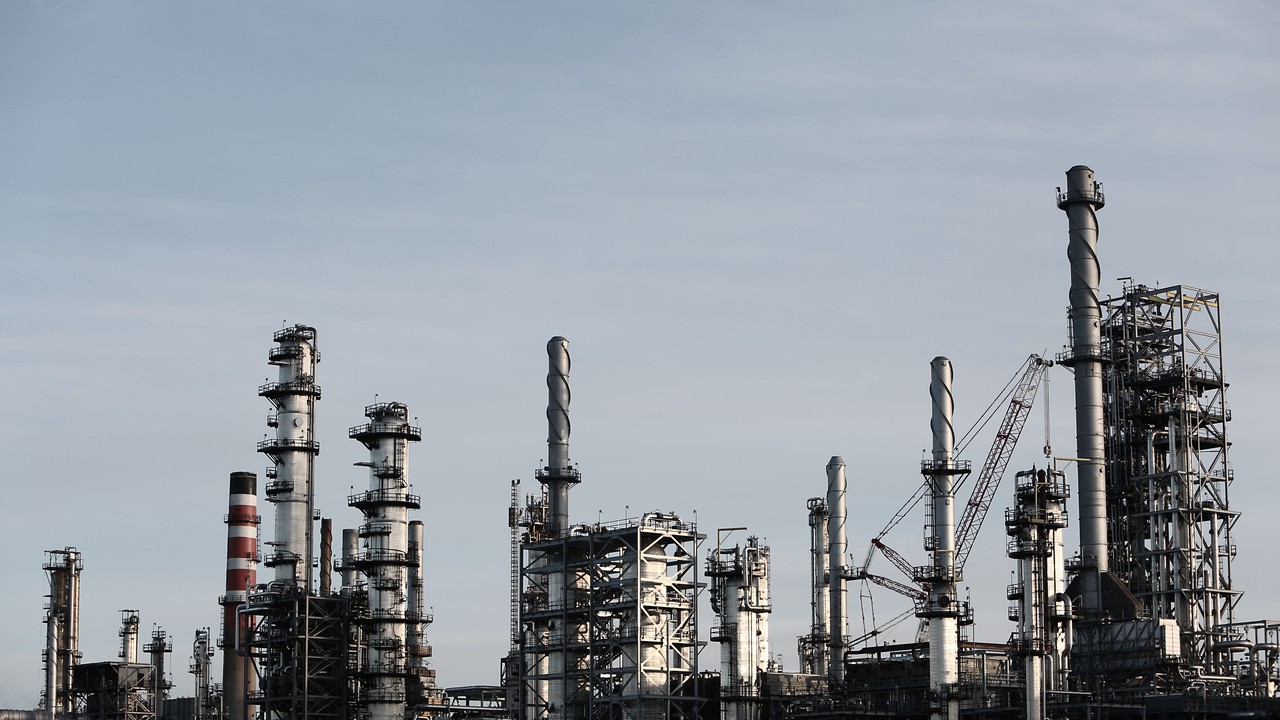
European Union naval force intercepts suspected Russian shadow fleet tanker MV Sun in Mediterranean
Photo: Life Of Pix / Pexels
The boarding marks the sixth EU interception of a suspected shadow fleet vessel in recent months as Brussels escalates its maritime enforcement of Russia sanctions.
The Italian Navy boarded a Cameroon-flagged oil tanker suspected of shuttling Russian crude in violation of EU sanctions on August 30, adding another chapter to Europe’s growing campaign against Moscow’s so-called shadow fleet.
The vessel, MV Sun, was intercepted south of Sicily by the ITS Paolo Thaon di Revel, the flagship of EU Naval Force Mediterranean Operation Irini. Crew from the Italian warship conducted a flag verification procedure under Article 110 of the UN Convention on the Law of the Sea, a legal mechanism that allows naval forces to board vessels whose registration appears questionable.
A growing pattern of enforcement
The MV Sun boarding represents the sixth time the EU has intercepted a vessel suspected of belonging to Russia’s shadow fleet in recent months.
The MV Sun itself is a Suezmax crude oil tanker built in 2005, with a gross tonnage of roughly 81,000 GT and deadweight tonnage of 159,000 DWT. The tanker has been under EU and UK sanctions since May 2025, specifically for its involvement in transporting Russian oil and petroleum products.
At the time of the interception, the MV Sun was reportedly sailing empty toward Skagen, a port at the northern tip of Denmark that serves as a common waypoint for vessels transiting between the North Sea and the Baltic.
The news moving money, markets, and the world—before your day starts.
Daily. Free. Join 34,000+ readers across crypto, finance, and policy.
Following the flag verification checks, no seizure or detention occurred. The tanker continued on its way.
The scale of Russia’s shadow fleet
Russia’s shadow fleet is not a handful of rogue vessels. The EU has sanctioned over 670 ships linked to the network, a sprawling armada of aging tankers, often lacking proper insurance and sailing under flags of convenience from countries with minimal regulatory oversight.
The fleet emerged as a direct response to Western sanctions imposed after Russia’s full-scale invasion of Ukraine in 2022. When the EU, US, and G7 allies introduced a $60-per-barrel price cap on Russian crude and banned most direct imports, Moscow built out a parallel maritime logistics chain using older tankers, obscure shell companies, and flag states willing to look the other way.
Operation Irini was originally launched in 2020 to enforce the UN arms embargo on Libya. Its mandate has since expanded to include inspections of vessels suspected of contributing to sanctions evasion, with shadow fleet inspections beginning in early 2026.
What comes next
EU defense ministers convened on September 1, just two days after the MV Sun boarding, to discuss further steps against the shadow fleet. The meeting was held in Ireland.
Disclosure: This article was edited by Editorial Team. For more information on how we create and review content, see our Editorial Policy.

