
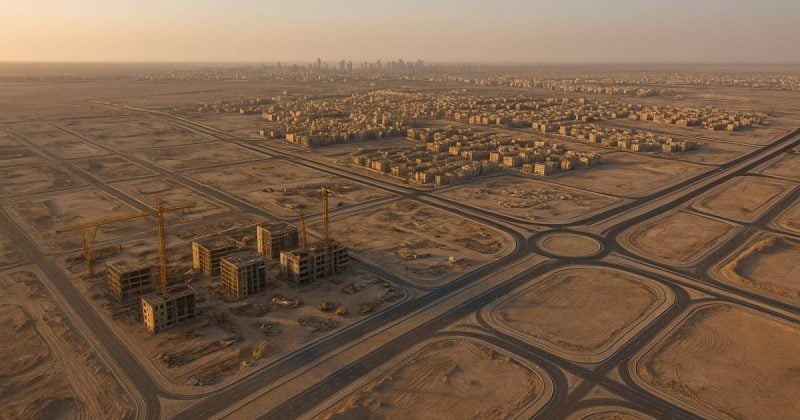
Iran attacks Kuwaiti infrastructure as US-Iran tensions escalate

https://highways.today/2025/04/28/kuwait-new-city-project/

Iran attacks Kuwaiti infrastructure as US-Iran tensions escalate

US-Iran final nuclear deal

Iran has launched attacks on water and power facilities in Kuwait in retaliation for recent US actions, as the conflict in the Middle East intensifies. This development comes as part of Iran’s response to the US and Israel’s Operation Epic Fury, which began earlier this year. The attack marks a significant escalation, targeting civilian infrastructure in a region hosting US military forces. Markets are reacting to this heightened tension with decreased confidence in reaching a US-Iran nuclear deal by mid-August, as the likelihood of diplomatic resolution appears to be waning.

US-Iran nuclear deal markets indicate a significant decrease in confidence, with probabilities of a deal by August 13, 2026, now standing at 1.6% and as low as 0.8% for a deal by July 31, 2026. This reflects an increasing view among observers that the recent military escalations and breakdown of a ceasefire have further complicated the already tenuous diplomatic efforts. The ongoing conflict appears to be steering both nations away from a potential agreement, as hostilities continue to rise.

Advertisement

The recent attack by Iran is seen as a direct challenge to US strategic positions in the Gulf, further complicating negotiations. While talks had previously shown some promise, the latest developments suggest that the window for a peaceful resolution may be narrowing, as both sides engage in retaliatory actions. Observers are closely monitoring the situation for any indications of renewed diplomatic engagement or further deterioration in relations.

Key Takeaways

  • Iran’s attack on Kuwaiti infrastructure suggests rising hostility and decreased likelihood of a US-Iran nuclear deal.
  • Market pricing reflects a significant decrease in confidence for an agreement by August 13, 2026, currently at 1.6% YES.
  • The escalation in military actions appears to undermine prospects for a diplomatic resolution in the near term.

What to Watch

Observers should monitor statements from key actors such as the US and Iranian negotiators for any indications of potential diplomatic breakthroughs or further conflict escalation. The response from international mediators, including the UN and Oman, could provide insights into future negotiations. Additionally, any changes in military posture or new sanctions could significantly impact the trajectory of negotiations and market perceptions.

Get live prediction-market analysis, powered by Vera. Sign up for Vera.

Disclosure: This article was edited by Estefano Gomez. For more information on how we create and review content, see our Editorial Policy.

Iran attacks Kuwaiti infrastructure as US-Iran tensions escalate

Iran attacks Kuwaiti infrastructure as US-Iran tensions escalate

US-Iran final nuclear deal

https://highways.today/2025/04/28/kuwait-new-city-project/

Iran has launched attacks on water and power facilities in Kuwait in retaliation for recent US actions, as the conflict in the Middle East intensifies. This development comes as part of Iran’s response to the US and Israel’s Operation Epic Fury, which began earlier this year. The attack marks a significant escalation, targeting civilian infrastructure in a region hosting US military forces. Markets are reacting to this heightened tension with decreased confidence in reaching a US-Iran nuclear deal by mid-August, as the likelihood of diplomatic resolution appears to be waning.

US-Iran nuclear deal markets indicate a significant decrease in confidence, with probabilities of a deal by August 13, 2026, now standing at 1.6% and as low as 0.8% for a deal by July 31, 2026. This reflects an increasing view among observers that the recent military escalations and breakdown of a ceasefire have further complicated the already tenuous diplomatic efforts. The ongoing conflict appears to be steering both nations away from a potential agreement, as hostilities continue to rise.

Advertisement

The recent attack by Iran is seen as a direct challenge to US strategic positions in the Gulf, further complicating negotiations. While talks had previously shown some promise, the latest developments suggest that the window for a peaceful resolution may be narrowing, as both sides engage in retaliatory actions. Observers are closely monitoring the situation for any indications of renewed diplomatic engagement or further deterioration in relations.

Key Takeaways

  • Iran’s attack on Kuwaiti infrastructure suggests rising hostility and decreased likelihood of a US-Iran nuclear deal.
  • Market pricing reflects a significant decrease in confidence for an agreement by August 13, 2026, currently at 1.6% YES.
  • The escalation in military actions appears to undermine prospects for a diplomatic resolution in the near term.

What to Watch

Observers should monitor statements from key actors such as the US and Iranian negotiators for any indications of potential diplomatic breakthroughs or further conflict escalation. The response from international mediators, including the UN and Oman, could provide insights into future negotiations. Additionally, any changes in military posture or new sanctions could significantly impact the trajectory of negotiations and market perceptions.

Get live prediction-market analysis, powered by Vera. Sign up for Vera.

Disclosure: This article was edited by Estefano Gomez. For more information on how we create and review content, see our Editorial Policy.