
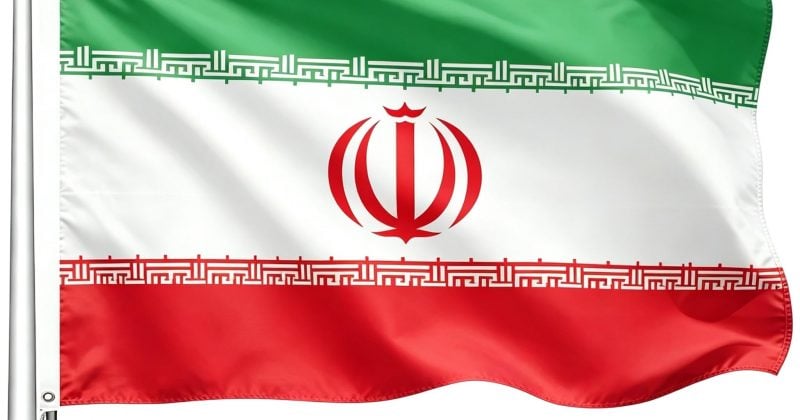
Iran insider warns Gulf states, Israel amid energy infrastructure tensions

https://www.amazon.com/Iran-FLAG/s?k=Iran+FLAG

Iran insider warns Gulf states, Israel amid energy infrastructure tensions

US-Iran deal in 2026

An insider from Iran has issued a warning to Gulf states and Israel, suggesting that they could become targets if Iran’s civilian infrastructure faces attacks. This development comes amid the ongoing conflict involving Iran, the United States, and Israel, which has already seen strikes on energy infrastructure in Iran and several Gulf states. Recent threats from Iran indicate a potential escalation, suggesting that the conflict may expand beyond military targets to include critical economic infrastructure.

This situation appears to be influencing prediction markets related to a potential US-Iran deal in 2026. The current geopolitical tensions and threats of broader retaliation are consistent with a decrease in the likelihood of a US-Iran deal that includes reconstruction funding. Markets seem to interpret the heightened tensions as detrimental to the prospects of reaching a diplomatic agreement this year.

Advertisement

Market odds for the inclusion of Iran reconstruction funding in a US-Iran deal have decreased slightly, with recent data showing a drop from 30% to 29% for the possibility of such terms being included. The potential for further escalation in the region could continue to impact these odds, as threats against Gulf states and Israel add uncertainty to the prospects of diplomatic progress.

Key Takeaways

  • The warning from an Iranian insider appears to suggest a potential escalation in the conflict, broadening targets to include Gulf states and Israel.
  • Market pricing suggests a decrease in the likelihood of a US-Iran deal including reconstruction funding, as indicated by the slight drop in YES odds.
  • The ongoing conflict and threats of retaliation are consistent with scenarios where diplomatic agreements become more challenging to achieve.

What to Watch

Observers should monitor any further developments in the conflict between Iran and its adversaries, particularly any additional threats or military actions that could influence diplomatic efforts. Key indicators include any new negotiations or diplomatic overtures that may suggest a shift in the current trajectory. Additionally, reactions from Gulf states and Israel, as well as statements from key actors like Donald Trump and Javad Zarif, could provide insights into the likelihood of a US-Iran deal in 2026.

Get live prediction-market analysis, powered by Vera. Sign up for Vera.

Disclosure: This article was edited by Estefano Gomez. For more information on how we create and review content, see our Editorial Policy.

Iran insider warns Gulf states, Israel amid energy infrastructure tensions

Iran insider warns Gulf states, Israel amid energy infrastructure tensions

US-Iran deal in 2026

https://www.amazon.com/Iran-FLAG/s?k=Iran+FLAG

An insider from Iran has issued a warning to Gulf states and Israel, suggesting that they could become targets if Iran’s civilian infrastructure faces attacks. This development comes amid the ongoing conflict involving Iran, the United States, and Israel, which has already seen strikes on energy infrastructure in Iran and several Gulf states. Recent threats from Iran indicate a potential escalation, suggesting that the conflict may expand beyond military targets to include critical economic infrastructure.

This situation appears to be influencing prediction markets related to a potential US-Iran deal in 2026. The current geopolitical tensions and threats of broader retaliation are consistent with a decrease in the likelihood of a US-Iran deal that includes reconstruction funding. Markets seem to interpret the heightened tensions as detrimental to the prospects of reaching a diplomatic agreement this year.

Advertisement

Market odds for the inclusion of Iran reconstruction funding in a US-Iran deal have decreased slightly, with recent data showing a drop from 30% to 29% for the possibility of such terms being included. The potential for further escalation in the region could continue to impact these odds, as threats against Gulf states and Israel add uncertainty to the prospects of diplomatic progress.

Key Takeaways

  • The warning from an Iranian insider appears to suggest a potential escalation in the conflict, broadening targets to include Gulf states and Israel.
  • Market pricing suggests a decrease in the likelihood of a US-Iran deal including reconstruction funding, as indicated by the slight drop in YES odds.
  • The ongoing conflict and threats of retaliation are consistent with scenarios where diplomatic agreements become more challenging to achieve.

What to Watch

Observers should monitor any further developments in the conflict between Iran and its adversaries, particularly any additional threats or military actions that could influence diplomatic efforts. Key indicators include any new negotiations or diplomatic overtures that may suggest a shift in the current trajectory. Additionally, reactions from Gulf states and Israel, as well as statements from key actors like Donald Trump and Javad Zarif, could provide insights into the likelihood of a US-Iran deal in 2026.

Get live prediction-market analysis, powered by Vera. Sign up for Vera.

Disclosure: This article was edited by Estefano Gomez. For more information on how we create and review content, see our Editorial Policy.