
Iran threatens to block Strait of Hormuz over frozen asset payments

https://en.wikipedia.org/wiki/Strait_of_Hormuz

Iran threatens to block Strait of Hormuz over frozen asset payments

US charges Hormuz fees

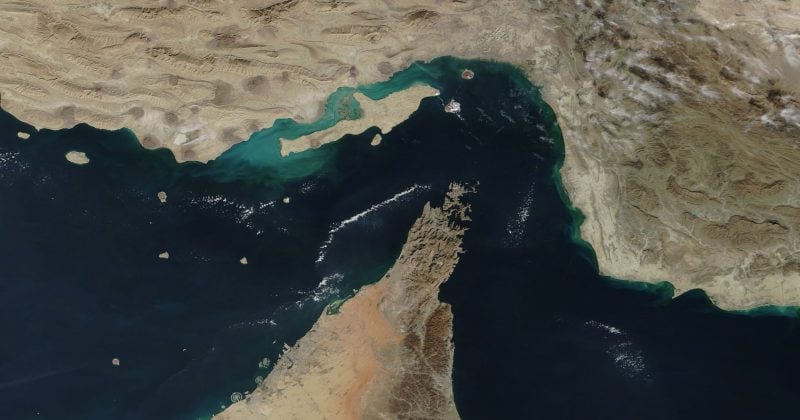
Iran’s armed forces have issued a warning that they will block passage through the Strait of Hormuz if companies accept payments from frozen Iranian assets, according to reports from @IranIntl_En. This development comes amid ongoing tensions between Iran and the United States regarding sanctions and maritime security in the region. The Strait of Hormuz, a vital waterway for global oil shipments, has been a recurring flashpoint in the long-standing confrontation between the two nations. The threat to block the strait indicates a potential escalation in the dispute, which has seen indirect negotiations through intermediaries like Qatar.

Advertisement

Key Takeaways

  • Iran’s latest threat to block the Strait of Hormuz appears to suggest heightened tensions and an escalation in the ongoing US-Iran confrontation over sanctions and maritime transit.
  • Market pricing for the possibility of the US charging fees for passage through the Strait of Hormuz by July 31 remains low, with the latest data showing only a 0.4% likelihood, consistent with Iran’s assertive stance.
  • The likelihood of Strait of Hormuz traffic returning to normal by August 31 has decreased, with market odds currently at 12.5%, down from 14% a day earlier, indicating concerns over potential disruptions.

What to Watch

Observers should monitor statements from key US and Iranian officials that could indicate shifts in policy or strategy regarding the Strait of Hormuz. Announcements from the Iranian presidency or US-Iran joint press conferences could suggest a de-escalation if they include plans for reopening the strait. Conversely, further affirmations from Iranian leaders about closing the strait could reinforce current market perceptions of continued risk and disruption. The situation remains fluid, with potential for significant developments in the coming weeks.

Get live prediction-market analysis, powered by Vera. Sign up for Vera.

Disclosure: This article was edited by Estefano Gomez. For more information on how we create and review content, see our Editorial Policy.

Iran threatens to block Strait of Hormuz over frozen asset payments

Iran threatens to block Strait of Hormuz over frozen asset payments

US charges Hormuz fees

https://en.wikipedia.org/wiki/Strait_of_Hormuz

Iran’s armed forces have issued a warning that they will block passage through the Strait of Hormuz if companies accept payments from frozen Iranian assets, according to reports from @IranIntl_En. This development comes amid ongoing tensions between Iran and the United States regarding sanctions and maritime security in the region. The Strait of Hormuz, a vital waterway for global oil shipments, has been a recurring flashpoint in the long-standing confrontation between the two nations. The threat to block the strait indicates a potential escalation in the dispute, which has seen indirect negotiations through intermediaries like Qatar.

Advertisement

Key Takeaways

  • Iran’s latest threat to block the Strait of Hormuz appears to suggest heightened tensions and an escalation in the ongoing US-Iran confrontation over sanctions and maritime transit.
  • Market pricing for the possibility of the US charging fees for passage through the Strait of Hormuz by July 31 remains low, with the latest data showing only a 0.4% likelihood, consistent with Iran’s assertive stance.
  • The likelihood of Strait of Hormuz traffic returning to normal by August 31 has decreased, with market odds currently at 12.5%, down from 14% a day earlier, indicating concerns over potential disruptions.

What to Watch

Observers should monitor statements from key US and Iranian officials that could indicate shifts in policy or strategy regarding the Strait of Hormuz. Announcements from the Iranian presidency or US-Iran joint press conferences could suggest a de-escalation if they include plans for reopening the strait. Conversely, further affirmations from Iranian leaders about closing the strait could reinforce current market perceptions of continued risk and disruption. The situation remains fluid, with potential for significant developments in the coming weeks.

Get live prediction-market analysis, powered by Vera. Sign up for Vera.

Disclosure: This article was edited by Estefano Gomez. For more information on how we create and review content, see our Editorial Policy.