
Malaysia considers limited exports of unprocessed rare earths to boost supply chain leverage

Via thejakartapost.com

Malaysia considers limited exports of unprocessed rare earths to boost supply chain leverage

The Southeast Asian nation is weighing selective raw rare earth exports while maintaining its broader ban, positioning itself as a critical alternative to Chinese dominance in the sector.

Malaysia has maintained a ban on raw rare earth element exports since October 2025, a policy aimed at forcing value-adding activity onto Malaysian soil. The country now appears open to carving out exceptions that would strengthen its position in an increasingly geopolitical supply chain.

The rare earth chess match

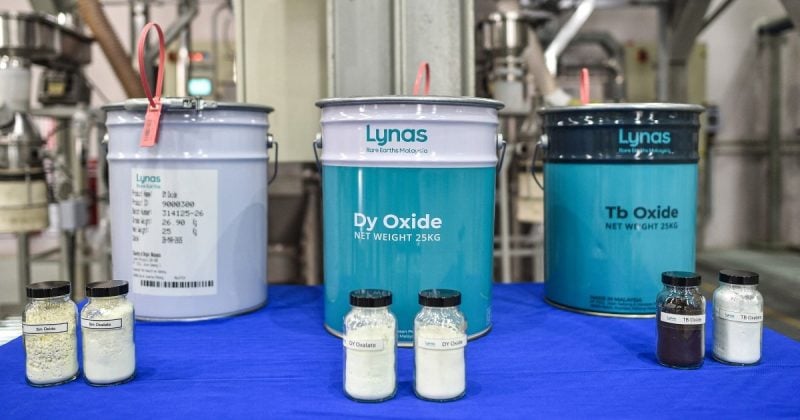
Malaysia sits on an estimated 16.1 million metric tons of rare earth deposits, making it the third-largest holder globally. In 2025, Malaysia became the first non-Chinese producer of dysprosium oxide, a heavy rare earth element essential for permanent magnets used in electric vehicles and wind turbines. China controls over 85% of global rare earth processing.

Advertisement

International partnerships and price floors

Malaysia signed a critical minerals Memorandum of Understanding with the United States in 2025, and in July 2026 it struck new partnerships with France’s Carester and Belgian entities focused on processing technology transfers and rare earth separation plants.

American firms have secured offtake agreements with Malaysian operations, including price floors set at $110 per kilogram for certain rare earth oxides. Lynas, the Australian mining company that operates rare earth processing facilities in Malaysia, has been a primary beneficiary of these arrangements.

Why China’s grip matters

Malaysia’s potential to supply as much as 20% of the non-Chinese heavy rare earth market makes it a meaningful alternative that reduces the risk of total supply disruption.

What this means for investors

The establishment of price floors through US offtake agreements creates a more predictable revenue environment for companies operating in Malaysia. The partnerships with European entities suggest Malaysia is building a diversified customer base rather than simply becoming a US-aligned supplier.

Malaysia’s track record with Lynas operations, which have faced periodic local opposition over environmental concerns, suggests the path forward won’t be entirely smooth. Investors positioning around Malaysia’s rare earth ambitions should watch for concrete facility construction timelines and actual production volumes rather than memorandums of understanding.

Disclosure: This article was edited by Editorial Team. For more information on how we create and review content, see our Editorial Policy.

Malaysia considers limited exports of unprocessed rare earths to boost supply chain leverage

Malaysia considers limited exports of unprocessed rare earths to boost supply chain leverage

The Southeast Asian nation is weighing selective raw rare earth exports while maintaining its broader ban, positioning itself as a critical alternative to Chinese dominance in the sector.

Via thejakartapost.com

Malaysia has maintained a ban on raw rare earth element exports since October 2025, a policy aimed at forcing value-adding activity onto Malaysian soil. The country now appears open to carving out exceptions that would strengthen its position in an increasingly geopolitical supply chain.

The rare earth chess match

Malaysia sits on an estimated 16.1 million metric tons of rare earth deposits, making it the third-largest holder globally. In 2025, Malaysia became the first non-Chinese producer of dysprosium oxide, a heavy rare earth element essential for permanent magnets used in electric vehicles and wind turbines. China controls over 85% of global rare earth processing.

Advertisement

International partnerships and price floors

Malaysia signed a critical minerals Memorandum of Understanding with the United States in 2025, and in July 2026 it struck new partnerships with France’s Carester and Belgian entities focused on processing technology transfers and rare earth separation plants.

American firms have secured offtake agreements with Malaysian operations, including price floors set at $110 per kilogram for certain rare earth oxides. Lynas, the Australian mining company that operates rare earth processing facilities in Malaysia, has been a primary beneficiary of these arrangements.

Why China’s grip matters

Malaysia’s potential to supply as much as 20% of the non-Chinese heavy rare earth market makes it a meaningful alternative that reduces the risk of total supply disruption.

What this means for investors

The establishment of price floors through US offtake agreements creates a more predictable revenue environment for companies operating in Malaysia. The partnerships with European entities suggest Malaysia is building a diversified customer base rather than simply becoming a US-aligned supplier.

Malaysia’s track record with Lynas operations, which have faced periodic local opposition over environmental concerns, suggests the path forward won’t be entirely smooth. Investors positioning around Malaysia’s rare earth ambitions should watch for concrete facility construction timelines and actual production volumes rather than memorandums of understanding.

Disclosure: This article was edited by Editorial Team. For more information on how we create and review content, see our Editorial Policy.