The tech giant is pouring billions into data center campuses across the US, and the scale of spending has broader implications for how capital flows through tech and crypto markets alike.
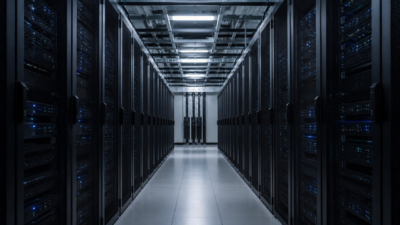
Meta is building data centers the way some people collect sneakers: compulsively, expensively, and with no signs of slowing down. The company is now investing $10 billion into an AI data center campus in El Paso, Texas, with plans to bring it online by 2028 at a capacity of 1 gigawatt.
That’s a dramatic escalation from what started as a $1.5 billion commitment. In other words, the budget increased roughly sixfold.
The full scope of Meta’s building spree
El Paso isn’t the only project on Meta’s dance card. The company has at least three massive data center campuses in various stages of development across the US.
In Richland Parish, Louisiana, Meta announced a $10 billion AI-optimized campus back in December 2024. That facility spans 4 million square feet on a 2,250-acre site, making it the company’s largest campus to date.
Then there’s Lebanon, Indiana, where another campus with a price tag exceeding $10 billion broke ground in February 2026. That project features 13 buildings, 10 of which are dedicated data centers, with operations expected by late 2027 or early 2028.
Add it all up and Meta is committing north of $30 billion across just these three locations. The company’s total capital expenditure for 2026 could reach $135 billion.
What this means for crypto investors
Meta hasn’t linked any of these data center projects to blockchain, cryptocurrency, or decentralized computing. The company that once tried to launch its own digital currency, Libra (later renamed Diem), appears to have moved decisively toward foundational AI infrastructure instead.
The El Paso campus alone targets 1 gigawatt of capacity, enough to power roughly 750,000 homes. As these facilities come online across the US, they’ll intensify debates around energy consumption, grid capacity, and sustainable computing, the same debates that have dogged Bitcoin mining for years.