
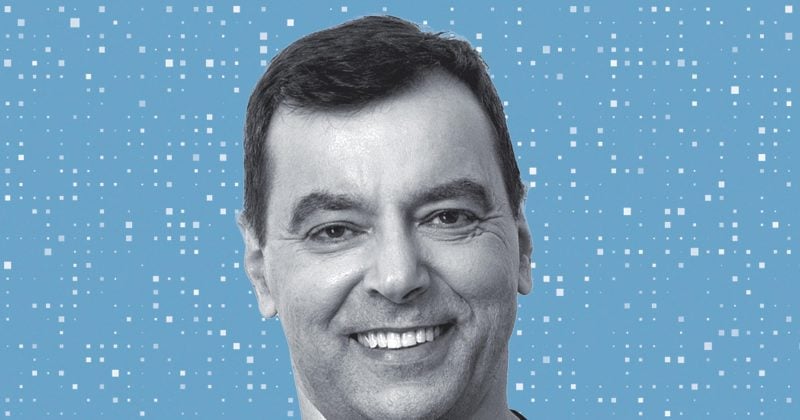
Mobileye CEO Amnon Shashua steps down after building autonomous driving giant from Intel’s $15.3B bet
The founder who turned a computer vision startup into an autonomous driving powerhouse is handing over the keys, leaving Mobileye at a crossroads in the AI-driven mobility race.
Amnon Shashua, the founder who built Mobileye into one of the most consequential companies in autonomous driving, is stepping down as CEO. The announcement, made on July 23, marks the end of an era for a company that Intel bought for $15.3 billion in 2017, the largest acquisition in Israeli history at the time.
Shashua isn’t being pushed out. This is a planned leadership transition, with the founder still listed as President and CEO on Mobileye’s website as details of the handoff take shape.
From academic project to $15 billion acquisition
Mobileye started as a research project and grew into the supplier behind the driver-assistance systems in tens of millions of vehicles worldwide. When Intel came knocking in 2017 with a $15.3 billion offer, it wasn’t just buying a chip company. It was buying a head start in the race toward fully autonomous vehicles.
After the acquisition, Intel kept Shashua in the driver’s seat, appointing him as a senior vice president within the broader Intel organization. Under his continued leadership, Mobileye expanded from advanced driver-assistance systems (ADAS) into full-blown robotaxi technology.
The capstone of that semi-independence came in October 2022, when Mobileye went public again on Nasdaq under the ticker MBLY. It was a rare move: a subsidiary relisting on public markets while still majority-owned by its parent company.
AI, tech, and the markets they move—in one daily briefing.
Daily. Free. Join 34,000+ readers across crypto, finance, and policy.
A $900 million robotics bet and the AI pivot
In January 2026, Mobileye acquired Mentee Robotics for $900 million, a deal that included $612 million in cash along with additional considerations. Mentee Robotics, a company focused on AI-powered humanoid robots, represented a significant expansion of Mobileye’s ambitions beyond the road and into the broader robotics landscape.
Why the timing matters
For Mobileye, the question now is whether the company’s identity is fundamentally tied to its founder. Shashua’s continued involvement in various AI initiatives, including co-founding other tech ventures, suggests he’s not retiring from the industry.
What this means for investors
MBLY shareholders should watch for three things in the coming months. First, who gets the CEO job. A technical leader from within Mobileye signals continuity. An outside hire from the automotive or semiconductor industry signals a strategic pivot. Second, watch how Intel’s remaining ownership stake factors into the transition. Intel’s own financial pressures could accelerate a further sell-down of its Mobileye position, which would put downward pressure on shares regardless of operational performance.
Third, watch the Mentee Robotics integration. That $900 million acquisition was Shashua’s last big strategic bet. Whether the new CEO doubles down on that vision or quietly de-emphasizes it will tell investors everything they need to know about where Mobileye is headed.