
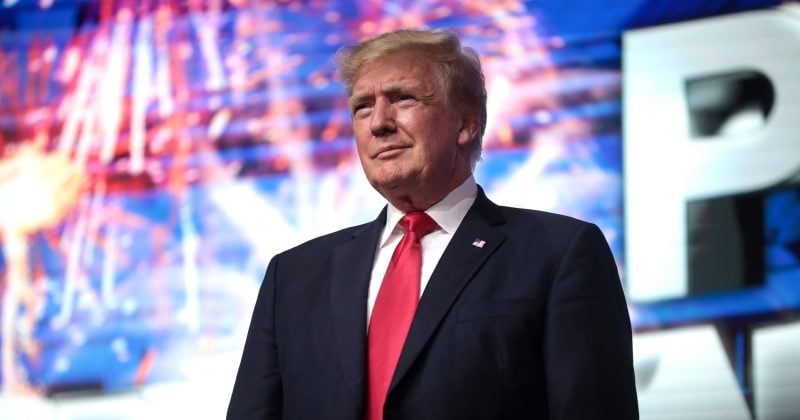
President Donald Trump’s vow to weaken Iran extends to military and regional influence, say experts

https://es.wikipedia.org/wiki/Donald_Trump

President Donald Trump’s vow to weaken Iran extends to military and regional influence, say experts

US-Iran deal in 2026

President Donald Trump’s recent statements suggest an expansive U.S. strategy aimed at undermining Iran’s military capability and regional influence, according to experts. This approach appears to extend beyond Tehran’s nuclear ambitions, encompassing missile forces, naval power, and proxy networks. The Trump administration’s strategy has reportedly included considerations of military strikes on strategic Iranian targets, including energy sites and missile installations. This period of heightened U.S.-Iran tensions reflects a broader coercive strategy rather than limited deterrence, potentially complicating diplomatic efforts.

Advertisement

Key Takeaways

  • Trump’s strategy appears to encompass a broader agenda to weaken Iran’s military and regional influence, not just its nuclear program.
  • Market pricing suggests a decrease in the likelihood of Iran Reconstruction Funding being included in a US-Iran deal in 2026.
  • The U.S. military posture around strategic areas like the Strait of Hormuz indicates an escalation beyond traditional airstrikes.

What to Watch

Observers should monitor any military actions in strategic areas like the Strait of Hormuz, which could indicate further escalation. Diplomatic developments, such as potential negotiations or statements from key figures like Iranian Foreign Minister Javad Zarif and U.S. Chief Negotiator Mike Vance, may indicate shifts in the likelihood of a deal. Additionally, responses from Iran and regional actors, including potential countermeasures, could influence market perceptions about the feasibility of a US-Iran agreement.

Get live prediction-market analysis, powered by Vera. Sign up for Vera.

Disclosure: This article was edited by Estefano Gomez. For more information on how we create and review content, see our Editorial Policy.

President Donald Trump’s vow to weaken Iran extends to military and regional influence, say experts

President Donald Trump’s vow to weaken Iran extends to military and regional influence, say experts

US-Iran deal in 2026

https://es.wikipedia.org/wiki/Donald_Trump

President Donald Trump’s recent statements suggest an expansive U.S. strategy aimed at undermining Iran’s military capability and regional influence, according to experts. This approach appears to extend beyond Tehran’s nuclear ambitions, encompassing missile forces, naval power, and proxy networks. The Trump administration’s strategy has reportedly included considerations of military strikes on strategic Iranian targets, including energy sites and missile installations. This period of heightened U.S.-Iran tensions reflects a broader coercive strategy rather than limited deterrence, potentially complicating diplomatic efforts.

Advertisement

Key Takeaways

  • Trump’s strategy appears to encompass a broader agenda to weaken Iran’s military and regional influence, not just its nuclear program.
  • Market pricing suggests a decrease in the likelihood of Iran Reconstruction Funding being included in a US-Iran deal in 2026.
  • The U.S. military posture around strategic areas like the Strait of Hormuz indicates an escalation beyond traditional airstrikes.

What to Watch

Observers should monitor any military actions in strategic areas like the Strait of Hormuz, which could indicate further escalation. Diplomatic developments, such as potential negotiations or statements from key figures like Iranian Foreign Minister Javad Zarif and U.S. Chief Negotiator Mike Vance, may indicate shifts in the likelihood of a deal. Additionally, responses from Iran and regional actors, including potential countermeasures, could influence market perceptions about the feasibility of a US-Iran agreement.

Get live prediction-market analysis, powered by Vera. Sign up for Vera.

Disclosure: This article was edited by Estefano Gomez. For more information on how we create and review content, see our Editorial Policy.