
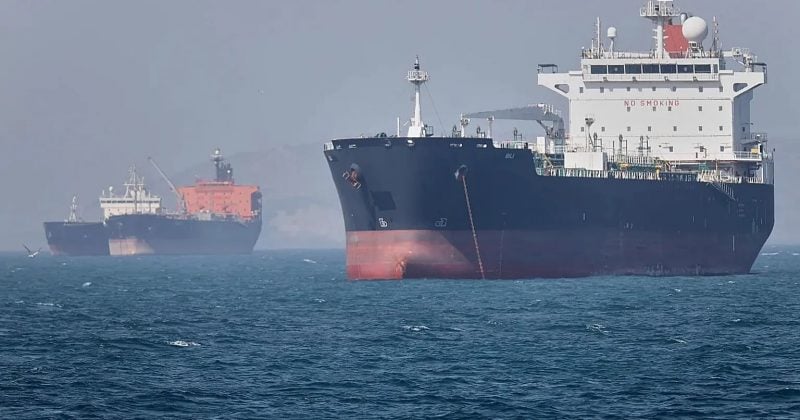
Saudi supertankers navigate Hormuz after US-Iran deal framework signed

https://www.euronews.com/2026/06/17/iranian-oil-tankers-pass-us-blockade-ahead-of-peace-deal-signing-ceremony

Saudi supertankers navigate Hormuz after US-Iran deal framework signed

Strait of Hormuz traffic normal by July 31

Three Saudi-flagged supertankers are currently navigating the Strait of Hormuz, according to ship-tracking data following the signing of a US-Iran deal framework. This development is seen as a significant move amid ongoing negotiations and efforts to stabilize the region, known for its importance in global oil traffic. The movement of these tankers suggests a tentative easing of tensions and a potential normalization of commercial shipping activities through this strategic passage. However, concerns over security and the full normalization of traffic persist, given the historical volatility in the area.

Advertisement

Key Takeaways

  • The transit of Saudi-flagged supertankers through Hormuz appears to indicate a cautious resumption of shipping activities following the US-Iran deal.
  • Market pricing suggests a potential increase in confidence that the Strait of Hormuz traffic could normalize by July 31.
  • Despite the movement of tankers, the broader security situation around Hormuz remains unresolved, with ongoing mine-clearing operations noted.

What to Watch

Observers will be closely monitoring further tanker movements and announcements from key stakeholders, such as the US Navy and Iranian authorities, that may indicate a shift towards normalized traffic. The resolution of the “Strait of Hormuz traffic returns to normal by July 31” market will depend on consistent shipping activity and reduced operational risks. Additionally, any new developments concerning military deployments or geopolitical tensions in the area could impact the current market outlook.

Get prediction market intelligence as a structured API feed. Early access waitlist.

Disclosure: This article was edited by Estefano Gomez. For more information on how we create and review content, see our Editorial Policy.

Saudi supertankers navigate Hormuz after US-Iran deal framework signed

Saudi supertankers navigate Hormuz after US-Iran deal framework signed

Strait of Hormuz traffic normal by July 31

https://www.euronews.com/2026/06/17/iranian-oil-tankers-pass-us-blockade-ahead-of-peace-deal-signing-ceremony

Three Saudi-flagged supertankers are currently navigating the Strait of Hormuz, according to ship-tracking data following the signing of a US-Iran deal framework. This development is seen as a significant move amid ongoing negotiations and efforts to stabilize the region, known for its importance in global oil traffic. The movement of these tankers suggests a tentative easing of tensions and a potential normalization of commercial shipping activities through this strategic passage. However, concerns over security and the full normalization of traffic persist, given the historical volatility in the area.

Advertisement

Key Takeaways

  • The transit of Saudi-flagged supertankers through Hormuz appears to indicate a cautious resumption of shipping activities following the US-Iran deal.
  • Market pricing suggests a potential increase in confidence that the Strait of Hormuz traffic could normalize by July 31.
  • Despite the movement of tankers, the broader security situation around Hormuz remains unresolved, with ongoing mine-clearing operations noted.

What to Watch

Observers will be closely monitoring further tanker movements and announcements from key stakeholders, such as the US Navy and Iranian authorities, that may indicate a shift towards normalized traffic. The resolution of the “Strait of Hormuz traffic returns to normal by July 31” market will depend on consistent shipping activity and reduced operational risks. Additionally, any new developments concerning military deployments or geopolitical tensions in the area could impact the current market outlook.

Get prediction market intelligence as a structured API feed. Early access waitlist.

Disclosure: This article was edited by Estefano Gomez. For more information on how we create and review content, see our Editorial Policy.