
Spain’s World Cup win highlights why major sporting events are becoming crypto’s biggest marketing battleground
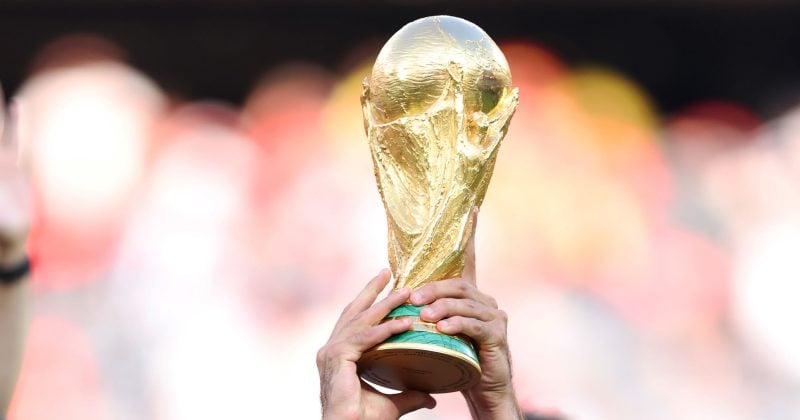
As Spain lifts the 2026 FIFA World Cup trophy, the crypto industry's deep entanglement with global football continues to reshape how digital asset firms reach billions of eyeballs.
Spain defeated Argentina 1-0 in extra time to win the 2026 FIFA World Cup at New York New Jersey Stadium on July 19, making 65-year-old coach Luis de la Fuente the oldest manager ever to lift the trophy. Substitute Ferran Torres scored the only goal of the match, delivering Spain their second World Cup title after their 2010 triumph.
The 2022 Qatar tournament saw crypto firms like Crypto.com and Algorand serve as official sponsors, despite launching those deals near the peak of a brutal bear market. The 2026 tournament, hosted across the US, Canada, and Mexico, offered an even more strategically valuable audience for Web3 companies trying to crack the US market.
De la Fuente’s historic run and the economics of attention
Luis de la Fuente took over Spain’s national team in December 2022 after their exit from the Qatar World Cup. In roughly three and a half years, he assembled one of the most dominant runs in international football history: the UEFA Nations League title, UEFA Euro 2024, and now the World Cup. That’s an unprecedented treble for a men’s national team coach.
At 65, de la Fuente surpassed the record previously held by Vicente del Bosque, who guided Spain to their first World Cup in 2010.
The final itself had additional drama. Argentina reportedly played with a reduced squad after a red card during the match.
The news moving money, markets, and the world—before your day starts.
Daily. Free. Join 34,000+ readers across crypto, finance, and policy.
Why crypto keeps doubling down on football
Fan token platforms like Socios have signed deals with dozens of major clubs. Exchange giants have paid for stadium naming rights from LA to Singapore.
The 2026 World Cup’s North American footprint made it especially attractive. The US remains the single most important regulatory and commercial market for crypto. The tournament featured an expanded 48-team format generating more matches than any previous World Cup.
What this means for investors
For crypto market participants, the World Cup cycle has become a reliable indicator of marketing spend trends among major exchanges and Web3 platforms. When those same companies pull back from sports deals, as several did during the 2023 downturn, it often foreshadows broader financial stress.
Binance, Crypto.com, OKX, and several others have all used football sponsorships as proxies for brand legitimacy in markets where direct advertising faces regulatory friction.