
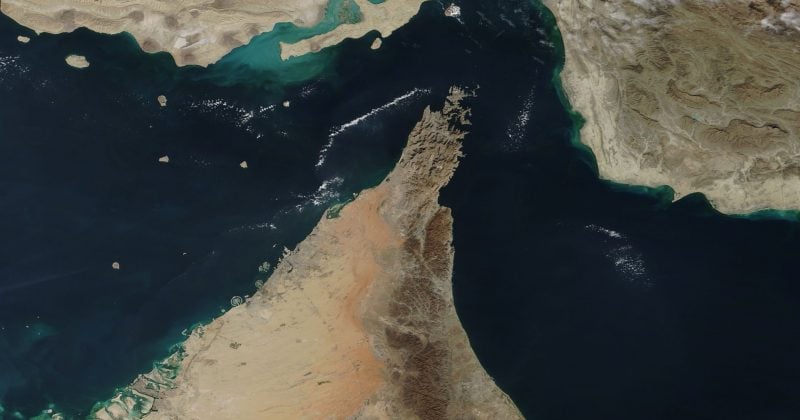
Trump says he will prevent Iran from charging tolls to pass through the hormuz strait

https://en.wikipedia.org/wiki/Strait_of_Hormuz

Trump says he will prevent Iran from charging tolls to pass through the hormuz strait

Iran Hormuz fees

In a recent statement, former U.S. President Donald Trump declared his intention to stop Iran from imposing tolls on vessels passing through the strategically crucial Strait of Hormuz. This area is a vital corridor for global oil shipments and has been at the center of heightened tensions between Iran and the United States. Trump’s remarks come amid ongoing military and diplomatic standoffs, as the U.S. works to counter Iran’s asserted control over the strait. The former president’s comments are seen as an indication of potential U.S. intervention, which could impact Iran’s plans to charge fees for passage through the waterway.

Advertisement

Key Takeaways

  • Trump’s statement appears to suggest a potential U.S. military or diplomatic intervention to prevent Iran from charging tolls in the Strait of Hormuz.
  • Market activity indicates a decrease in the likelihood of Iran implementing these fees by the end of August, with the August 31 sub-market priced at 22.5% YES.
  • The situation remains fluid, with the possibility of escalating tensions impacting market pricing further.

What to Watch

Observers will be closely monitoring any official announcements from U.S. officials or military movements in the region, as these could indicate a shift in the likelihood of Iran enforcing tolls. Additionally, statements from Iranian authorities or actions by the IRGC (Islamic Revolutionary Guard Corps) could further influence market perceptions. Continued diplomatic negotiations or any formal agreements between the U.S. and Iran may indicate a de-escalation, impacting the probabilities of fee implementation.

Get live prediction-market analysis, powered by Vera. Sign up for Vera.

Disclosure: This article was edited by Estefano Gomez. For more information on how we create and review content, see our Editorial Policy.

Trump says he will prevent Iran from charging tolls to pass through the hormuz strait

Trump says he will prevent Iran from charging tolls to pass through the hormuz strait

Iran Hormuz fees

https://en.wikipedia.org/wiki/Strait_of_Hormuz

In a recent statement, former U.S. President Donald Trump declared his intention to stop Iran from imposing tolls on vessels passing through the strategically crucial Strait of Hormuz. This area is a vital corridor for global oil shipments and has been at the center of heightened tensions between Iran and the United States. Trump’s remarks come amid ongoing military and diplomatic standoffs, as the U.S. works to counter Iran’s asserted control over the strait. The former president’s comments are seen as an indication of potential U.S. intervention, which could impact Iran’s plans to charge fees for passage through the waterway.

Advertisement

Key Takeaways

  • Trump’s statement appears to suggest a potential U.S. military or diplomatic intervention to prevent Iran from charging tolls in the Strait of Hormuz.
  • Market activity indicates a decrease in the likelihood of Iran implementing these fees by the end of August, with the August 31 sub-market priced at 22.5% YES.
  • The situation remains fluid, with the possibility of escalating tensions impacting market pricing further.

What to Watch

Observers will be closely monitoring any official announcements from U.S. officials or military movements in the region, as these could indicate a shift in the likelihood of Iran enforcing tolls. Additionally, statements from Iranian authorities or actions by the IRGC (Islamic Revolutionary Guard Corps) could further influence market perceptions. Continued diplomatic negotiations or any formal agreements between the U.S. and Iran may indicate a de-escalation, impacting the probabilities of fee implementation.

Get live prediction-market analysis, powered by Vera. Sign up for Vera.

Disclosure: This article was edited by Estefano Gomez. For more information on how we create and review content, see our Editorial Policy.