
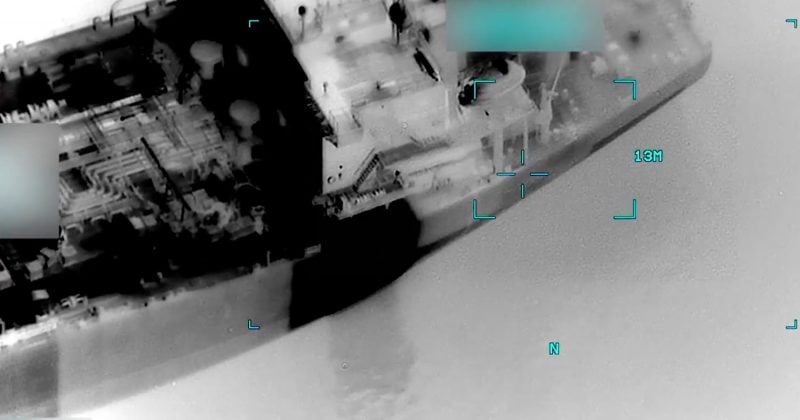
A U.S. airstrike in the Gulf of Oman has targeted the MT Settebello, a tanker allegedly breaching a U.S.-imposed naval blockade on Iranian ports, resulting in the deaths of three Indian sailors. The incident marks the first confirmed fatalities since the U.S. began enforcing the blockade amid ongoing hostilities with Iran. The U.S. Central Command (CENTCOM) stated the strike used precision munitions after the vessel’s crew failed to comply with orders. In response, India has lodged a diplomatic protest and heightened alert for its maritime forces to ensure the safety of Indian seafarers in the region.
Key Takeaways
- The airstrike appears to increase regional tensions, with potential implications for maritime security in the Gulf of Oman.
- Market activity suggests an elevated likelihood of Houthi forces targeting shipping, consistent with increased geopolitical unrest.
- Observers note the heightened alert status of Indian maritime forces, which may influence future diplomatic and military actions.
What to Watch
The recent strike and the ensuing diplomatic tensions could lead to further developments in maritime security, notably involving the Houthis. Markets appear to view the period leading up to July 31 as critical, with implied probabilities of Houthi targeting activity rising sharply. Watch for statements from Houthi leadership or further military actions by regional powers, which could be consistent with scenarios leading to heightened shipping risks. Additionally, any new ceasefire agreements or successful interceptions of Houthi attacks could impact market perceptions.