
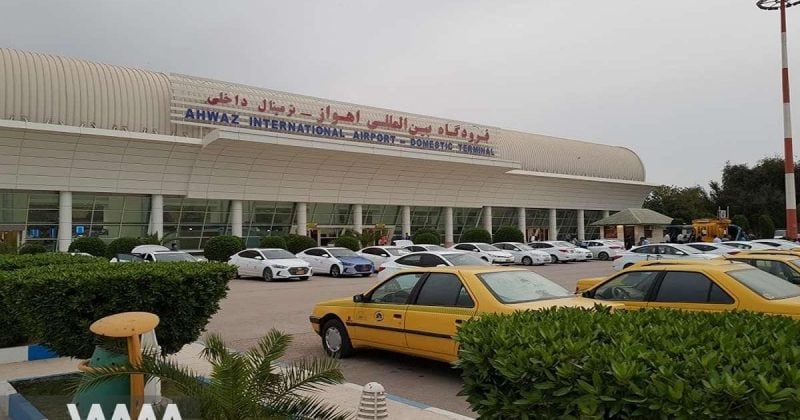
US strikes hit Ahvaz Airport amid rising tensions with Iran

https://wanaen.com/airstrikes-hit-ahvaz-international-airport-and-western-districts/

US strikes hit Ahvaz Airport amid rising tensions with Iran

Iran full airspace closure

Iranian media has confirmed a strike on Shahid Soleimani International Airport in Ahvaz amid escalating tensions between the United States and Iran. The incident is part of ongoing U.S. retaliation strikes against Iranian targets following the recent collapse of a ceasefire. These military actions are concentrated along the southern coastline, with a focus on the strategic Strait of Hormuz region. The strike on the airport has raised concerns about potential further escalations in the conflict, although no casualties have been reported so far.

Advertisement

Key Takeaways

  • Market activity suggests that the confirmed strike on Ahvaz Airport increases the likelihood of a full Iranian airspace closure, with probabilities for such a closure by July 31 rising sharply in recent days.
  • The conflict’s intensifying nature appears to influence expectations related to Iran’s control over its airspace, particularly as U.S. strikes target significant infrastructure.
  • The odds of Iran committing not to attack ships in the Strait of Hormuz have significantly decreased, reflecting a diminished expectation of immediate de-escalation.

What to Watch

Observers will closely monitor any statements from the Civil Aviation Organization of Iran regarding potential airspace closure, which would be consistent with heightened military tensions. Additionally, diplomatic efforts to revive peace talks may influence market expectations, especially if new agreements or ceasefire terms are announced. Any further U.S. military actions or Iranian responses could also impact the likelihood of airspace restrictions or broader conflict developments.

Get live prediction-market analysis, powered by Vera. Sign up for Vera.

Disclosure: This article was edited by Estefano Gomez. For more information on how we create and review content, see our Editorial Policy.

US strikes hit Ahvaz Airport amid rising tensions with Iran

US strikes hit Ahvaz Airport amid rising tensions with Iran

Iran full airspace closure

https://wanaen.com/airstrikes-hit-ahvaz-international-airport-and-western-districts/

Iranian media has confirmed a strike on Shahid Soleimani International Airport in Ahvaz amid escalating tensions between the United States and Iran. The incident is part of ongoing U.S. retaliation strikes against Iranian targets following the recent collapse of a ceasefire. These military actions are concentrated along the southern coastline, with a focus on the strategic Strait of Hormuz region. The strike on the airport has raised concerns about potential further escalations in the conflict, although no casualties have been reported so far.

Advertisement

Key Takeaways

  • Market activity suggests that the confirmed strike on Ahvaz Airport increases the likelihood of a full Iranian airspace closure, with probabilities for such a closure by July 31 rising sharply in recent days.
  • The conflict’s intensifying nature appears to influence expectations related to Iran’s control over its airspace, particularly as U.S. strikes target significant infrastructure.
  • The odds of Iran committing not to attack ships in the Strait of Hormuz have significantly decreased, reflecting a diminished expectation of immediate de-escalation.

What to Watch

Observers will closely monitor any statements from the Civil Aviation Organization of Iran regarding potential airspace closure, which would be consistent with heightened military tensions. Additionally, diplomatic efforts to revive peace talks may influence market expectations, especially if new agreements or ceasefire terms are announced. Any further U.S. military actions or Iranian responses could also impact the likelihood of airspace restrictions or broader conflict developments.

Get live prediction-market analysis, powered by Vera. Sign up for Vera.

Disclosure: This article was edited by Estefano Gomez. For more information on how we create and review content, see our Editorial Policy.