
US Mission to UAE urges Americans to consider leaving as Middle East tensions ratchet higher

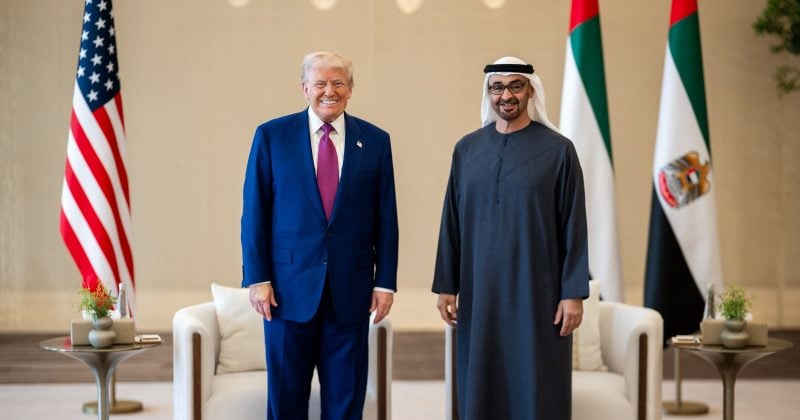
Photo: Daniel Torok / White House

US Mission to UAE urges Americans to consider leaving as Middle East tensions ratchet higher

The latest State Department advisory signals deepening regional instability, with potential ripple effects across energy, commodities, and risk-asset markets including crypto.

The US Embassy in Abu Dhabi and the Consulate General in Dubai issued a security alert on August 1, advising American citizens in the Middle East to consider departing or at least prepare for a quick exit.

What’s happening on the ground

Back in March 2026, the State Department issued advisories across 14 countries, including the UAE, telling US citizens to “DEPART NOW.” That language reflected the severity of safety risks tied to ongoing US- and Israel-linked airstrikes against Iran.

Advertisement

By March 4, the US government had begun coordinating evacuation flights from the UAE to Europe for registered citizens. Since then, commercial flight availability out of the UAE has tightened considerably, with restrictions on ticketed passengers becoming more common through mid-2026.

The latest advisory asks Americans still in the region to monitor commercial flight options closely. For those who can’t leave, the guidance is to shelter in place.

The macro transmission mechanism

The Middle East sits at the center of global energy supply chains. Energy price volatility has already been a secondary concern throughout this conflict cycle.

Energy, the dollar, and the risk calculus

The UAE is one of the world’s largest oil producers, and any disruption to its output or shipping infrastructure would send shockwaves through global commodity markets. Higher energy costs would also directly impact Bitcoin mining economics, particularly for operations in regions with energy-sensitive cost structures.

What crypto investors should watch

Traders should monitor several signals closely. Oil futures curves will reveal whether the market expects sustained disruption or a temporary spike. The VIX will indicate whether traditional equity investors are repositioning. And on-chain data, particularly stablecoin flows and exchange deposits, will show whether crypto-native participants are de-risking.

Disclosure: This article was edited by Editorial Team. For more information on how we create and review content, see our Editorial Policy.

US Mission to UAE urges Americans to consider leaving as Middle East tensions ratchet higher

US Mission to UAE urges Americans to consider leaving as Middle East tensions ratchet higher

The latest State Department advisory signals deepening regional instability, with potential ripple effects across energy, commodities, and risk-asset markets including crypto.

Photo: Daniel Torok / White House

The US Embassy in Abu Dhabi and the Consulate General in Dubai issued a security alert on August 1, advising American citizens in the Middle East to consider departing or at least prepare for a quick exit.

What’s happening on the ground

Back in March 2026, the State Department issued advisories across 14 countries, including the UAE, telling US citizens to “DEPART NOW.” That language reflected the severity of safety risks tied to ongoing US- and Israel-linked airstrikes against Iran.

Advertisement

By March 4, the US government had begun coordinating evacuation flights from the UAE to Europe for registered citizens. Since then, commercial flight availability out of the UAE has tightened considerably, with restrictions on ticketed passengers becoming more common through mid-2026.

The latest advisory asks Americans still in the region to monitor commercial flight options closely. For those who can’t leave, the guidance is to shelter in place.

The macro transmission mechanism

The Middle East sits at the center of global energy supply chains. Energy price volatility has already been a secondary concern throughout this conflict cycle.

Energy, the dollar, and the risk calculus

The UAE is one of the world’s largest oil producers, and any disruption to its output or shipping infrastructure would send shockwaves through global commodity markets. Higher energy costs would also directly impact Bitcoin mining economics, particularly for operations in regions with energy-sensitive cost structures.

What crypto investors should watch

Traders should monitor several signals closely. Oil futures curves will reveal whether the market expects sustained disruption or a temporary spike. The VIX will indicate whether traditional equity investors are repositioning. And on-chain data, particularly stablecoin flows and exchange deposits, will show whether crypto-native participants are de-risking.

Disclosure: This article was edited by Editorial Team. For more information on how we create and review content, see our Editorial Policy.