
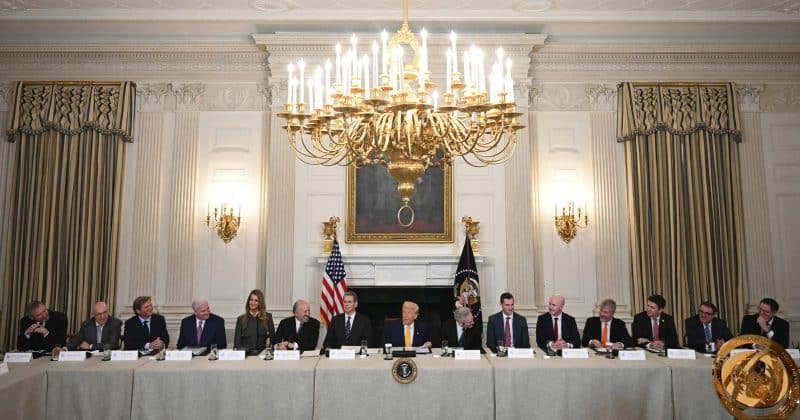
White House Crypto Council brings law enforcement to the table on Clarity Act concerns
Meetings between administration officials, congressional staff, and law enforcement focused on whether developer protections could inadvertently shield bad actors
The White House held a series of meetings in early June bringing together law enforcement officials, administration staff, and congressional representatives to hash out concerns about the Digital Asset Market Clarity Act. The central worry: that provisions designed to protect blockchain developers might also give cover to criminals.
The meetings, held June 8-10, represent a notable shift in tone for an administration that has largely positioned itself as pro-crypto.
What’s actually in the bill, and why cops care
The Clarity Act aims to sort out one of crypto’s longest-running jurisdictional headaches. It would hand primary oversight of digital commodity spot markets to the Commodity Futures Trading Commission, while the Securities and Exchange Commission retains limited authority.
Embedded within the broader legislation is the Blockchain Regulatory Certainty Act, or BRCA, introduced in January 2026 by Senators Cynthia Lummis and Ron Wyden. The BRCA creates a safe harbor for developers who don’t control user funds, exempting them from being classified as money transmitters.
That distinction matters enormously. Money transmitter classification comes with a mountain of compliance obligations, including know-your-customer requirements and anti-money laundering protocols.
Macro, rates, and crypto—what moved markets and what matters next.
Daily. Free. Join 34,000+ readers across crypto, finance, and policy.
The political math behind the meetings
The Clarity Act cleared the Senate Banking Committee the prior month and appears headed for a full Senate vote. Several Democratic lawmakers have signaled they won’t support the bill unless law enforcement concerns are adequately addressed.
The BRCA, filed as S. 3611, carries bipartisan DNA thanks to the Lummis-Wyden pairing. Industry lobbyists have been running their own parallel campaign, including town halls and engagement sessions featuring former law enforcement officials who now work in the crypto sector.
The Clarity Act’s House version, H.R. 3633, already passed the House in 2025. The Senate is the final legislative hurdle before the bill lands on the president’s desk.
What this means for investors
The CFTC gaining primary authority over digital commodity markets would represent a meaningful structural change. The CFTC has generally been viewed as a more industry-friendly regulator than the SEC, which spent much of the past several years pursuing enforcement actions against crypto companies.
The fact that no specific cryptocurrencies or tokens were highlighted during the meetings is telling. This wasn’t about picking winners and losers among individual assets. It was about the regulatory infrastructure that will determine how the entire market operates for years to come.