
ASML says AI chip demand will outrun its supply in 2027 and 2028

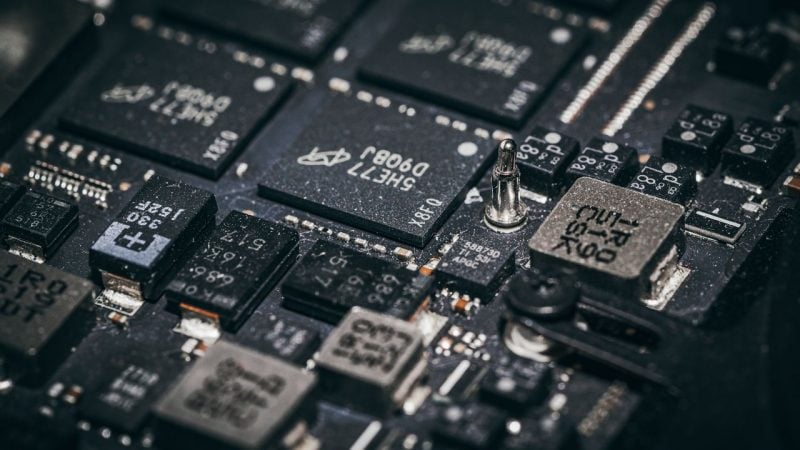
Photo: Jakub Pabis / Pexels

ASML says AI chip demand will outrun its supply in 2027 and 2028

The Dutch lithography giant posted record third-quarter results and raised its 2026 guidance as customers line up orders into 2029 and 2030

ASML just told the world it cannot build machines fast enough. The Dutch company says customer demand will exceed its supply in both 2027 and 2028, driven by the global rush to build AI infrastructure.

The forecast arrived alongside ASML’s third-quarter results on October 14, 2026. Those numbers set records, and the company raised its full-year outlook. Chipmakers, meanwhile, are already trying to lock in equipment for the end of the decade.

Record quarter, bigger forecast

ASML posted record net sales of €11.66 billion for the third quarter. Net income came in at €4.96 billion.

The company also lifted its 2026 full-year net sales guidance to between €44 billion and €45 billion. That revision reflects both strong execution and customers committing more heavily to its most advanced tools, including High-NA EUV systems.

Fourth-quarter guidance looks even stronger. ASML expects sales between €14.2 billion and €15.2 billion, with gross margin of around 57%.

Advertisement

Supply is the bottleneck now

The headline figure is the supply gap. ASML says its current production plans will not satisfy customer demand in 2027 or 2028.

The company already moved to address this once. In July 2026, ASML announced a 30% increase in production capacity.

That apparently was not enough. ASML is now considering further capacity increases for 2028.

CEO Christophe Fouquet said customer demand forecasts are rising significantly. He also pointed to substantial order interest stretching into 2029 and 2030.

Why one company holds the keys

ASML remains the sole producer of EUV lithography machines. Anyone who wants to make leading-edge chips, including the processors and memory that power AI systems, needs ASML equipment.

Major customers have made that dependence clear. TSMC and Samsung have both reaffirmed confidence in ASML’s technology, emphasizing how central EUV machines have become to producing advanced logic and memory chips.

High-NA EUV takes the technology a step further. These next-generation systems are designed for even finer chip features, and increased customer commitment to them helped drive ASML’s raised guidance.

What this means for investors and the chip industry

For ASML shareholders, the near-term story is about visibility. Order interest extending into 2029 and 2030 gives the company an unusually long runway of expected demand.

The roughly 57% gross margin guided for the fourth quarter reflects the leverage that comes with being the sole EUV supplier.

Still, a demand surplus cuts both ways. If ASML cannot ship enough machines, some revenue simply gets pushed into later years rather than captured now.

The key items to monitor are straightforward. First, whether ASML formally commits to further capacity increases for 2028 beyond the 30% boost announced in July. Second, whether fourth-quarter results land within the €14.2 billion to €15.2 billion range and confirm the €44 billion to €45 billion full-year figure. Third, how quickly orders for 2029 and 2030 convert from interest into firm commitments.

Disclosure: This article was edited by Diego Almada Lopez. For more information on how we create and review content, see our Editorial Policy.
ASML says AI chip demand will outrun its supply in 2027 and 2028

The Dutch lithography giant posted record third-quarter results and raised its 2026 guidance as customers line up orders into 2029 and 2030

Photo: Jakub Pabis / Pexels

ASML just told the world it cannot build machines fast enough. The Dutch company says customer demand will exceed its supply in both 2027 and 2028, driven by the global rush to build AI infrastructure.

The forecast arrived alongside ASML’s third-quarter results on October 14, 2026. Those numbers set records, and the company raised its full-year outlook. Chipmakers, meanwhile, are already trying to lock in equipment for the end of the decade.

Record quarter, bigger forecast

ASML posted record net sales of €11.66 billion for the third quarter. Net income came in at €4.96 billion.

The company also lifted its 2026 full-year net sales guidance to between €44 billion and €45 billion. That revision reflects both strong execution and customers committing more heavily to its most advanced tools, including High-NA EUV systems.

Fourth-quarter guidance looks even stronger. ASML expects sales between €14.2 billion and €15.2 billion, with gross margin of around 57%.

Advertisement

Supply is the bottleneck now

The headline figure is the supply gap. ASML says its current production plans will not satisfy customer demand in 2027 or 2028.

The company already moved to address this once. In July 2026, ASML announced a 30% increase in production capacity.

That apparently was not enough. ASML is now considering further capacity increases for 2028.

CEO Christophe Fouquet said customer demand forecasts are rising significantly. He also pointed to substantial order interest stretching into 2029 and 2030.

Why one company holds the keys

ASML remains the sole producer of EUV lithography machines. Anyone who wants to make leading-edge chips, including the processors and memory that power AI systems, needs ASML equipment.

Major customers have made that dependence clear. TSMC and Samsung have both reaffirmed confidence in ASML’s technology, emphasizing how central EUV machines have become to producing advanced logic and memory chips.

High-NA EUV takes the technology a step further. These next-generation systems are designed for even finer chip features, and increased customer commitment to them helped drive ASML’s raised guidance.

What this means for investors and the chip industry

For ASML shareholders, the near-term story is about visibility. Order interest extending into 2029 and 2030 gives the company an unusually long runway of expected demand.

The roughly 57% gross margin guided for the fourth quarter reflects the leverage that comes with being the sole EUV supplier.

Still, a demand surplus cuts both ways. If ASML cannot ship enough machines, some revenue simply gets pushed into later years rather than captured now.

The key items to monitor are straightforward. First, whether ASML formally commits to further capacity increases for 2028 beyond the 30% boost announced in July. Second, whether fourth-quarter results land within the €14.2 billion to €15.2 billion range and confirm the €44 billion to €45 billion full-year figure. Third, how quickly orders for 2029 and 2030 convert from interest into firm commitments.

Disclosure: This article was edited by Diego Almada Lopez. For more information on how we create and review content, see our Editorial Policy.