China’s military keeps shopping for Nvidia’s most advanced AI chips
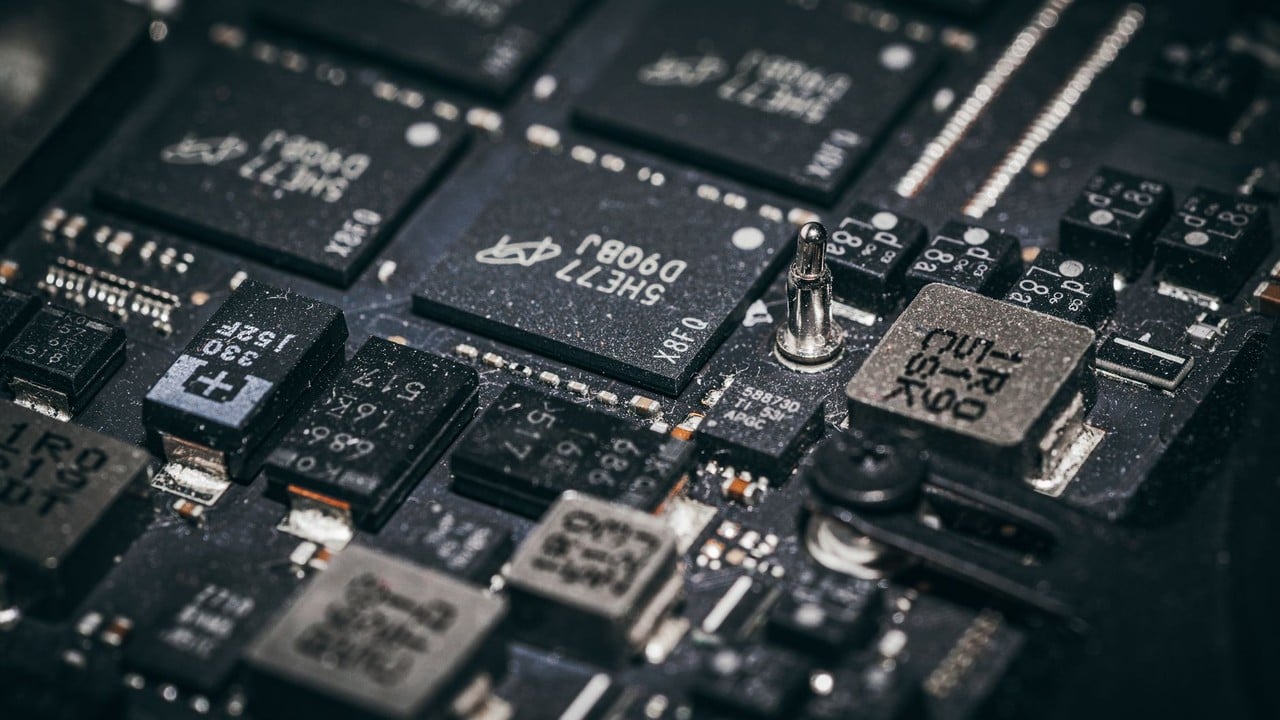
Photo: Jakub Pabis / Pexels
Procurement records show PLA-linked buyers repeatedly seeking A100, H100, H800 and H200 chips despite US export controls
China’s People’s Liberation Army wants Nvidia’s best AI hardware. Washington has spent years trying to make sure it can’t have it.
A review of more than 3,800 Chinese government procurement records covering 2019 to 2025 turned up over 500 instances of PLA units seeking Nvidia’s top-tier chips. The listed uses range from cybersecurity to nuclear simulations to AI development. Export controls, it turns out, are less a locked door and more a strongly worded sign.
What the records show
The chips on the PLA’s shopping list read like Nvidia’s greatest hits: the A100, H100, H800 and H200.
Many of the purchase attempts reportedly went through intermediaries or domestic Chinese suppliers. That routing is the key detail. It suggests buyers were working around the US export restrictions that tightened sharply in 2022, rather than simply ignoring them.
The demand did not stop when the rules got stricter. Public documents show Chinese military entities continuing to seek Nvidia products despite the controls. The research also indicates those efforts are expected to continue into 2026.
One case stands out. In October, Northwestern Polytechnical University, an institution already under US sanctions, procured two H200 chips. It also secured five rental contracts for advanced Nvidia computing.
Those rental contracts matter as much as the purchase. Renting compute means a buyer can tap powerful chips without ever taking delivery of the hardware.
The scale of the gray market
The numbers around Nvidia’s China business show how much money sits on the other side of the policy fight.
The crypto and markets news you actually need—every morning.
Daily. Free. Join 34,000+ readers across crypto, finance, and policy.
Nvidia recorded $2.4 billion in sales of Hopper data-center products to China for the quarter ending October 25. The company then stopped those shipments on November 18.
Meanwhile, approximately 600,000 H200 chips are reportedly sitting in Hong Kong as of early November, waiting for approval to move into mainland China.
In mid-November, the US Commerce Department put in place new rules that require licenses for advanced AI chip shipments to certain Southeast Asian countries.
The target is remote access. The concern is that chips housed outside China can still serve Chinese users over the network, which makes physical export controls easier to sidestep.
Background: a long game of whack-a-mole
The US began restricting advanced AI chip exports to China in earnest in 2022. Some of the models in these procurement records, such as the H800, were themselves versions designed for the Chinese market under earlier rules. Each round of regulation has been followed by new products, new routing and new loopholes, followed by new regulation.
The procurement data adds a paper trail to what had largely been an argument about intent. It shows specific PLA units asking for specific chips for specific military purposes, over a span of years.
What this means
For Nvidia investors, the immediate issue is China revenue that can vanish on a regulator’s timeline. A business line that brought in $2.4 billion in a single quarter is now paused.
For policymakers, the records underline an enforcement problem. Banning direct sales is the easy part. Tracking resellers, intermediaries, rental arrangements and offshore data centers is much harder, and the reported Hong Kong stockpile shows how much inventory can accumulate in the gaps.
What to watch next: whether the approximately 600,000 H200 chips reportedly held in Hong Kong ever receive approval to move, how strictly the new Southeast Asia licensing rules are enforced, and whether Nvidia’s China shipments resume at all.
The 500-plus procurement requests indicate the PLA has been patient about it.
Disclosure: This article was edited by John Chen. For more information on how we create and review content, see our Editorial Policy.

