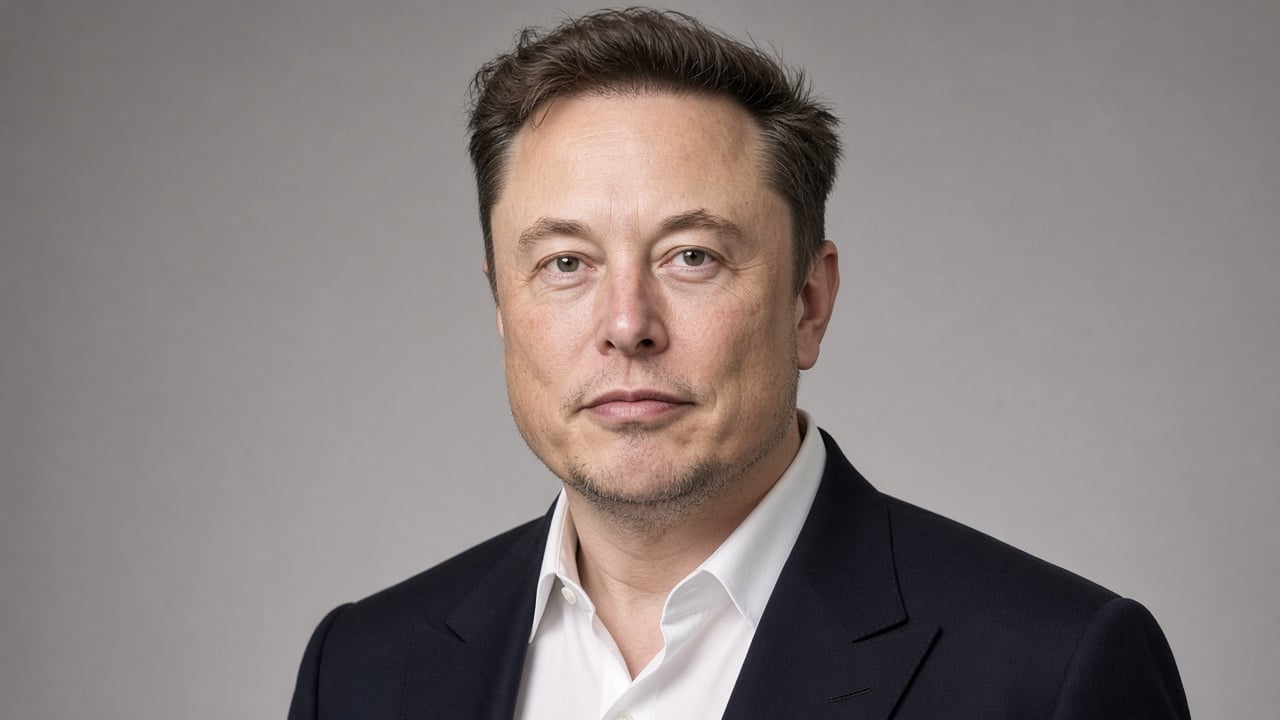
Elon Musk warns AI industry faces a cash crunch in 2027
Musk says delays in turning purchased compute into revenue could force the sector to find hundreds of billions in extra working capital
Elon Musk thinks the AI boom is about to hit a very old-fashioned problem: running out of cash before the money starts coming in.
Musk says the AI industry will need hundreds of billions of dollars next year just to cover costs before its computing investments turn profitable. The comment drops a sobering note into a sector that has spent the past few years treating capital as if it grows on server racks.
The warning came on November 21, 2026, during a conversation on X with AI researcher François Chollet. Musk described a looming cash shortage for the sector in 2027, rooted in a mismatch between when companies pay for compute and when that compute actually earns money.
The working capital gap
The core of Musk’s argument is about timing, not demand.
Musk argued that even short delays of just a few months in converting paid-for computing resources into revenue-generating assets could push the industry’s need for additional working capital into the hundreds of billions of dollars.
For AI firms, the upfront costs are enormous. GPUs have to be bought, data centers built, and power secured long before a single customer pays for a model query.
Musk has also flagged physical limits on how quickly that compute can come online. He has previously cited power and infrastructure constraints as a drag on AI compute growth, and has said he is aiming for more than 10 GW of new capacity in 2027.
AI, tech, and the markets they move—in one daily briefing.
Daily. Free. Join 34,000+ readers across crypto, finance, and policy.
Debt markets are getting picky
In October 2026, Musk disclosed that SpaceX had closed roughly $40 billion in debt financing, mostly earmarked for GPU purchases expected to be deployed in early 2027.
At the same time, Musk said debt markets had largely shut down for neocloud providers, the newer cloud companies that rent out AI computing power, if they lack meaningful revenue outside of AI data centers.
Musk went further, predicting a wave of consolidation or outright failures among more than 200 firms in the AI data center space. He tied that outlook to weakening investor confidence and tighter credit conditions.
Goldman Sachs data showed nearly $600 billion in global AI-related debt issuance year to date through late 2026, with AI capital expenditures nearing $1 trillion for the year.
What this means
For investors, the warning shifts attention from growth to liquidity. The question is no longer only which AI company has the best model, but which one can fund itself through a cash-hungry 2027.
The neocloud segment deserves the closest watch. Musk’s view that debt markets have largely closed to providers without revenue beyond AI data centers suggests the sector’s weakest balance sheets could be tested first.
The hardware supply chain sits at the center of all this. Limited GPU availability and delays in getting power connected are exactly the kinds of bottlenecks that stretch the gap between spending and revenue that Musk described.
There is also a tension worth noting. The industry is borrowing at a historic pace, with nearly $600 billion in AI-related debt issued through late 2026, according to Goldman Sachs, yet Musk is effectively saying even that may not be enough to bridge the timing gap.
Key signals to track in the months ahead include how AI-related debt issuance trends into 2027, whether more neocloud providers report funding trouble, and how quickly big GPU orders like SpaceX’s actually come online and start generating revenue. If deployments slip, the cash pressure Musk warned about would likely intensify.
Disclosure: This article was edited by Diego Almada Lopez. For more information on how we create and review content, see our Editorial Policy.

