
Nexo Earn with Nexo
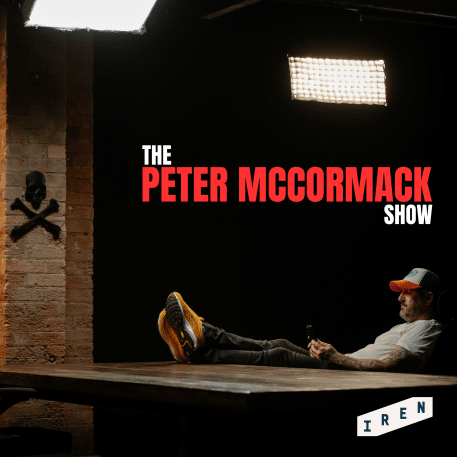
Frank Wright: Political dissenters are labeled extremists, mainstream media excludes ordinary voices, and societal institutions are in decline | The Peter McCormack Show

Frank Wright: Political dissenters are labeled extremists, mainstream media excludes ordinary voices, and societal institutions are in decline | The Peter McCormack Show

Britain's political climate reveals a growing disconnect between reality and public discourse, urging urgent institutional reform.

Key Takeaways

  • The political establishment often labels dissenters as extremists to suppress opposing views.
  • Mainstream media frequently excludes the perspectives of ordinary citizens, impacting political engagement.
  • A refusal to acknowledge the decline of societal institutions stems from a system-created alternative reality.
  • Major police forces face scrutiny for inadequate crime investigations, highlighting law enforcement failures.
  • The liberal system manipulates personal identity, leading individuals to support harmful political agendas.
  • Viewing those influenced by the liberal system as victims rather than enemies can reduce societal division.
  • Early childhood development is crucial, and outsourcing childcare can weaken essential parental bonds.
  • Inflation disproportionately benefits the super rich, negatively affecting the broader population.
  • The current ideological system was intentionally designed, contradicting perceptions of natural evolution.
  • Ideology’s pervasive nature makes it appear normal, obscuring its influence on societal beliefs.
  • The decline of British institutions requires urgent reform to restore national identity and stability.
  • Frank Wright advocates for a collective effort to reclaim working-class dignity and address liberal democracy’s failures.
  • The political climate in Britain is marked by a disconnect between reality and public discourse.
  • Systemic issues contribute to the public’s skewed perception of reality, complicating political solutions.
  • Empathy and understanding are vital in addressing the divisions created by political ideologies.

Guest intro

Frank Wright is a British writer and commentator at Country Squire Magazine, where he writes on politics, culture, and national identity. He has gained wider attention for arguing that “reality is radicalising people,” a theme that has resonated in debates about Britain’s decline, immigration, and institutional failure.

The suppression of dissent in political discourse

  • The political establishment labels those who notice the harsh realities as extremists to silence them

    — Frank Wright

  • Dissenters are often marginalized by being labeled as radicals or extremists.
  • If you basically notice the facts about the awful reality these people our political establishment have created for us they call you a nutter or an extremist

    — Frank Wright

  • This tactic is used to maintain control over public discourse and suppress alternative viewpoints.
  • The suppression of dissent reflects a broader issue in the relationship between the public and political leaders.
  • Understanding the current political climate is essential to grasp the dynamics of public discourse in Britain.
  • This suppression contributes to the public’s skewed perception of reality and complicates political solutions.
  • The labeling of dissenters as extremists is a significant barrier to meaningful political reform.

Media exclusion and its impact on democracy

  • The media systematically excludes the viewpoints of ordinary people, contributing to the current political crisis

    — Frank Wright

  • Mainstream media often fails to represent the perspectives of the common populace.
  • Those points of view of the ordinary common people are systematically excluded from the media

    — Frank Wright

  • This exclusion leads to a disconnect between the media narrative and the public’s concerns.
  • The lack of representation in media contributes to political disengagement and apathy.
  • Understanding the media landscape is crucial for recognizing its impact on public perception.
  • This issue highlights a fundamental critique of media representation in democratic societies.
  • The exclusion of ordinary viewpoints undermines the democratic process and informed decision-making.
  • Addressing media bias is essential for fostering a more inclusive and representative political environment.

The decline of societal institutions and public perception

  • The refusal to acknowledge the decline of societal institutions is a product of an alternative reality created by the system

    Advertisement

    — Frank Wright

  • Many people are motivated to ignore the decline of institutions due to systemic influences.
  • In order not to see that you have to be motivated not to see it

    — Frank Wright

  • This alternative reality prevents individuals from recognizing and addressing systemic issues.
  • The disconnect between perceived reality and actual conditions hinders effective reform.
  • Understanding the broader societal context is necessary to address these challenges.
  • The decline of institutions is a critical issue that requires urgent attention and reform.
  • Systemic issues contribute to the public’s skewed perception of reality, complicating political solutions.
  • Recognizing and addressing the decline of institutions is vital for restoring public trust and stability.

Law enforcement failures and societal decline

  • Major police forces are being investigated for failing to investigate crimes effectively

    — Frank Wright

  • Law enforcement agencies face scrutiny for inadequate responses to crime.
  • The police routinely don’t catch criminals

    — Frank Wright

  • This failure undermines public safety and trust in law enforcement.
  • Knowledge of current issues within law enforcement is essential for understanding societal decline.
  • The investigation of police forces highlights systemic issues within the justice system.
  • Addressing law enforcement failures is crucial for restoring public confidence and safety.
  • Effective crime investigation is a fundamental aspect of maintaining societal order and stability.
  • The decline of law enforcement effectiveness contributes to broader societal challenges.

The manipulation of identity and political agendas

  • The liberal system has manipulated people’s self-worth and identity, leading them to support destructive political projects

    — Frank Wright

  • Political ideologies can shape personal identity and societal values.
  • Everything they believe in and they’ve based their personality on that

    — Frank Wright

  • This manipulation leads individuals to support harmful political agendas.
  • Understanding the historical context of political techniques is crucial for addressing these issues.
  • The liberal system’s influence on identity highlights the complexity of political discourse.
  • Viewing those influenced by the system as victims can reduce societal division.
  • Empathy and understanding are vital in addressing the divisions created by political ideologies.
  • Addressing the manipulation of identity is essential for fostering a more inclusive political environment.

Early childhood development and parental involvement

  • The first three years of life are vital for a child’s development, and outsourcing childcare undermines the maternal bond

    — Frank Wright

  • Parental involvement is crucial for early childhood development.
  • The first three years of life is vital that babies have mommy and dad ideally as much as possible

    — Frank Wright

  • Outsourcing childcare can weaken essential maternal bonds.
  • Understanding the importance of early childhood development is critical for long-term societal well-being.
  • The implications of outsourcing childcare highlight the need for supportive family policies.
  • Addressing the challenges of early childhood development is crucial for fostering healthy societies.
  • Parental involvement in early childhood has long-term effects on individual and societal outcomes.
  • Supporting families in providing early childhood care is essential for promoting societal stability.

Economic disparities and the impact of inflation

  • Inflation benefits the super rich while hollowing out the lives of everyone else

    — Frank Wright

  • Inflation disproportionately affects different socioeconomic classes.
  • Inflation is the enemy of everybody apart from the super rich

    — Frank Wright

  • The super rich benefit from inflation, while others face negative consequences.
  • Understanding economic principles is essential for addressing inflation’s impact.
  • Addressing economic disparities is crucial for promoting equitable societal outcomes.
  • Inflation’s impact highlights the need for policies that address socioeconomic inequalities.
  • Economic discussions must consider the disparate effects of inflation on different groups.
  • Promoting economic equity requires addressing the root causes of inflation and its consequences.

The intentional design of ideological systems

  • The current ideological system was deliberately created rather than having naturally evolved

    — Frank Wright

  • Many perceive the political system as a natural evolution, but it was intentionally designed.
  • The reason why we tend to think that the system we have now is just naturally evolved

    — Frank Wright

  • Understanding the historical context of the international liberal system is crucial.
  • Challenging perceptions of natural evolution highlights the intentionality behind political systems.
  • Recognizing the design of ideological systems is essential for addressing their impact on society.
  • Addressing the intentional design of systems requires a critical examination of historical influences.
  • Understanding the origins of political systems is vital for promoting informed political discourse.
  • Recognizing the intentionality behind systems can lead to more effective political reform.

The invisibility of pervasive ideology

  • The pervasive nature of ideology makes it invisible, leading people to accept it as normal

    — Frank Wright

  • Ideology’s pervasive nature obscures its influence on societal beliefs.
  • When ideology is totally it is invisible

    — Frank Wright

  • People often accept pervasive ideologies as normal without questioning them.
  • Knowledge of how ideology operates is crucial for understanding its impact on society.
  • Addressing the invisibility of ideology requires critical examination of societal beliefs.
  • Recognizing the influence of ideology is essential for fostering informed public discourse.
  • Understanding ideology’s impact is vital for promoting critical thinking and societal progress.
  • Challenging pervasive ideologies can lead to more inclusive and representative political environments.
Disclosure: This article was edited by Editorial Team. For more information on how we create and review content, see our Editorial Policy.

Frank Wright: Political dissenters are labeled extremists, mainstream media excludes ordinary voices, and societal institutions are in decline | The Peter McCormack Show

Frank Wright: Political dissenters are labeled extremists, mainstream media excludes ordinary voices, and societal institutions are in decline | The Peter McCormack Show

Britain's political climate reveals a growing disconnect between reality and public discourse, urging urgent institutional reform.

Key Takeaways

  • The political establishment often labels dissenters as extremists to suppress opposing views.
  • Mainstream media frequently excludes the perspectives of ordinary citizens, impacting political engagement.
  • A refusal to acknowledge the decline of societal institutions stems from a system-created alternative reality.
  • Major police forces face scrutiny for inadequate crime investigations, highlighting law enforcement failures.
  • The liberal system manipulates personal identity, leading individuals to support harmful political agendas.
  • Viewing those influenced by the liberal system as victims rather than enemies can reduce societal division.
  • Early childhood development is crucial, and outsourcing childcare can weaken essential parental bonds.
  • Inflation disproportionately benefits the super rich, negatively affecting the broader population.
  • The current ideological system was intentionally designed, contradicting perceptions of natural evolution.
  • Ideology’s pervasive nature makes it appear normal, obscuring its influence on societal beliefs.
  • The decline of British institutions requires urgent reform to restore national identity and stability.
  • Frank Wright advocates for a collective effort to reclaim working-class dignity and address liberal democracy’s failures.
  • The political climate in Britain is marked by a disconnect between reality and public discourse.
  • Systemic issues contribute to the public’s skewed perception of reality, complicating political solutions.
  • Empathy and understanding are vital in addressing the divisions created by political ideologies.

Guest intro

Frank Wright is a British writer and commentator at Country Squire Magazine, where he writes on politics, culture, and national identity. He has gained wider attention for arguing that “reality is radicalising people,” a theme that has resonated in debates about Britain’s decline, immigration, and institutional failure.

The suppression of dissent in political discourse

  • The political establishment labels those who notice the harsh realities as extremists to silence them

    — Frank Wright

  • Dissenters are often marginalized by being labeled as radicals or extremists.
  • If you basically notice the facts about the awful reality these people our political establishment have created for us they call you a nutter or an extremist

    — Frank Wright

  • This tactic is used to maintain control over public discourse and suppress alternative viewpoints.
  • The suppression of dissent reflects a broader issue in the relationship between the public and political leaders.
  • Understanding the current political climate is essential to grasp the dynamics of public discourse in Britain.
  • This suppression contributes to the public’s skewed perception of reality and complicates political solutions.
  • The labeling of dissenters as extremists is a significant barrier to meaningful political reform.

Media exclusion and its impact on democracy

  • The media systematically excludes the viewpoints of ordinary people, contributing to the current political crisis

    — Frank Wright

  • Mainstream media often fails to represent the perspectives of the common populace.
  • Those points of view of the ordinary common people are systematically excluded from the media

    — Frank Wright

  • This exclusion leads to a disconnect between the media narrative and the public’s concerns.
  • The lack of representation in media contributes to political disengagement and apathy.
  • Understanding the media landscape is crucial for recognizing its impact on public perception.
  • This issue highlights a fundamental critique of media representation in democratic societies.
  • The exclusion of ordinary viewpoints undermines the democratic process and informed decision-making.
  • Addressing media bias is essential for fostering a more inclusive and representative political environment.

The decline of societal institutions and public perception

  • The refusal to acknowledge the decline of societal institutions is a product of an alternative reality created by the system

    Advertisement

    — Frank Wright

  • Many people are motivated to ignore the decline of institutions due to systemic influences.
  • In order not to see that you have to be motivated not to see it

    — Frank Wright

  • This alternative reality prevents individuals from recognizing and addressing systemic issues.
  • The disconnect between perceived reality and actual conditions hinders effective reform.
  • Understanding the broader societal context is necessary to address these challenges.
  • The decline of institutions is a critical issue that requires urgent attention and reform.
  • Systemic issues contribute to the public’s skewed perception of reality, complicating political solutions.
  • Recognizing and addressing the decline of institutions is vital for restoring public trust and stability.

Law enforcement failures and societal decline

  • Major police forces are being investigated for failing to investigate crimes effectively

    — Frank Wright

  • Law enforcement agencies face scrutiny for inadequate responses to crime.
  • The police routinely don’t catch criminals

    — Frank Wright

  • This failure undermines public safety and trust in law enforcement.
  • Knowledge of current issues within law enforcement is essential for understanding societal decline.
  • The investigation of police forces highlights systemic issues within the justice system.
  • Addressing law enforcement failures is crucial for restoring public confidence and safety.
  • Effective crime investigation is a fundamental aspect of maintaining societal order and stability.
  • The decline of law enforcement effectiveness contributes to broader societal challenges.

The manipulation of identity and political agendas

  • The liberal system has manipulated people’s self-worth and identity, leading them to support destructive political projects

    — Frank Wright

  • Political ideologies can shape personal identity and societal values.
  • Everything they believe in and they’ve based their personality on that

    — Frank Wright

  • This manipulation leads individuals to support harmful political agendas.
  • Understanding the historical context of political techniques is crucial for addressing these issues.
  • The liberal system’s influence on identity highlights the complexity of political discourse.
  • Viewing those influenced by the system as victims can reduce societal division.
  • Empathy and understanding are vital in addressing the divisions created by political ideologies.
  • Addressing the manipulation of identity is essential for fostering a more inclusive political environment.

Early childhood development and parental involvement

  • The first three years of life are vital for a child’s development, and outsourcing childcare undermines the maternal bond

    — Frank Wright

  • Parental involvement is crucial for early childhood development.
  • The first three years of life is vital that babies have mommy and dad ideally as much as possible

    — Frank Wright

  • Outsourcing childcare can weaken essential maternal bonds.
  • Understanding the importance of early childhood development is critical for long-term societal well-being.
  • The implications of outsourcing childcare highlight the need for supportive family policies.
  • Addressing the challenges of early childhood development is crucial for fostering healthy societies.
  • Parental involvement in early childhood has long-term effects on individual and societal outcomes.
  • Supporting families in providing early childhood care is essential for promoting societal stability.

Economic disparities and the impact of inflation

  • Inflation benefits the super rich while hollowing out the lives of everyone else

    — Frank Wright

  • Inflation disproportionately affects different socioeconomic classes.
  • Inflation is the enemy of everybody apart from the super rich

    — Frank Wright

  • The super rich benefit from inflation, while others face negative consequences.
  • Understanding economic principles is essential for addressing inflation’s impact.
  • Addressing economic disparities is crucial for promoting equitable societal outcomes.
  • Inflation’s impact highlights the need for policies that address socioeconomic inequalities.
  • Economic discussions must consider the disparate effects of inflation on different groups.
  • Promoting economic equity requires addressing the root causes of inflation and its consequences.

The intentional design of ideological systems

  • The current ideological system was deliberately created rather than having naturally evolved

    — Frank Wright

  • Many perceive the political system as a natural evolution, but it was intentionally designed.
  • The reason why we tend to think that the system we have now is just naturally evolved

    — Frank Wright

  • Understanding the historical context of the international liberal system is crucial.
  • Challenging perceptions of natural evolution highlights the intentionality behind political systems.
  • Recognizing the design of ideological systems is essential for addressing their impact on society.
  • Addressing the intentional design of systems requires a critical examination of historical influences.
  • Understanding the origins of political systems is vital for promoting informed political discourse.
  • Recognizing the intentionality behind systems can lead to more effective political reform.

The invisibility of pervasive ideology

  • The pervasive nature of ideology makes it invisible, leading people to accept it as normal

    — Frank Wright

  • Ideology’s pervasive nature obscures its influence on societal beliefs.
  • When ideology is totally it is invisible

    — Frank Wright

  • People often accept pervasive ideologies as normal without questioning them.
  • Knowledge of how ideology operates is crucial for understanding its impact on society.
  • Addressing the invisibility of ideology requires critical examination of societal beliefs.
  • Recognizing the influence of ideology is essential for fostering informed public discourse.
  • Understanding ideology’s impact is vital for promoting critical thinking and societal progress.
  • Challenging pervasive ideologies can lead to more inclusive and representative political environments.
Disclosure: This article was edited by Editorial Team. For more information on how we create and review content, see our Editorial Policy.