
Huawei unveils Atlas 960 SuperPoD to challenge Nvidia in AI chips

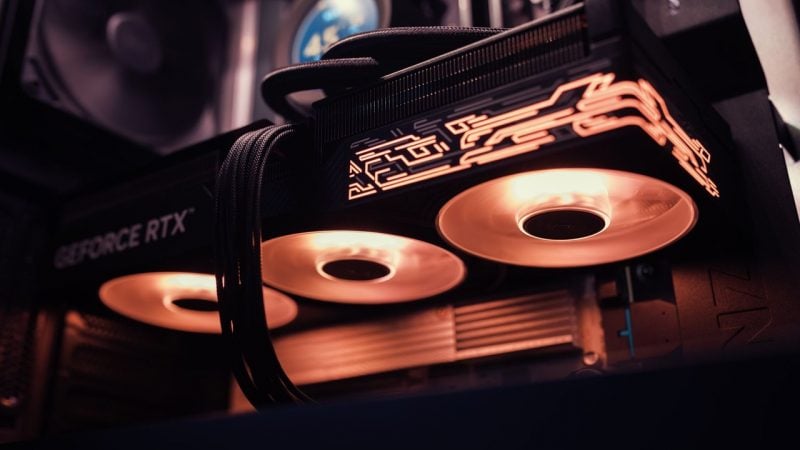
Photo: Matheus Bertelli / Pexels

Huawei unveils Atlas 960 SuperPoD to challenge Nvidia in AI chips

Huawei's new AI computing cluster packs 4,096 Ascend NPUs and targets models approaching 10 trillion parameters, putting direct pressure on Nvidia's dominance in AI infrastructure.

Huawei has never been shy about playing the long game. At HUAWEI CONNECT 2026 in Shanghai on September 17, the company pulled back the curtain on the Atlas 960E SuperPoD, a computing cluster designed to go toe-to-toe with Nvidia in the AI infrastructure market.

What the Atlas 960E actually does

The Atlas 960E fits up to 4,096 of Huawei’s Ascend Neural Processing Units into a single unified memory-addressing scheme, meaning every chip sees the same pool of memory rather than passing data back and forth across slow interconnects.

Performance figures Huawei is claiming are striking. The system delivers 8 EFLOPS for FP8 computations and 16 EFLOPS for FP4, with up to 1 petabyte of High Bandwidth Memory across the full configuration.

Advertisement

Compared to the previous Atlas 950 SuperPoD, Huawei says the 960E delivers between 2.3 and 4 times better performance on training and inference tasks for models approaching 10 trillion parameters.

The Atlas 960E replaces roughly 48,000 conventional 800G optical modules with approximately 5,500 Hi-ONE Near-Packaged Optics units. The new approach cuts power consumption by more than 550 kilowatts per pod. System availability reaches 99.8%, and mean time between failures doubles compared to predecessor models.

The strategic picture behind the hardware

Huawei has also signaled larger ambitions. The company is targeting a single AI computing framework scalable to 256,000 nodes, with SuperCluster configurations eventually exceeding one million NPUs. Larger versions of the Atlas 960 platform are expected to arrive in the fourth quarter of 2027.

The Ascend 960 development program is reportedly running ahead of its original schedule.

What this means for the competitive landscape

Cutting 550 kilowatts of consumption per pod is not a minor footnote. As AI training workloads grow and data center operators face energy constraints, efficiency improvements translate directly into total cost of ownership advantages that can shift procurement decisions even when raw performance is close.

Disclosure: This article was edited by Editorial Team. For more information on how we create and review content, see our Editorial Policy.
Huawei unveils Atlas 960 SuperPoD to challenge Nvidia in AI chips

Huawei's new AI computing cluster packs 4,096 Ascend NPUs and targets models approaching 10 trillion parameters, putting direct pressure on Nvidia's dominance in AI infrastructure.

Photo: Matheus Bertelli / Pexels

Huawei has never been shy about playing the long game. At HUAWEI CONNECT 2026 in Shanghai on September 17, the company pulled back the curtain on the Atlas 960E SuperPoD, a computing cluster designed to go toe-to-toe with Nvidia in the AI infrastructure market.

What the Atlas 960E actually does

The Atlas 960E fits up to 4,096 of Huawei’s Ascend Neural Processing Units into a single unified memory-addressing scheme, meaning every chip sees the same pool of memory rather than passing data back and forth across slow interconnects.

Performance figures Huawei is claiming are striking. The system delivers 8 EFLOPS for FP8 computations and 16 EFLOPS for FP4, with up to 1 petabyte of High Bandwidth Memory across the full configuration.

Advertisement

Compared to the previous Atlas 950 SuperPoD, Huawei says the 960E delivers between 2.3 and 4 times better performance on training and inference tasks for models approaching 10 trillion parameters.

The Atlas 960E replaces roughly 48,000 conventional 800G optical modules with approximately 5,500 Hi-ONE Near-Packaged Optics units. The new approach cuts power consumption by more than 550 kilowatts per pod. System availability reaches 99.8%, and mean time between failures doubles compared to predecessor models.

The strategic picture behind the hardware

Huawei has also signaled larger ambitions. The company is targeting a single AI computing framework scalable to 256,000 nodes, with SuperCluster configurations eventually exceeding one million NPUs. Larger versions of the Atlas 960 platform are expected to arrive in the fourth quarter of 2027.

The Ascend 960 development program is reportedly running ahead of its original schedule.

What this means for the competitive landscape

Cutting 550 kilowatts of consumption per pod is not a minor footnote. As AI training workloads grow and data center operators face energy constraints, efficiency improvements translate directly into total cost of ownership advantages that can shift procurement decisions even when raw performance is close.

Disclosure: This article was edited by Editorial Team. For more information on how we create and review content, see our Editorial Policy.