Initial jobless claims remain steady amid fragile labor market
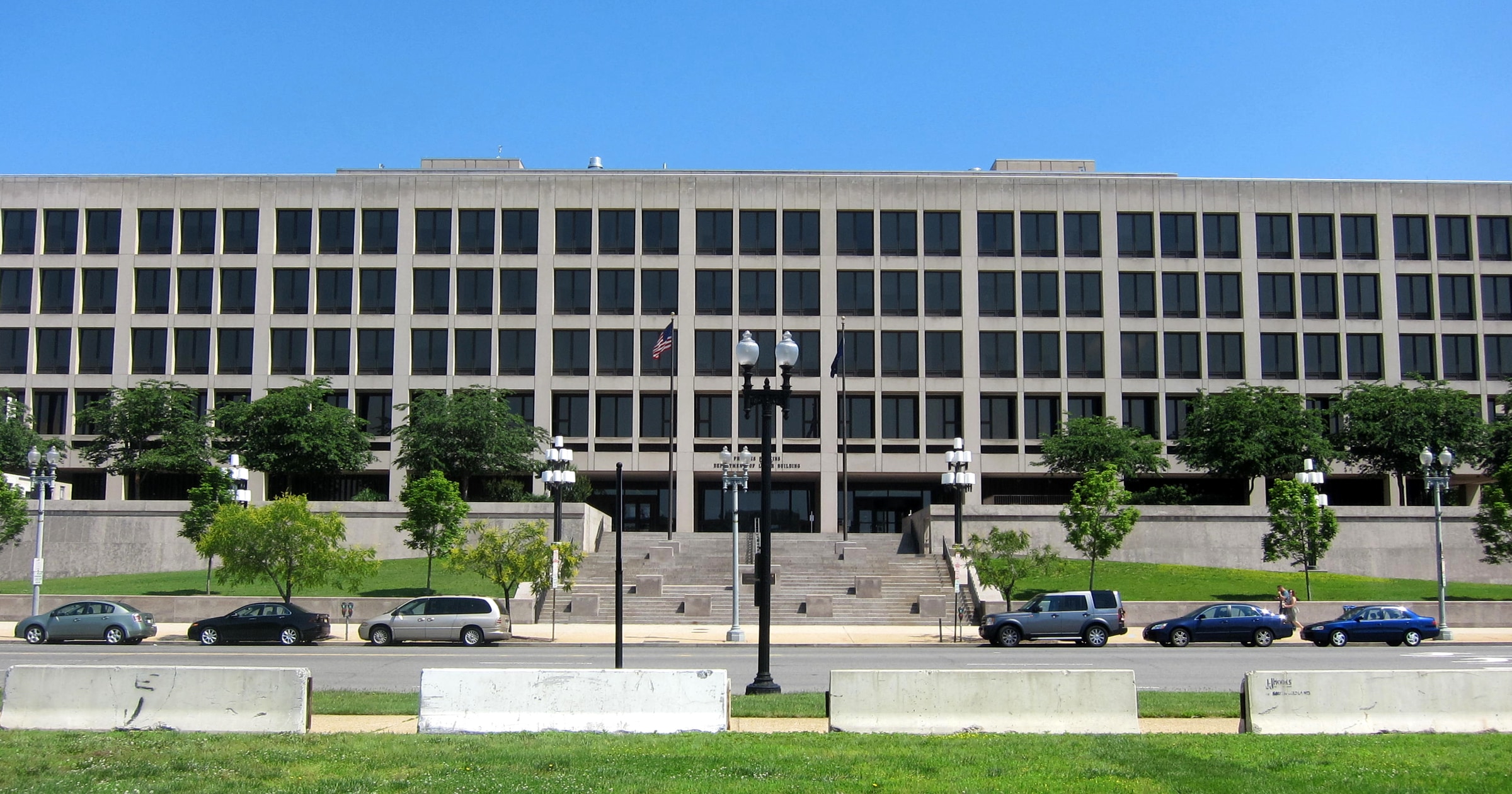
Photo: AgnosticPreachersKid / Wikimedia Commons / CC BY-SA 3.0 (https://creativecommons.org/licenses/by-sa/3.0)
Weekly claims ticked up to 209,000 while the broader employment picture shows cracks that are harder to ignore
Initial jobless claims for the week ending August 8, 2026, came in at 209,000, an increase of 9,000 from the previous week’s revised figure of 200,000, according to the Department of Labor. Claims have bounced around the low-to-mid 200,000 range for most of 2026, generally landing between 189,000 and 230,000. The four-week moving average held steady at 199,000.
The jobs report nobody wanted
The Bureau of Labor Statistics’ July 2026 Employment Situation report delivered a net loss of 23,000 nonfarm payroll jobs. The unemployment rate also climbed to 4.1% in July. Add in downward revisions to employment figures for prior months, and you’ve got a trend that’s harder to dismiss as a one-off blip.
The tension between these two data sets, stable weekly claims and deteriorating monthly employment figures, creates an interpretive puzzle. Weekly claims measure the flow of newly unemployed workers filing for benefits. Monthly payroll data measures the stock of jobs across the economy.
What stable claims actually mean (and don’t mean)
A common mistake is reading low initial claims as proof that the labor market is healthy. It’s more accurate to say low claims mean mass layoffs haven’t arrived yet. Companies can slow hiring, cut hours, and let attrition do its work without triggering a spike in unemployment filings.
The news moving money, markets, and the world—before your day starts.
Daily. Free. Join 34,000+ readers across crypto, finance, and policy.
The 2026 claims range of 189,000 to 230,000 has been remarkably tight. For context, initial claims during the strong labor market of 2022 and 2023 regularly printed in the low 200,000s as well. The difference is that back then, monthly job creation was running at several hundred thousand per month. Now it’s running at negative 23,000.
The Fed’s balancing act
The unemployment rate at 4.1% is worth watching closely in the context of the Sahm Rule, an indicator that flags recession risk when the three-month moving average of unemployment rises 0.5 percentage points above its 12-month low.
Consumer spending, which accounts for roughly two-thirds of US economic output, is the variable that connects labor market health to everything else. Market participants appear to be in wait-and-see mode, with the August employment report likely to determine whether this softening stabilizes or deepens.
Disclosure: This article was edited by Editorial Team. For more information on how we create and review content, see our Editorial Policy.

