
https://quincyinst.org/research/containment-resistance-and-the-mou-the-us-iran-negotiations-in-historical-context/
Iran halts MOU commitments, cites US non-compliance amid negotiation tensions
Iran withdrawal from MOU negotiations
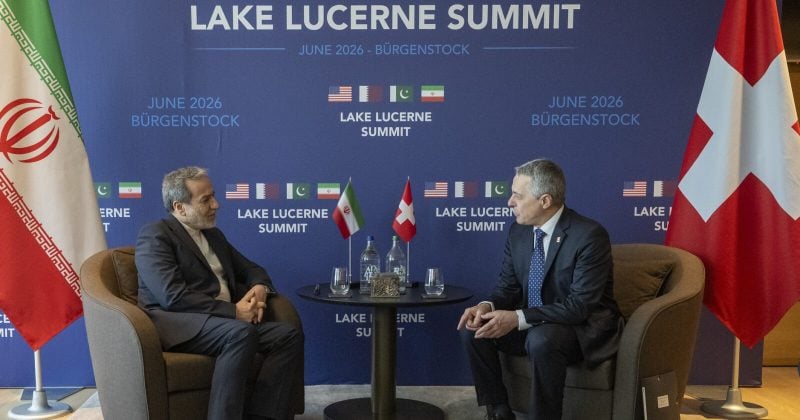
Iran’s Foreign Ministry has declared that it will not uphold its obligations under the Memorandum of Understanding (MOU) with the United States, citing non-compliance by the U.S. as the reason. According to the spokesperson, Iran’s position hinges on reciprocal adherence to the terms of the agreement. This development comes amid ongoing indirect negotiations facilitated by Qatar and Pakistan, following a fragile ceasefire established to end the 2026 Iran conflict. Markets are closely observing these developments, as they could significantly impact the likelihood of Iran formally withdrawing from the MOU negotiations.
The MOU, signed on June 19, 2026, aimed to cease hostilities and lay the groundwork for a comprehensive peace deal following the 2026 Iran war. However, tensions have resurfaced due to Iran’s accusations that the U.S. has imposed new sanctions, violating the agreement’s stipulations. This diplomatic impasse has led to heightened speculation about Iran potentially withdrawing from the negotiations, with market pricing reflecting these uncertainties.
In the prediction market focused on whether Iran will announce a withdrawal from MOU negotiations by July 31, 2026, the probability of a YES outcome is currently priced at 17.5%. This reflects a slight decrease from 18% the previous day but a significant increase from 8% a week ago. The market appears to interpret Iran’s latest stance as consistent with a possible exit from the negotiation process.
Key Takeaways
- Market pricing suggests increased speculation of Iran’s withdrawal from MOU negotiations due to U.S. non-compliance claims.
- The probability of Iran announcing a withdrawal by July 31 is currently priced at 17.5%, up from 8% a week ago.
- Iran’s insistence on mutual compliance appears to be a pivotal factor influencing market expectations.
What to Watch
Developments in U.S.-Iran negotiations will be critical, particularly any official statements from Iranian Foreign Minister Abbas Araghchi or the Foreign Ministry regarding withdrawal. Markets will also be monitoring actions by U.S. President Donald Trump and other key figures that could influence the fragile diplomatic situation. Additionally, any changes in the status of the Strait of Hormuz or new sanctions could further impact the market’s view on potential outcomes.