
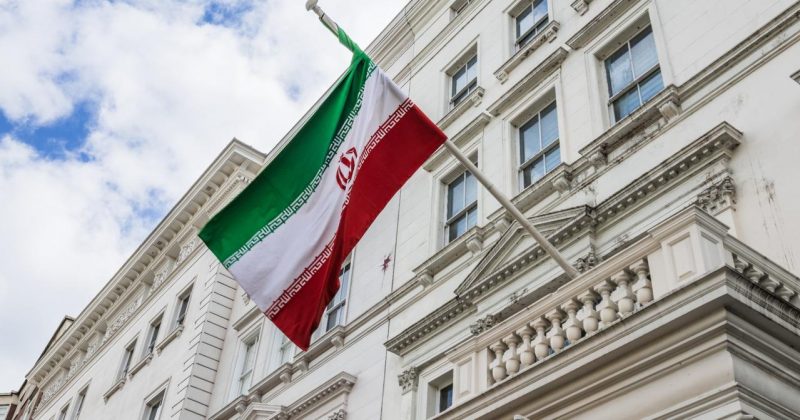
Iran wins IAEA committee seat over US objections, deepening nuclear impasse
Tehran’s election exposes widening divisions at the nuclear watchdog as inspectors remain unable to verify Iran’s uranium stockpile.


Iran secured a seat on the International Atomic Energy Agency’s organizing committee despite US opposition, a diplomatic victory that threatens to make already difficult nuclear negotiations even harder.
The vote came during the IAEA’s general conference in Vienna, where delegates remain deadlocked over nuclear safety and security. The dispute has become a test of whether the agency can reach consensus while Washington and Tehran remain at war.
Middle Eastern countries had earlier appointed Iran to the conference body. The US then sought to block the appointment. Ambassador Preston Wells Griffith III called Iran’s election “an affront” to the IAEA and said it would damage the credibility of an organization charged with addressing nuclear threats.
Iran prevailed after further debate and a secret ballot, with 44 countries supporting its nomination and 35 backing the US position. Forty-two nations abstained.
Behrouz Kamalvandi, deputy head of Iran’s Atomic Energy Organization, accused Washington of childish behavior, including preventing Iran’s top nuclear official from attending the meeting.
Macro, rates, and crypto—what moved markets and what matters next.
Daily. Free. Join 34,000+ readers across crypto, finance, and policy.
He said Iran’s nuclear expertise and industry could not be eliminated through military action or assassinations.
The confrontation reflects a broader political divide inside the watchdog. IAEA inspectors have been unable to verify the condition or location of Iran’s uranium stockpile since Israel and the US attacked the country in June 2025.
A US-led effort this month to refer Tehran to the United Nations Security Council also faced opposition from China and Russia.
Tariq Rauf, a former IAEA verification-policy chief, said the dispute carried over from last year’s meeting, which ended without consensus on key nuclear safety and security activities. The latest vote suggests that political tensions will continue to constrain the agency’s technical work.