
https://aerospaceglobalnews.com/news/iran-air-reimagined-post-regime/
Iranian airliner lands in Yemen as Saudi jets withdraw, escalating tensions
Israel airspace closure
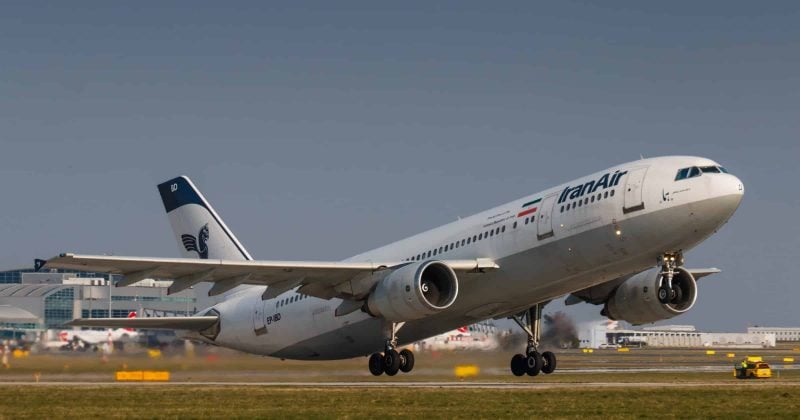
An Iranian airliner has landed in Yemen amidst the withdrawal of Saudi jets, marking a significant development in the ongoing regional tensions. This event suggests a shift in the balance of power in the area, as the Houthis, supported by Iran, demonstrate increased military capabilities. The Iranian flight, reportedly carrying civilians and a Houthi delegation, was protected by Houthi air defenses, indicating a direct confrontation with Saudi forces. This escalation comes as regional tensions remain high, particularly with Israel, which has been engaged in military conflicts involving Iran and its allies.
The landing of the Iranian airliner in Yemen suggests a further cementing of Iran’s influence in the region, potentially challenging Saudi Arabia’s previous dominance. This development is part of the broader Iran–Saudi proxy struggle, which has seen various confrontations and proxy battles across the Middle East. The situation also raises concerns for Israel, which may face increased threats from Iranian-backed forces, potentially leading to considerations of airspace closure as a security measure.
Market activity reflects these heightened tensions, with slight movements in the probability of Israel closing its airspace by July 31. The current pricing indicates a 6.5% likelihood of this scenario, slightly up from the previous day’s 6%. However, the overall trend over the past week suggests declining confidence in an immediate airspace closure, as the probability has decreased from 12% a week ago.
Key Takeaways
- Iranian airliner landing in Yemen appears to indicate a shift in regional power dynamics, with implications for Saudi Arabia and Israel.
- Market pricing suggests a slight increase in the perceived likelihood of Israel closing its airspace, consistent with regional escalation.
- The situation may lead to further geopolitical developments, affecting market expectations and regional security measures.
What to Watch
Observers should monitor any official statements from Israeli security officials regarding potential airspace closures. Developments involving Houthi military actions or further Iranian involvement could be key indicators for changes in market pricing. Additionally, any significant military actions by Israel, particularly in response to perceived threats from Iran or its allies, could influence the likelihood of airspace restrictions.