
Iranian oil exports surge as US lifts naval blockade

https://www.reuters.com/business/energy/us-naval-blockade-squeezes-irans-oil-exports-forces-crude-onto-floating-storage-2026-04-30/

Iranian oil exports surge as US lifts naval blockade

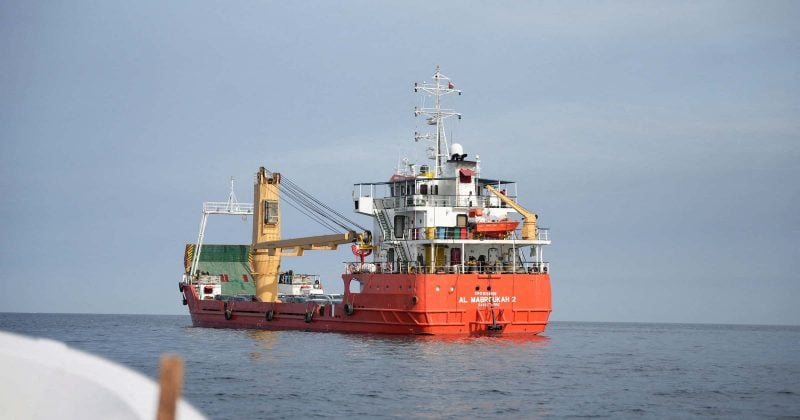
Strait of Hormuz normal traffic

Iranian crude oil exports have reportedly surged following the lifting of a US naval blockade on its ports, marking a significant shift in regional maritime activity. The blockade, part of the ongoing U.S.–Iran conflict that has affected the Strait of Hormuz, was recently removed as part of a de-escalation agreement. This development coincides with a decline in visible maritime traffic from neighboring countries, according to reports. The blockade had previously led to a sharp reduction in Iranian crude exports, which had reached their lowest level in six years before the recent increase.

Advertisement

Key Takeaways

  • The surge in Iranian oil exports suggests the resumption of activity post-blockade, consistent with scenarios of increased traffic through the Strait of Hormuz.
  • Market pricing indicates a decreased likelihood of crude oil reaching new all-time highs, as increased Iranian exports could enhance global supply.
  • Observers note that while tensions have eased, the broader geopolitical dynamics in the region remain complex and could affect future developments.

What to Watch

Observers should monitor diplomatic developments between the U.S. and Iran, which could further influence maritime traffic and oil exports. The normalization of traffic through the Strait of Hormuz by the end of June remains uncertain, with pricing suggesting scenarios supportive of a gradual return to normalcy. Additionally, shifts in oil market dynamics, such as OPEC’s production decisions, could impact crude oil pricing trends in the coming months.

Get prediction market intelligence as a structured API feed. Early access waitlist.

Disclosure: This article was edited by Estefano Gomez. For more information on how we create and review content, see our Editorial Policy.

Iranian oil exports surge as US lifts naval blockade

Iranian oil exports surge as US lifts naval blockade

Strait of Hormuz normal traffic

https://www.reuters.com/business/energy/us-naval-blockade-squeezes-irans-oil-exports-forces-crude-onto-floating-storage-2026-04-30/

Iranian crude oil exports have reportedly surged following the lifting of a US naval blockade on its ports, marking a significant shift in regional maritime activity. The blockade, part of the ongoing U.S.–Iran conflict that has affected the Strait of Hormuz, was recently removed as part of a de-escalation agreement. This development coincides with a decline in visible maritime traffic from neighboring countries, according to reports. The blockade had previously led to a sharp reduction in Iranian crude exports, which had reached their lowest level in six years before the recent increase.

Advertisement

Key Takeaways

  • The surge in Iranian oil exports suggests the resumption of activity post-blockade, consistent with scenarios of increased traffic through the Strait of Hormuz.
  • Market pricing indicates a decreased likelihood of crude oil reaching new all-time highs, as increased Iranian exports could enhance global supply.
  • Observers note that while tensions have eased, the broader geopolitical dynamics in the region remain complex and could affect future developments.

What to Watch

Observers should monitor diplomatic developments between the U.S. and Iran, which could further influence maritime traffic and oil exports. The normalization of traffic through the Strait of Hormuz by the end of June remains uncertain, with pricing suggesting scenarios supportive of a gradual return to normalcy. Additionally, shifts in oil market dynamics, such as OPEC’s production decisions, could impact crude oil pricing trends in the coming months.

Get prediction market intelligence as a structured API feed. Early access waitlist.

Disclosure: This article was edited by Estefano Gomez. For more information on how we create and review content, see our Editorial Policy.