
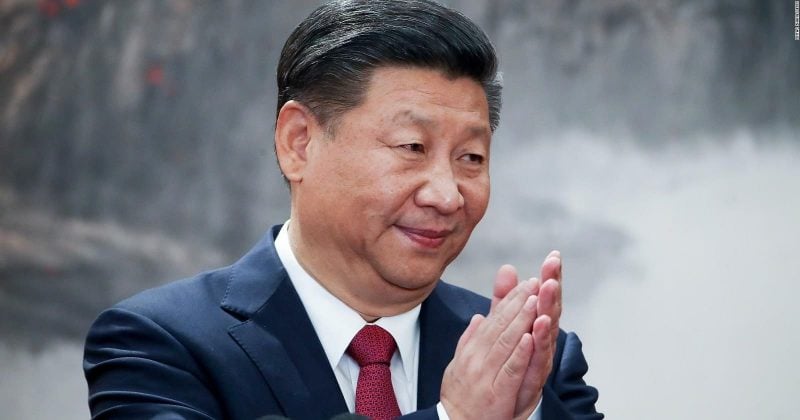
Norway urges China to mediate Russia-Ukraine peace talks amid stalemate

https://wallpapercave.com/xi-jinping-wallpapers

Norway urges China to mediate Russia-Ukraine peace talks amid stalemate

Russia-Ukraine ceasefire agreement

Norway has appealed to China to use its influence to encourage Russia to engage in peace talks with Ukraine. This request comes amid a prolonged stalemate in negotiations, with the ongoing conflict dating back to Russia’s invasion of Ukraine in February 2022. Norway’s outreach highlights China’s significant role as a supporter of Russia, particularly through economic and technological means. The call for China’s involvement is seen as a strategic move to potentially unlock the deadlock in peace negotiations that have stalled since early 2025. Markets appear to view Norway’s plea as an indication that there could be a shift in diplomatic dynamics, which may impact the likelihood of a ceasefire agreement by the end of 2026.

Advertisement

Key Takeaways

  • Norway’s request suggests increased diplomatic efforts, potentially raising the odds of a Russia-Ukraine ceasefire agreement.
  • Market pricing indicates a slight increase in confidence for a December 2026 ceasefire, now at 39.5% YES, up from 38% a day ago.
  • China’s involvement is seen as crucial, reflecting its influence on Russia’s position in the ongoing conflict.

What to Watch

Observers will be keen to see if China responds to Norway’s request and whether this leads to any tangible steps towards peace talks. The response from Russia and Ukraine to any potential Chinese mediation will be crucial in determining the trajectory of the negotiations. Changes in market pricing could occur if significant diplomatic actions are taken, such as announcements of new mediation efforts or shifts in China’s support for Russia.

Get prediction market intelligence as a structured API feed. Early access waitlist.

Disclosure: This article was edited by Estefano Gomez. For more information on how we create and review content, see our Editorial Policy.

Norway urges China to mediate Russia-Ukraine peace talks amid stalemate

Norway urges China to mediate Russia-Ukraine peace talks amid stalemate

Russia-Ukraine ceasefire agreement

https://wallpapercave.com/xi-jinping-wallpapers

Norway has appealed to China to use its influence to encourage Russia to engage in peace talks with Ukraine. This request comes amid a prolonged stalemate in negotiations, with the ongoing conflict dating back to Russia’s invasion of Ukraine in February 2022. Norway’s outreach highlights China’s significant role as a supporter of Russia, particularly through economic and technological means. The call for China’s involvement is seen as a strategic move to potentially unlock the deadlock in peace negotiations that have stalled since early 2025. Markets appear to view Norway’s plea as an indication that there could be a shift in diplomatic dynamics, which may impact the likelihood of a ceasefire agreement by the end of 2026.

Advertisement

Key Takeaways

  • Norway’s request suggests increased diplomatic efforts, potentially raising the odds of a Russia-Ukraine ceasefire agreement.
  • Market pricing indicates a slight increase in confidence for a December 2026 ceasefire, now at 39.5% YES, up from 38% a day ago.
  • China’s involvement is seen as crucial, reflecting its influence on Russia’s position in the ongoing conflict.

What to Watch

Observers will be keen to see if China responds to Norway’s request and whether this leads to any tangible steps towards peace talks. The response from Russia and Ukraine to any potential Chinese mediation will be crucial in determining the trajectory of the negotiations. Changes in market pricing could occur if significant diplomatic actions are taken, such as announcements of new mediation efforts or shifts in China’s support for Russia.

Get prediction market intelligence as a structured API feed. Early access waitlist.

Disclosure: This article was edited by Estefano Gomez. For more information on how we create and review content, see our Editorial Policy.