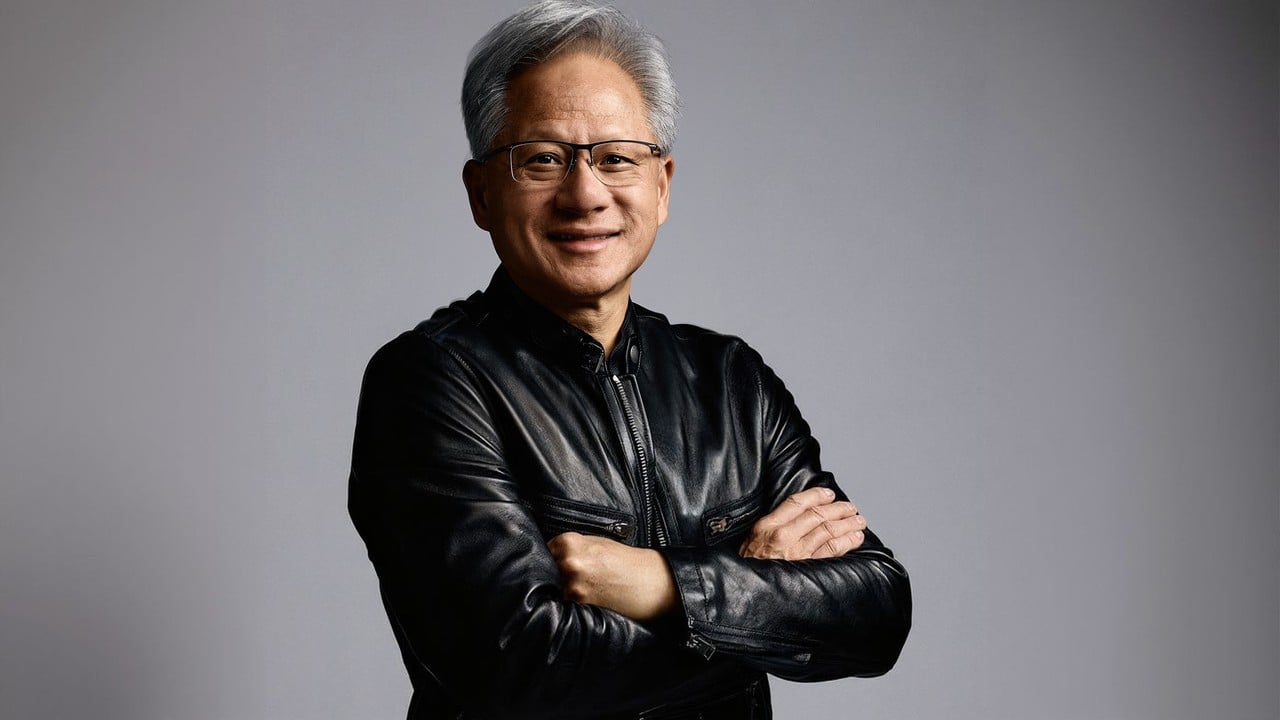
Nvidia CEO Jensen Huang calls US chip restrictions on China a mistake
NVIDIA official newsroom (nvidianews.nvidia.com/bios/jensen-huang)
Huang says export controls cost Nvidia billions, shrank its China share, and handed momentum to rivals like Huawei
Jensen Huang has a complaint about Washington’s China policy, and it comes with numbers attached.
The Nvidia CEO called US restrictions on advanced chip sales to China a strategic mistake. He argued that the rules have cost his company billions and weakened its hold on one of the world’s largest technology markets.
What Huang said, and what it cost
In an interview, Huang said US export controls helped push Nvidia’s share of the Chinese market from around 95% down to about 50%.
The financial damage shows up in Nvidia’s own reporting. China accounted for only 9% of the company’s fiscal 2026 revenue, a sharp decline from earlier years.
The restrictions have also produced direct charges on the books. Nvidia recorded a $4.5 billion charge tied to its H20 chips, plus a $0.4 billion charge related to H200 inventory commitments.
Huang’s broader argument goes beyond Nvidia’s income statement. In his view, the controls didn’t slow China’s progress in semiconductors and AI. They sped it up.
He pointed to Huawei as the clearest beneficiary. Huang said Chinese competitors have become more aggressive, and that Huawei had a notable year of growth as American chips became harder to get.
The crypto and markets news you actually need—every morning.
Daily. Free. Join 34,000+ readers across crypto, finance, and policy.
A familiar argument from Huang
This is not a new position for the Nvidia chief. He has been making a version of this case for some time.
During a speech at Computex in May 2025, Huang described US AI diffusion rules as a “failure.” Those rules govern how advanced AI technology can spread to other countries.
He has kept returning to the same theme. Export controls, in his telling, catalyzed China’s homegrown chip and AI efforts instead of containing them.
The policy itself has a bipartisan history. US chip export controls began with initial measures during the Trump era and were significantly tightened under the Biden administration.
Huang has been careful not to argue that the US should give up its technological edge. He has maintained that the US should keep its leadership in cutting-edge technologies while still engaging with the Chinese market.
What this means for Nvidia and the chip race
For investors, the most concrete takeaway is that China has shrunk into a much smaller slice of Nvidia’s story. At 9% of fiscal 2026 revenue, the market is meaningful but no longer the giant it once was for the company.
For Washington, Huang’s comments sharpen a debate that has run through two administrations. The goal of export controls is to slow a strategic rival’s access to advanced technology. The question is whether they are achieving that, or simply redirecting demand toward Chinese suppliers.
Huang is clearly an interested party here. Nvidia benefits directly from looser rules, and his critique should be read with that in mind. But his data points, including a drop from around 95% to about 50% share, give his argument more weight than a standard corporate complaint.
Disclosure: This article was edited by John Chen. For more information on how we create and review content, see our Editorial Policy.

