
OpenAI’s GPT-5.6 achieves inference breakthrough powered by Cerebras wafer-scale compute
The Sol flagship model targets 750 tokens per second, with Cerebras hardware potentially outpacing conventional GPU clusters by up to 15x
OpenAI previewed its GPT-5.6 model family on June 26, 2026, and the most interesting part of the announcement had nothing to do with benchmark scores. It was the hardware sitting underneath the model.
The flagship variant, called Sol, is being deployed in partnership with Cerebras Systems, targeting throughput of up to 750 tokens per second starting in July 2026.
What Cerebras actually does differently
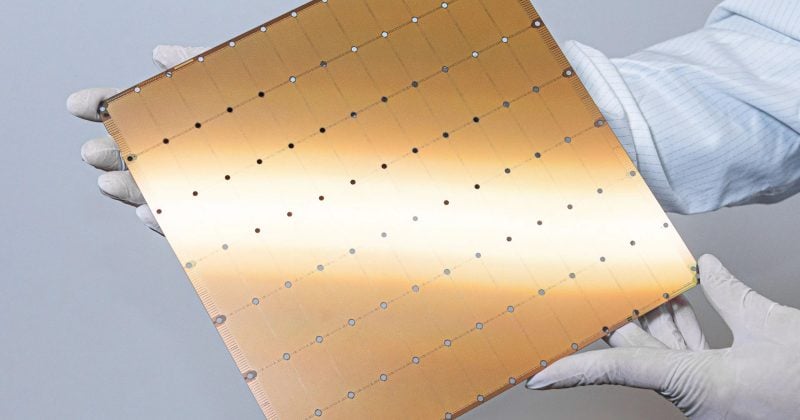
Cerebras puts everything on a single silicon wafer, keeping compute and memory integrated so the chip does not have to ask another chip for the data it needs. That integration is what allows Cerebras to minimize the latency bottlenecks that plague conventional GPU setups during large model inference.
OpenAI and Cerebras formalized a multi-year agreement in January 2026 to deploy 750 megawatts of wafer-scale compute capacity dedicated specifically to low-latency inference tasks.
Early analysis projects that Cerebras’ architecture could deliver performance improvements of up to 15 times compared to conventional GPU clusters.
AI, tech, and the markets they move—in one daily briefing.
Daily. Free. Join 34,000+ readers across crypto, finance, and policy.
The GPT-5.6 model family
GPT-5.6 ships as a three-model family. Sol is the flagship, built for maximum capability and the primary target of the Cerebras deployment. Terra is the cost-efficient variant. Luna rounds out the lineup as the speed-optimized option.
GPT-5.6 follows GPT-5.5, which OpenAI released on April 23, 2026. That prior model also targeted agentic benchmark improvements and inference efficiency.
The regulatory overhang
The public release of Sol is pending review by U.S. government agencies, and approvals during the preview period will be handled on a case-by-case basis.