Battery maker Our Next Energy reportedly eyeing public markets via Wen Acquisition SPAC
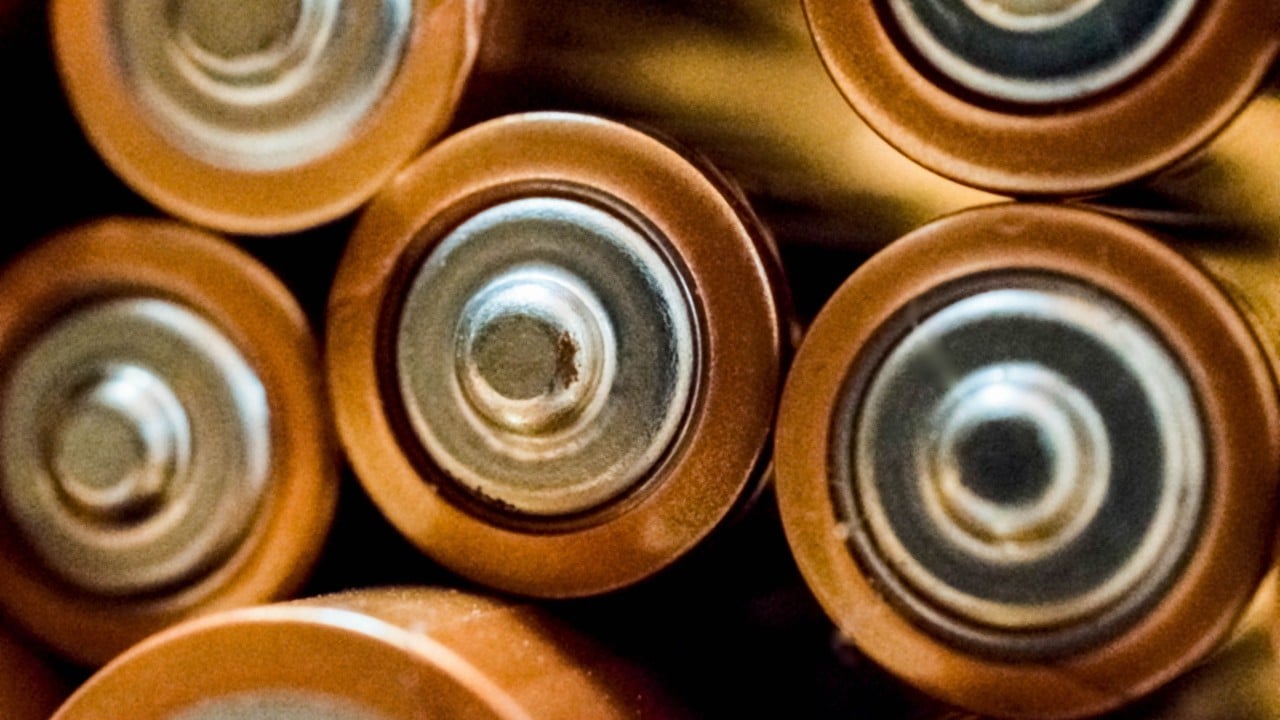
Photo: Hilary Halliwell / Pexels
The Michigan LFP battery startup is pursuing a listing through a blank-check company that originally pitched investors on digital asset infrastructure
Our Next Energy, the Michigan battery startup better known lately for its setbacks than its sales, is heading for the public markets. According to TechCrunch, the company is going public by merging with Wen Acquisition Corp, a special purpose acquisition company.
A SPAC is a shell company that raises cash in an IPO first and finds a business to buy later.
Wen Acquisition Corp, which trades under the ticker WENN, is incorporated in the Cayman Islands. It completed a $300 million IPO in May 2025, selling 30.015 million units at $10 each.
As of mid-2026, Wen held approximately $313 million in its trust account. That pool of capital is what a target company like ONE would gain access to, minus any shareholder redemptions.
The SPAC faces a business combination deadline of May 19, 2027.
One caveat matters for anyone tracking the deal closely. Research reviewing public records and filings did not turn up a definitive merger agreement between ONE and Wen, and ONE has remained a private company with no completed de-SPAC transaction on record.
Until a formal agreement and the related SEC paperwork appear, the terms remain unknown. That includes valuation, how much of the trust survives redemptions, and what ownership looks like after closing.
From EV ambitions to rail, defense and the grid
ONE was founded in 2020 and is based in Novi, Michigan. It makes lithium iron phosphate batteries, a chemistry known by the shorthand LFP.
LFP cells skip pricier materials like nickel and cobalt. The tradeoff is typically lower energy density in exchange for lower cost and better thermal stability, which makes them a fit for applications where weight matters less than reliability.
The news moving money, markets, and the world—before your day starts.
Daily. Free. Join 34,000+ readers across crypto, finance, and policy.
That profile has shaped ONE’s strategy. The company began with automotive ambitions but has since pivoted toward rail, defense and grid-scale energy storage.
The pivot was not entirely voluntary. ONE suffered a failed Series C funding effort, cut staff and went through leadership changes.
Founder Mujeeb Ijaz returned as CEO in March 2025.
The company has also scaled back its factory plans. Its order book has been thin, but it did land a $35 million purchase order in early 2026.
ONE is aiming to reach breakeven by the end of 2026.
Background: a tough neighborhood
TechCrunch framed the story against a grim backdrop. Over the past 20 years, battery startups have racked up more failures than successes.
Shifting federal policy has made the terrain worse. Subsidies, tax credits and trade rules have swung back and forth, and several battery companies have closed their doors as a result.
What this means
The most interesting wrinkle is the mismatch between buyer and target. Wen’s stated focus was infrastructure opportunities in fintech, particularly digital asset enablement.
A battery maker selling into rail and defense is a long way from crypto infrastructure. SPAC charters usually give sponsors room to look beyond their pitched sector, and a pairing like this suggests Wen is prioritizing a deal it can close over a deal that matches its original thesis.
For investors who bought WENN units expecting exposure to digital asset plumbing, that is a material change in what they own. Those shareholders will typically get the chance to redeem their shares for a pro-rata slice of the trust if they do not like the target, and the redemption rate will say a lot about how the market views ONE.
The things to watch are concrete. First, a signed merger agreement and the accompanying SEC filings, which would reveal valuation and deal structure. Second, how many Wen shareholders choose to redeem. Third, whether ONE can convert its new market focus into a steadier stream of contracts before the May 19, 2027 deadline forces the issue.
Disclosure: This article was edited by Vivian Nguyen. For more information on how we create and review content, see our Editorial Policy.

