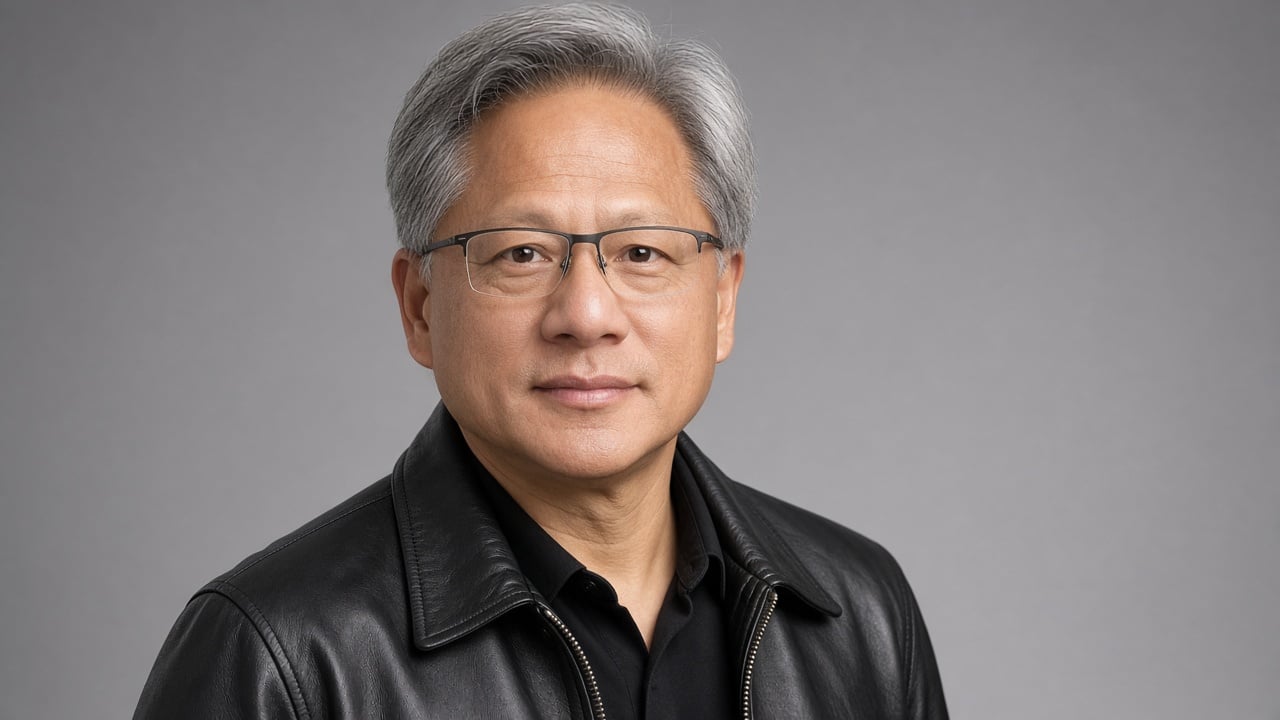
Palmer Luckey defends Jensen Huang, says China wants Nvidia’s CEO gone
The Anduril founder framed reported scrutiny of Nvidia's chief as a geopolitical fight, not just a governance question
Palmer Luckey has picked a side in the reported scrutiny surrounding Nvidia CEO Jensen Huang. His reasoning fits in a single sentence.
On November 12, 2026, the founder of defense technology company Anduril came out publicly in support of Huang. His argument: China does not want its companies leaning on Nvidia chips, so Huang staying put is a feature, not a bug.
“China wants Jensen out, so I want him in.”
What Luckey is responding to
Luckey’s comments arrived amid reports of an internal investigation examining Huang’s personal conduct. The inquiry reportedly touches on potential national security issues tied to an alleged relationship with Alice Huang, a former executive at Megaspeed.
US officials have linked Alice Huang to efforts that may facilitate chip access for Chinese entities. The research findings describe her as suspected of connections to Chinese intelligence, a claim that remains an allegation rather than an established fact.
The investigation into Huang’s relationships began in November 2026. Nvidia, for its part, has said it found no evidence that national security was compromised.
Luckey’s core point is about dependency. He contends that China wants its domestic companies to avoid relying on Nvidia hardware as part of a broader push to reduce reliance on American technology.
Markets did not love the uncertainty
Nvidia shares reportedly declined several percent in early trading sessions after news of the inquiry surfaced.
The crypto and markets news you actually need—every morning.
Daily. Free. Join 34,000+ readers across crypto, finance, and policy.
The episode also lands in the middle of a long-running policy fight. US export restrictions on advanced Nvidia chips to China have tightened over the past few years, narrowing what the company can sell into one of the world’s largest tech markets.
Huang has occupied an awkward middle position in that debate. He has advocated for limited sales to vetted Chinese customers while working within the export restrictions Washington has imposed.
Why a defense founder is weighing in
Luckey is not a random commentator here. Anduril is focused on autonomous defense systems and has ties to Taiwan, which places its founder squarely inside the US-China technology rivalry.
Luckey is framing the questions around Nvidia less as a boardroom matter and more as a front in a wider contest over who controls critical technology.
What this means for Nvidia and its stakeholders
Nvidia’s statement that it found no evidence of compromised national security is the key counterweight. If that finding holds, the episode may fade into a stretch of headline-driven volatility rather than a lasting shift.
Luckey’s intervention effectively ties Huang’s job security to US strategic interests. That framing cuts both ways, though, raising the question of whether national security concerns should be weighed separately from who in Beijing might cheer a particular result.
Export controls on advanced chips have only moved in one direction over the past few years, and an investigation touching on alleged chip access for Chinese entities may add pressure for even tighter rules. For Nvidia, that would mean an even smaller window for the vetted China sales Huang has supported.
Disclosure: This article was edited by John Chen. For more information on how we create and review content, see our Editorial Policy.

