
Pentagon requests $67B in emergency funding as missile stockpile crisis forces massive replenishment push

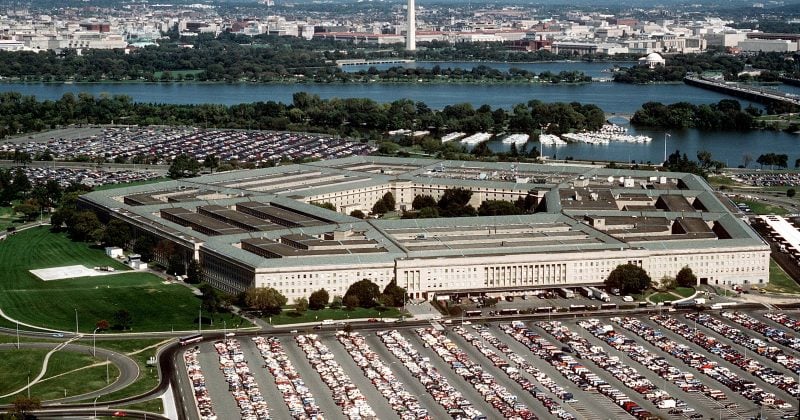
Photo: Hammond, Ken/Master Sgt. / en.wikipedia.org

Pentagon requests $67B in emergency funding as missile stockpile crisis forces massive replenishment push

The supplemental budget request includes $18.2 billion for Patriot missile replacements and signals a new era of defense spending that could ripple across financial markets.

The Department of Defense submitted a $67 billion emergency funding request to Congress, with the centerpiece being $18.2 billion to replace and upgrade Patriot missile systems depleted by ongoing operations against Iran.

What’s in the request

The supplemental request was submitted around June 24 through the Office of Management and Budget, and sits within a broader $87.6 billion White House ask. The Pentagon’s $67 billion slice covers the defense-specific needs, with munitions broadly accounting for $21 billion in separate line items.

Advertisement

The operational costs of the Iran conflict have already hit an estimated $37.5 billion. That number has been climbing fast enough to trigger urgent congressional hearings in July, where defense officials warned of potential shortfalls in personnel, classified programs, and readiness resources if funding doesn’t arrive by August.

This emergency request arrives alongside a proposed FY2027 base defense budget of $1.5 trillion.

The macro picture for markets

The defense industrial base is the more obvious beneficiary here. Raytheon, the primary contractor behind the Patriot system, and its competitors in the guided munitions space are positioned at the front of a very long line of potential contracts.

Why this matters beyond defense

The $37.5 billion already spent on Iran operations represents a pace of expenditure that few budget models anticipated. Defense contractors don’t just snap their fingers and produce thousands of new missile interceptors. Ramping up production requires skilled labor, raw materials, and time.

The July hearings emphasized urgency, with officials flagging potential readiness gaps as soon as August if the supplemental funding stalls.

Disclosure: This article was edited by Editorial Team. For more information on how we create and review content, see our Editorial Policy.

Pentagon requests $67B in emergency funding as missile stockpile crisis forces massive replenishment push

Pentagon requests $67B in emergency funding as missile stockpile crisis forces massive replenishment push

The supplemental budget request includes $18.2 billion for Patriot missile replacements and signals a new era of defense spending that could ripple across financial markets.

Photo: Hammond, Ken/Master Sgt. / en.wikipedia.org

The Department of Defense submitted a $67 billion emergency funding request to Congress, with the centerpiece being $18.2 billion to replace and upgrade Patriot missile systems depleted by ongoing operations against Iran.

What’s in the request

The supplemental request was submitted around June 24 through the Office of Management and Budget, and sits within a broader $87.6 billion White House ask. The Pentagon’s $67 billion slice covers the defense-specific needs, with munitions broadly accounting for $21 billion in separate line items.

Advertisement

The operational costs of the Iran conflict have already hit an estimated $37.5 billion. That number has been climbing fast enough to trigger urgent congressional hearings in July, where defense officials warned of potential shortfalls in personnel, classified programs, and readiness resources if funding doesn’t arrive by August.

This emergency request arrives alongside a proposed FY2027 base defense budget of $1.5 trillion.

The macro picture for markets

The defense industrial base is the more obvious beneficiary here. Raytheon, the primary contractor behind the Patriot system, and its competitors in the guided munitions space are positioned at the front of a very long line of potential contracts.

Why this matters beyond defense

The $37.5 billion already spent on Iran operations represents a pace of expenditure that few budget models anticipated. Defense contractors don’t just snap their fingers and produce thousands of new missile interceptors. Ramping up production requires skilled labor, raw materials, and time.

The July hearings emphasized urgency, with officials flagging potential readiness gaps as soon as August if the supplemental funding stalls.

Disclosure: This article was edited by Editorial Team. For more information on how we create and review content, see our Editorial Policy.